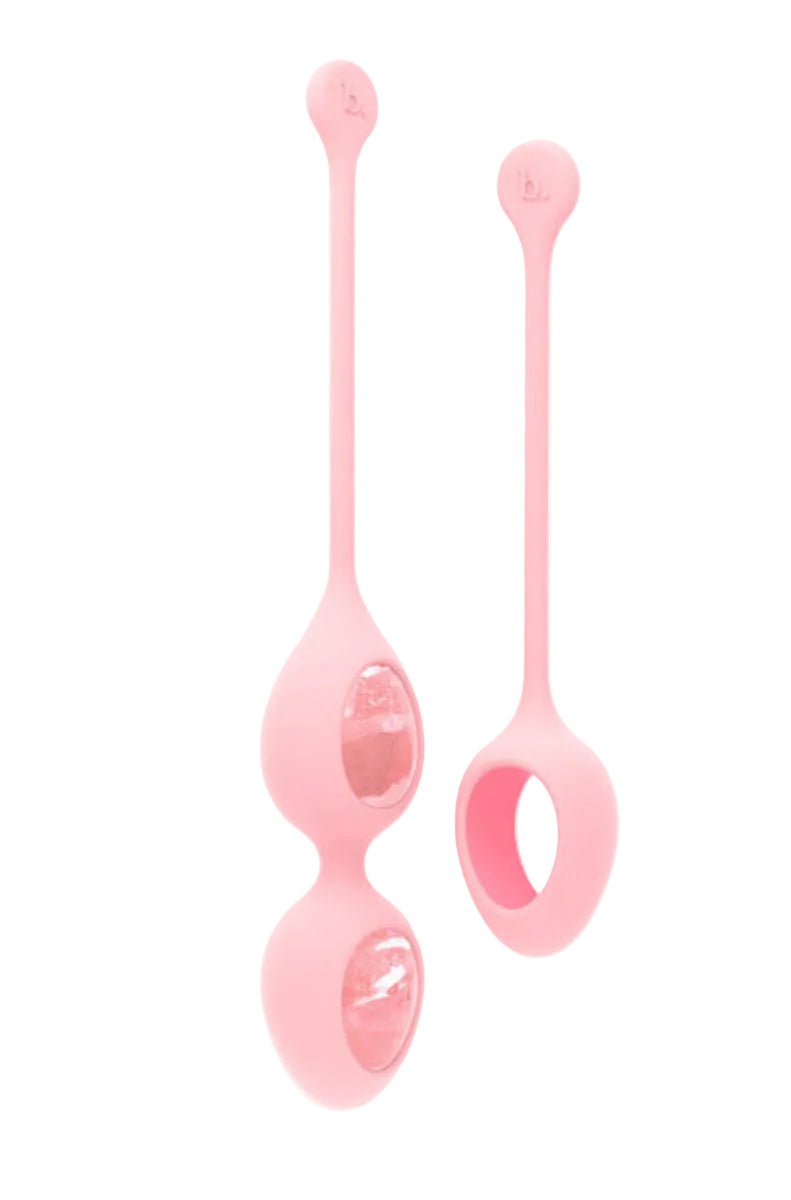
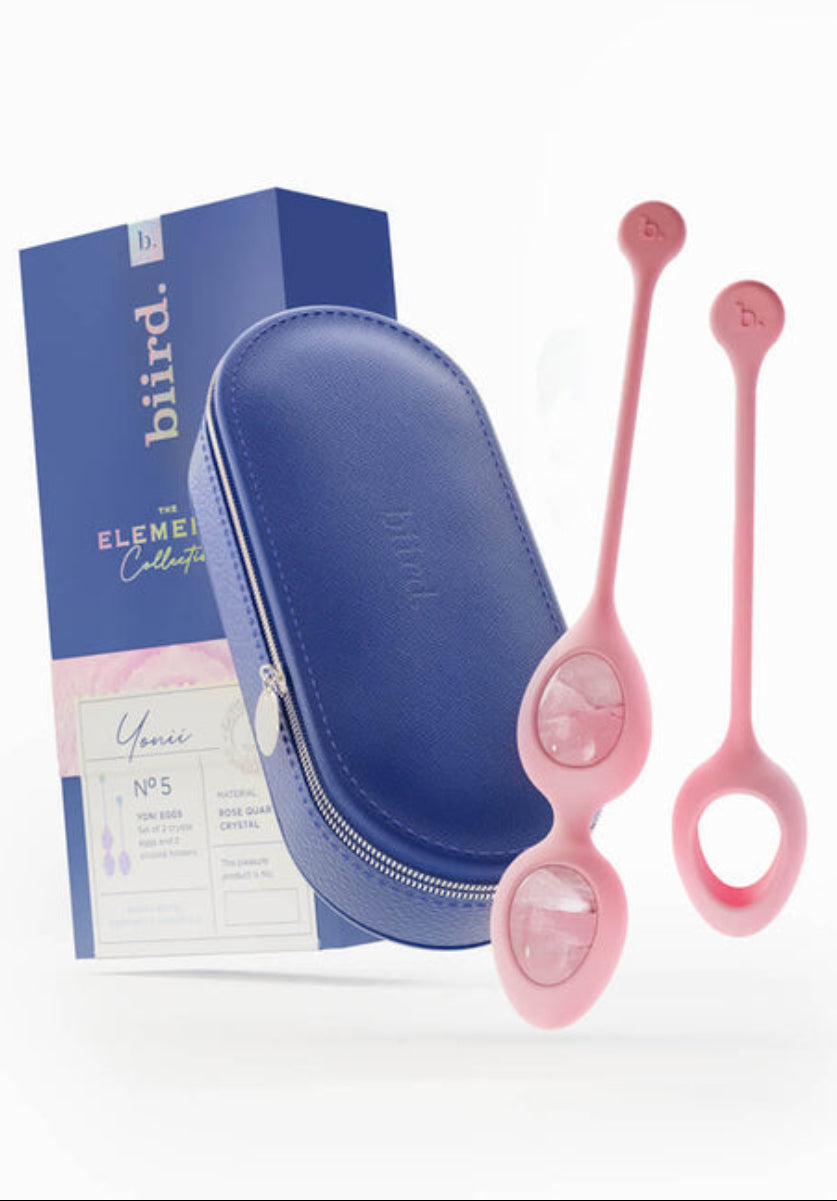
Kegel Balls and Dilators

Kegel balls and vaginal dilators are pelvic floor tools, not novelties. Weighted and vibrating trainers build strength, and graduated dilator sets let you work back to comfortable penetration at your own pace, in medical grade silicone throughout.

Recently viewed

What is a kegel ball?

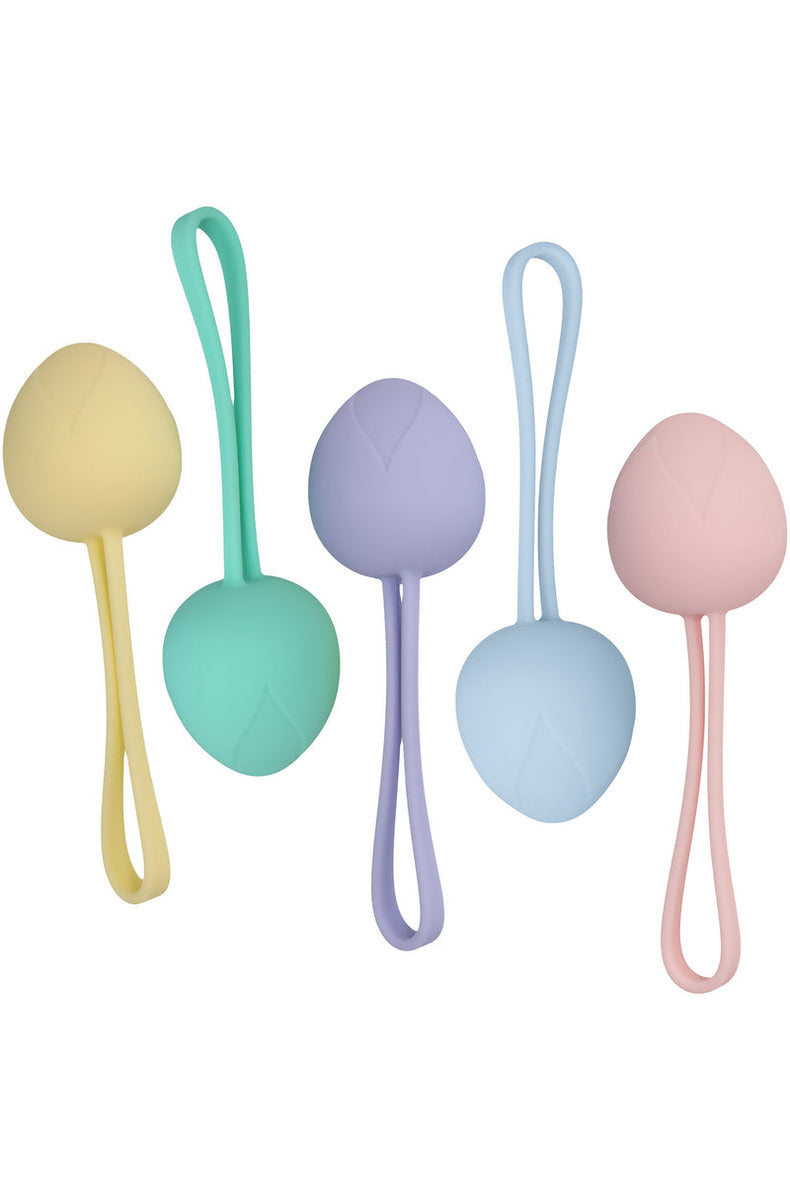
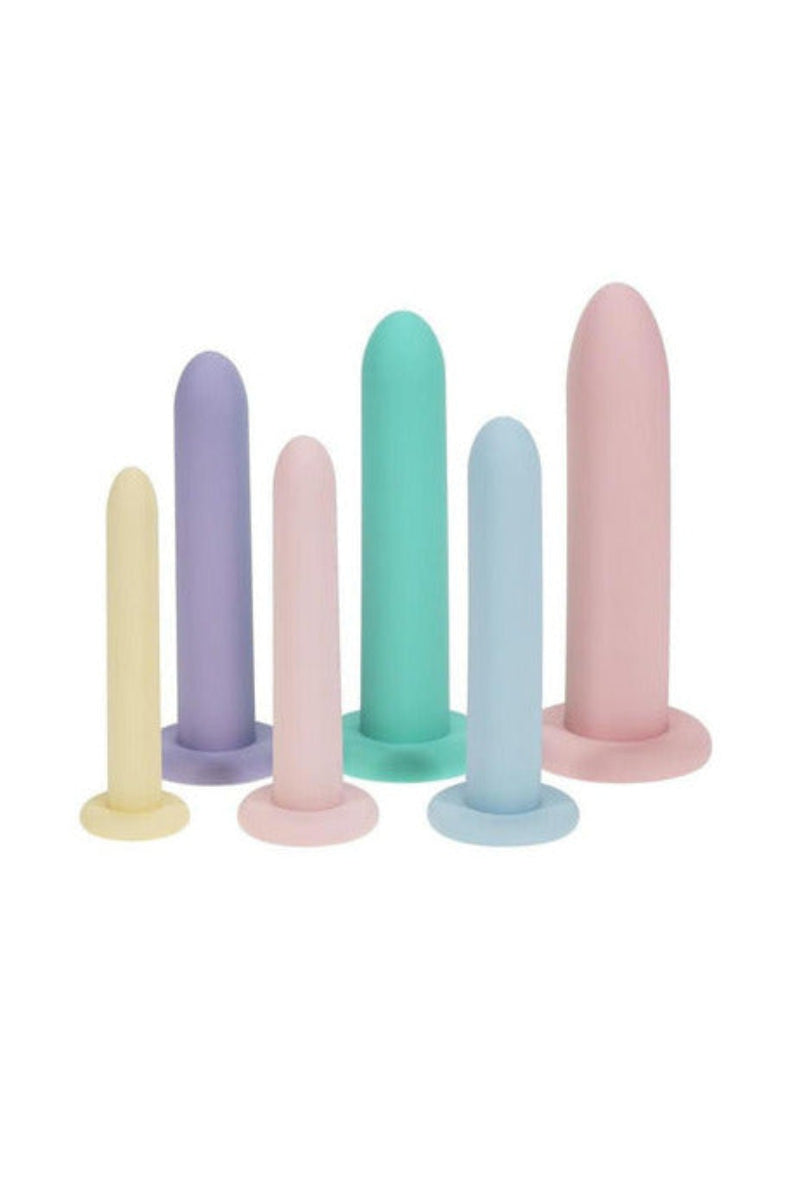
A kegel ball is a weighted or vibrating insert used to train the pelvic floor, the sling of muscle that supports the bladder, bowel and uterus. A vaginal dilator is a smooth insert used in graduated sizes to work back to comfortable penetration after pain, surgery, childbirth or a long gap. They share a page because they are recommended by the same people, usually a doctor or a pelvic floor physical therapist.

Pelvic floor training is strength training, which means consistency beats intensity every time. A few minutes most days does more than a long session once a week, and the heaviest ball in the set is not the goal. Starting too heavy is the most common mistake, because the muscle compensates by recruiting the wrong ones.

The part that surprises people: a tight pelvic floor and a weak one produce similar symptoms, and kegels make a tight one worse. If penetration hurts, if you are leaking, and if you already clench all day without thinking about it, more kegels may be exactly the wrong direction. That is the situation dilators and a pelvic floor PT are for. An exam is the only way to tell which one you have.

Types of kegel balls and dilators

Two tools with different jobs, in a handful of shapes.

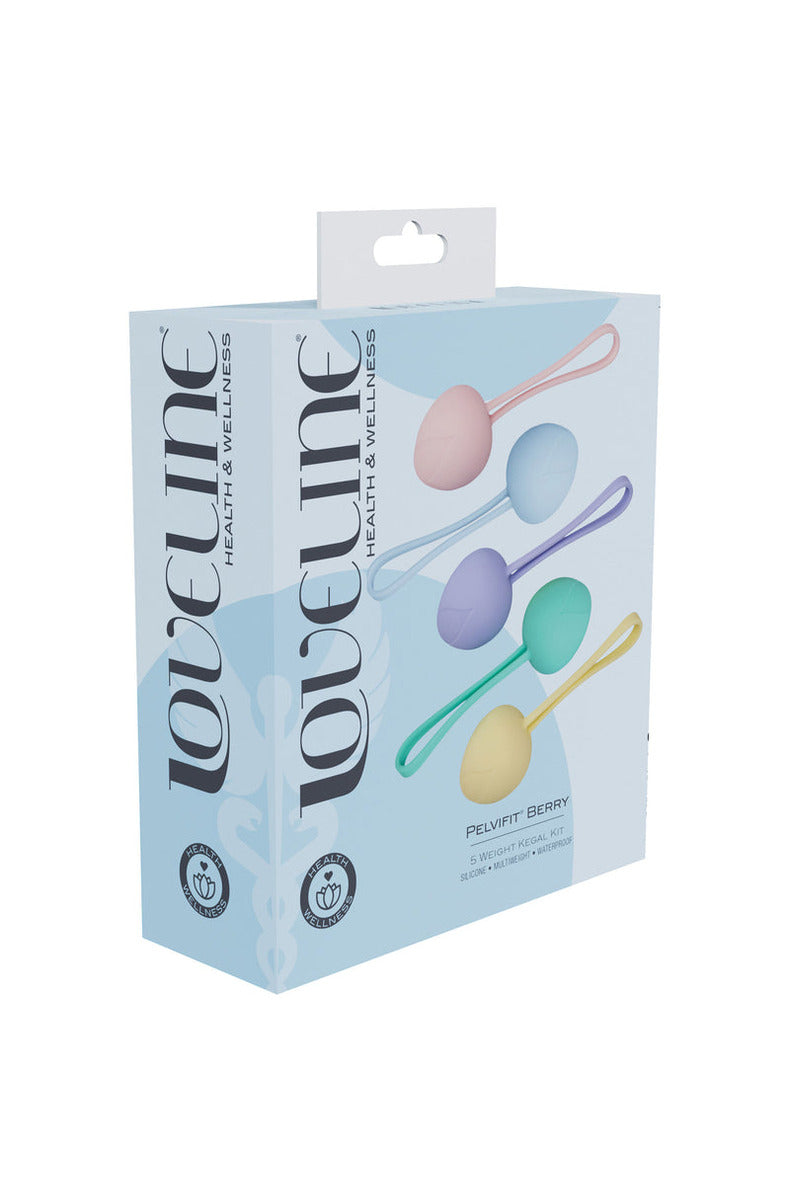
  • Weighted kegel balls: a kit of graduated weights you work up through over weeks. Progress is measured in how long you can hold one, not in how heavy you get.
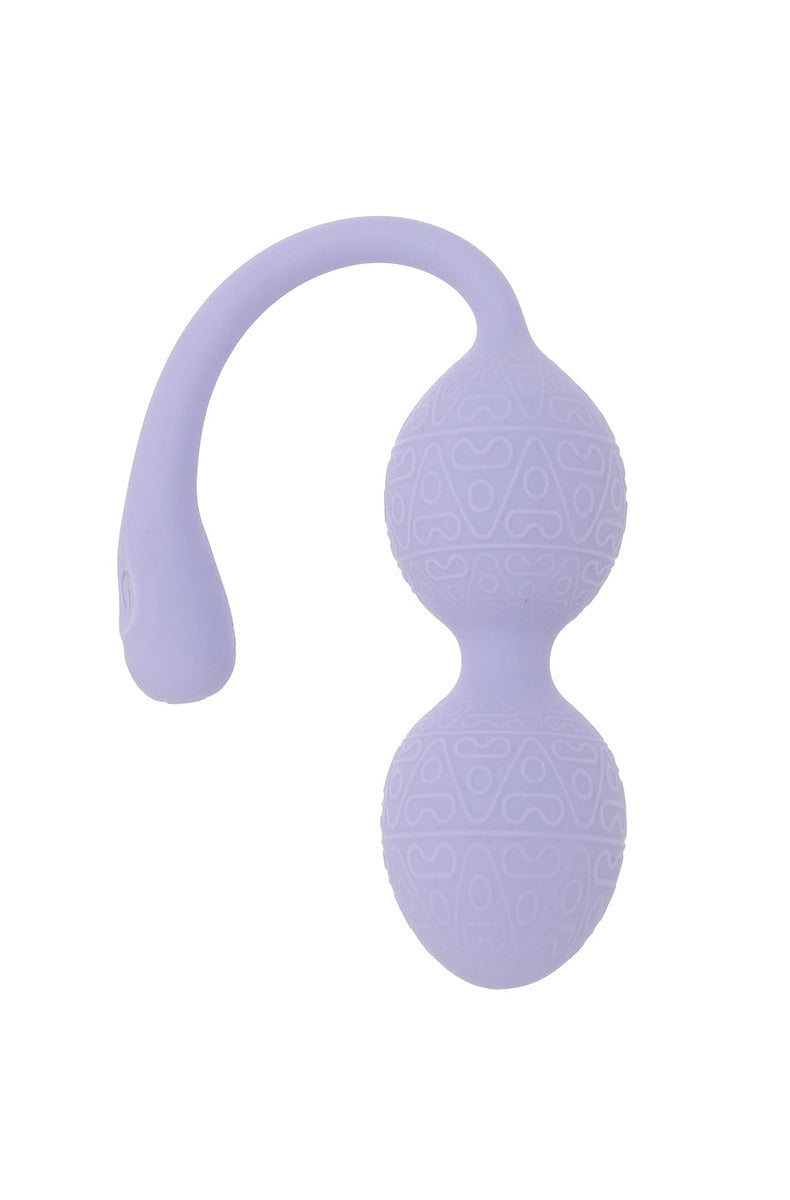
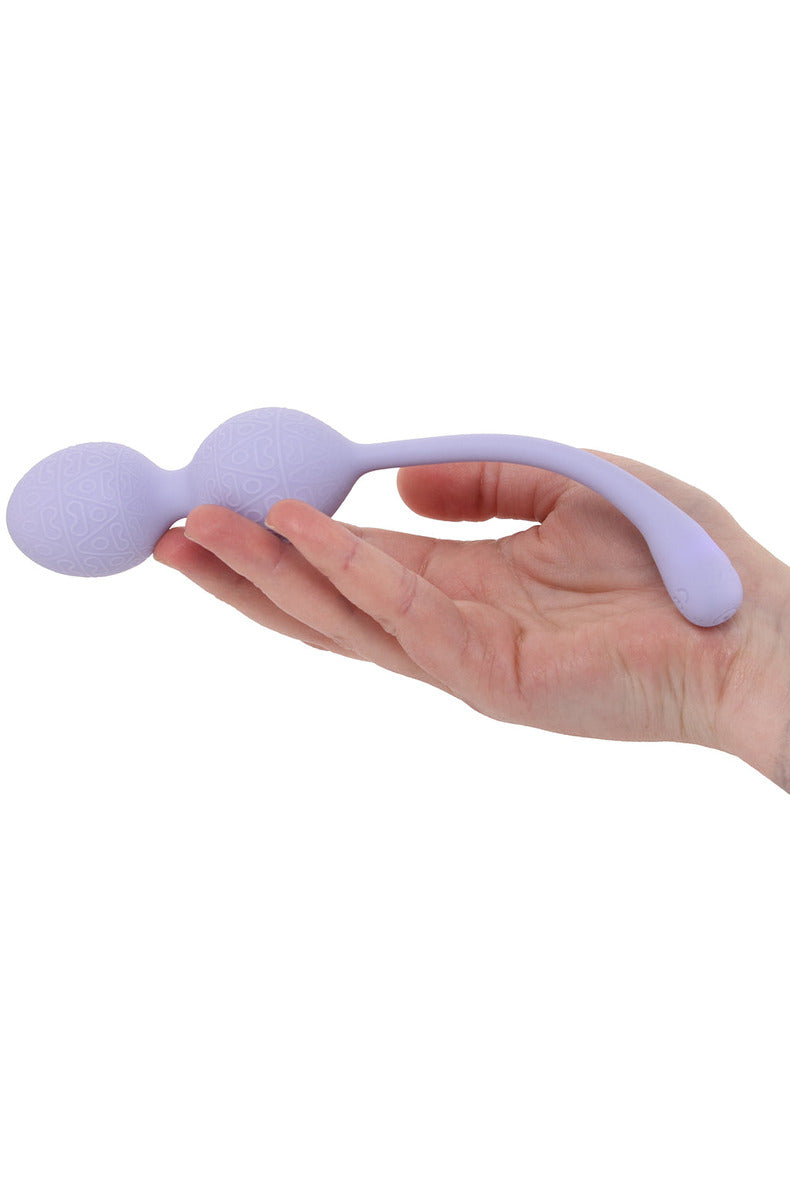
  • Vibrating kegel trainers: the vibration gives you something to squeeze against, which helps when you cannot tell whether you are contracting the right muscle. Rechargeable, waterproof, usually remote controlled.
  • Stone eggs: non porous, no motor, nothing to charge. Heavier than they look and easy to clean, though they give you no feedback at all, which suits some people and frustrates others.
  • Expanding dilators: one body that widens by degrees rather than a stack of separate sizes. Less to store, and the progression is continuous instead of arriving in jumps.
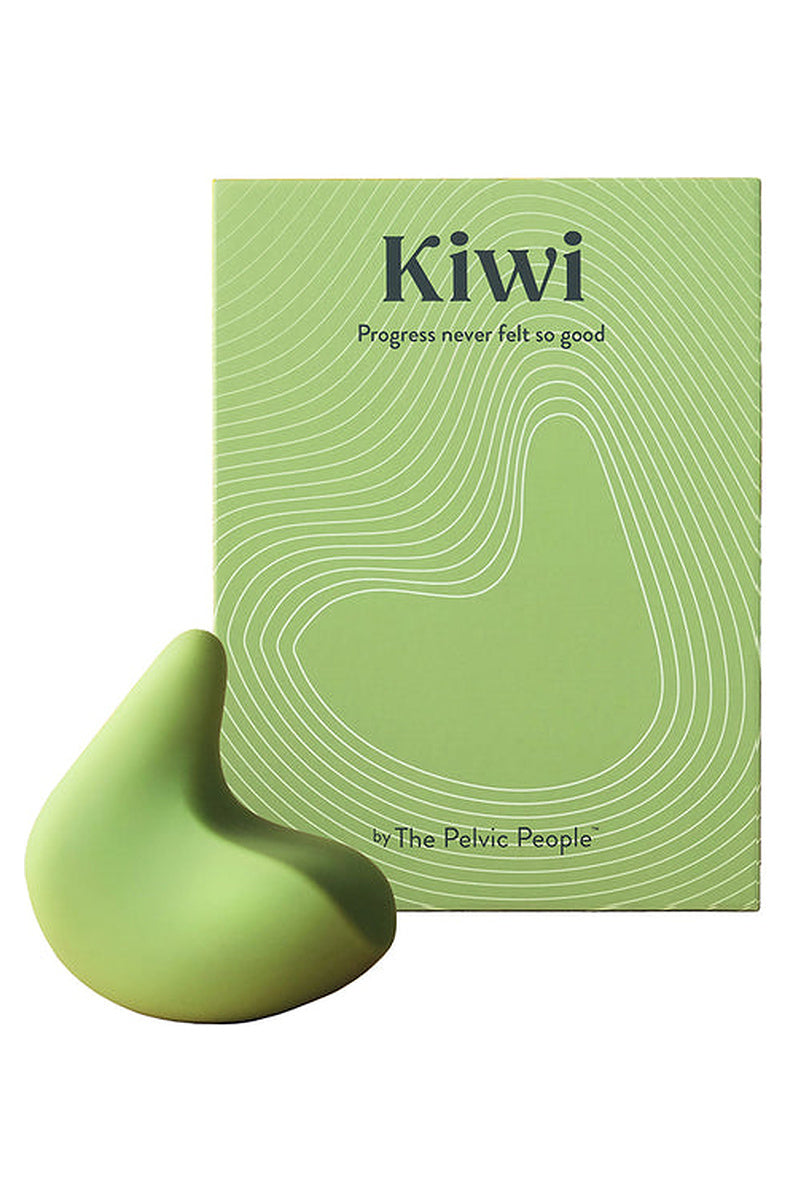
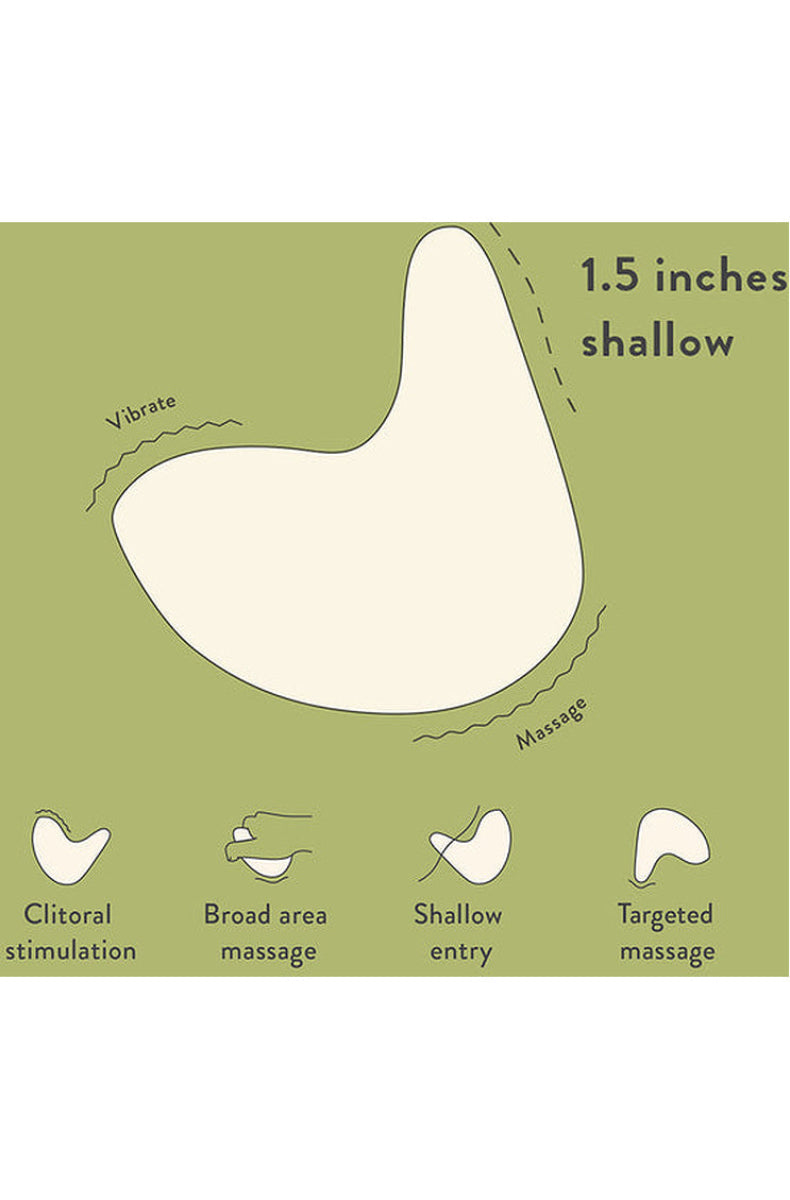
  • Pelvic massagers: external vibrating tools for the muscle around the pelvic floor rather than inside it. Useful when the problem is tightness and clenching rather than weakness.

How to choose the right one

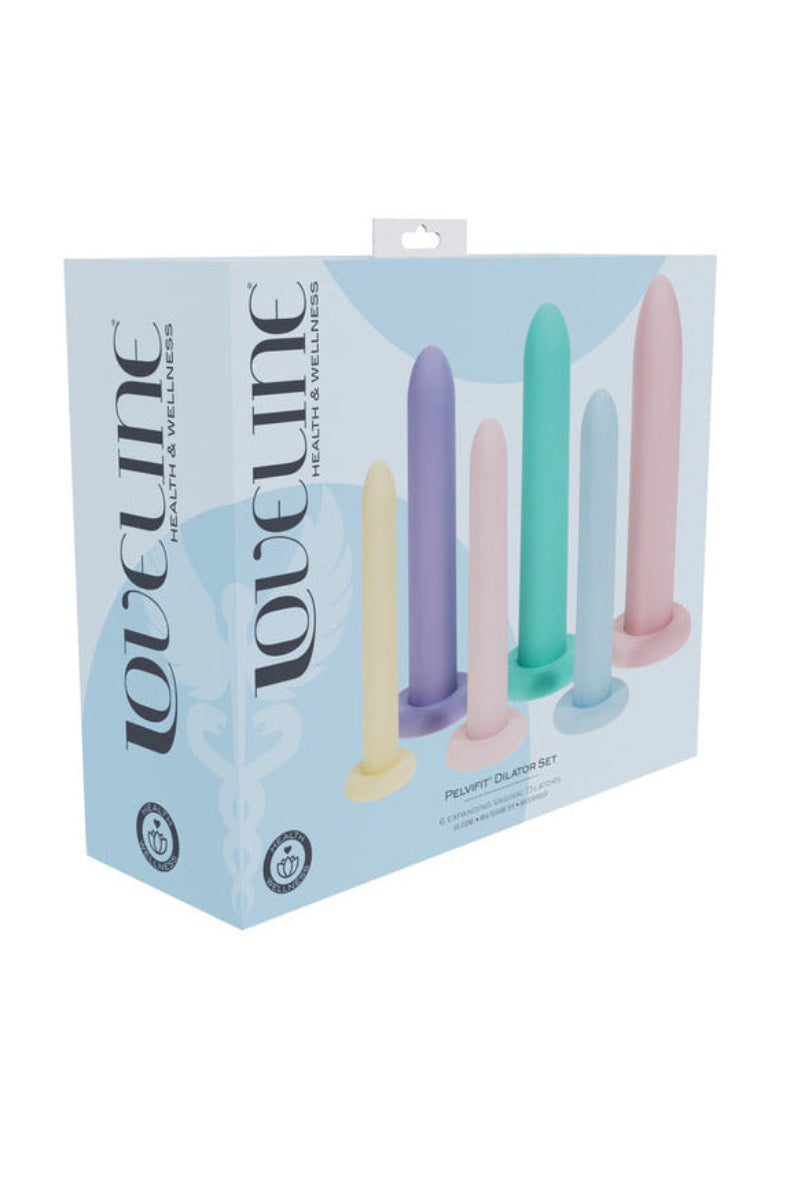
If a doctor or a pelvic floor PT sent you: buy what they specified, and buy the set rather than a single size. Progression is the entire method, and having the next size already on hand is what keeps people going.

If you are new to kegel training: start with the lightest weight in the kit, not the one that feels like a challenge. If you have to clench your glutes or hold your breath to keep it in, it is too heavy and you are training the wrong muscles.

If penetration is painful: that is dilator territory, not kegel territory. Kegels strengthen, dilators lengthen and desensitize, and doing the first when you needed the second usually makes things worse. If the pain started after birth, Postpartum has the rest of what helps.

On lubricant: use it, generously, every single time. Friction is what turns a training session into a setback. A water based lubricant is the right default, because silicone lubricant degrades a silicone surface.

If you cannot tell whether you are contracting the right muscle: a vibrating trainer gives you something to squeeze against. Reactions are split on whether the feedback helps or just feels nice, but the cue is real.

On materials: medical grade silicone, non porous, one piece where possible. Anything with a seam, or a retrieval cord that is not silicone, is harder to clean and holds bacteria.

If you are dealing with a specific medical situation, talk to your doctor or a pelvic floor PT. We are not clinicians.