Bondage

Bondage covers restraint systems, cuffs, rope, spreader bars, and the impact and sensation gear around them. Beginner kits come matched with instructions. Everything here is body-safe, and two rules never bend: safety scissors within reach, and a safe word agreed before anything starts.

Recently viewed

What is a bondage kit?

A bondage kit is a matched set of restraint gear sold together, usually because buying the pieces separately means guessing at what works with what. A typical starter kit is cuffs, a blindfold, some rope or a tether, and often a light impact piece. The point of a kit is that everything is already compatible and nothing arrives needing a second purchase to be usable.

Bondage as a category is wider than kits. It covers restraint (cuffs, rope, spreader bars, under-bed systems), sensation (blindfolds, ticklers, wax), impact (paddles, floggers, crops), and the gear around those. Restraint and impact are separate skills, and plenty of people only ever want one of them.

Two rules that are not preferences. Keep safety scissors within reach any time rope is involved, before you start rather than after. And agree a safe word beforehand, out loud, including what happens if the person restrained cannot speak. Everything else in this category is taste. Those two are not.

Types of bondage

Where to start depends on which part of it interests you:

  • Beginner sets: matched, instructed, nothing intimidating. If this is new, buy one of these rather than assembling a kit yourself.
  • Cuffs: wrist and ankle. Leather and padded styles are far more comfortable for anything longer than a few minutes than metal is.
  • Rope and tape: hemp, silk and bondage tape. The most versatile option and the one with the steepest learning curve.
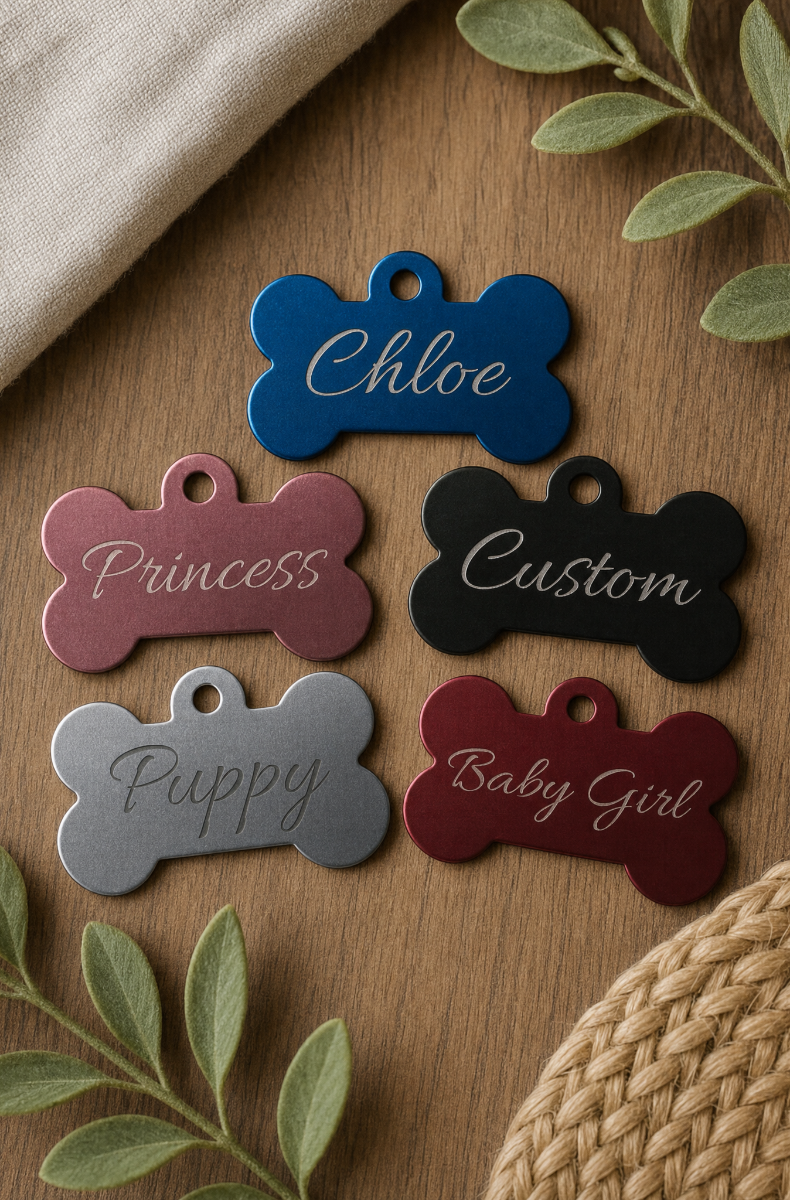
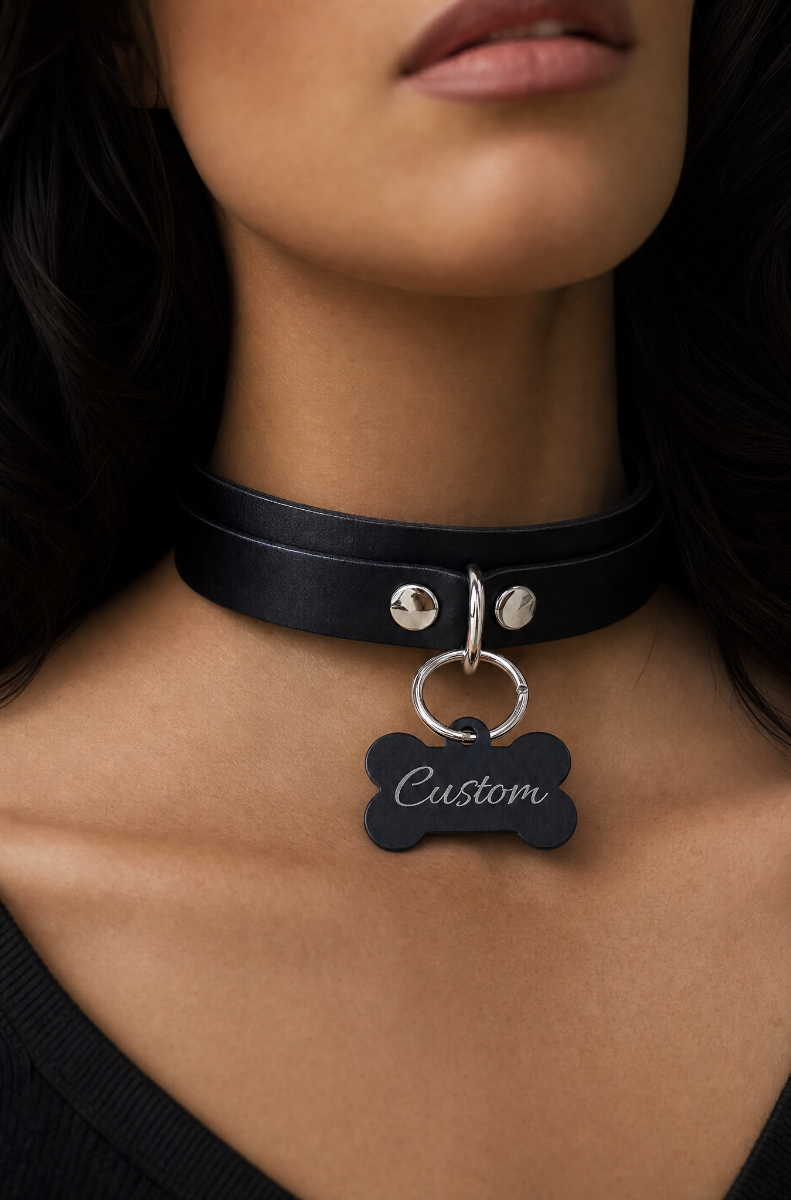
  • Collars and leashes: more symbolic than restraining, and the most-searched piece in this category.
  • Blindfolds: the cheapest way to change a scene completely. Removing sight heightens everything else.
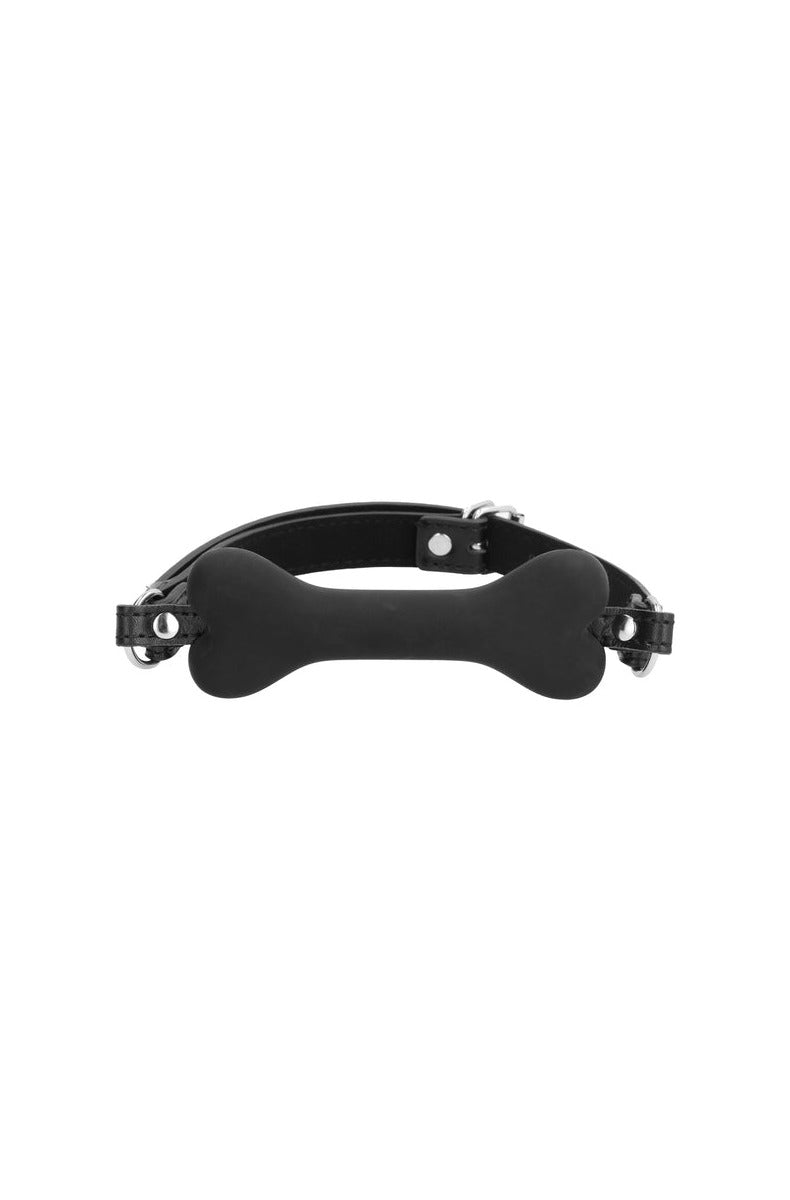
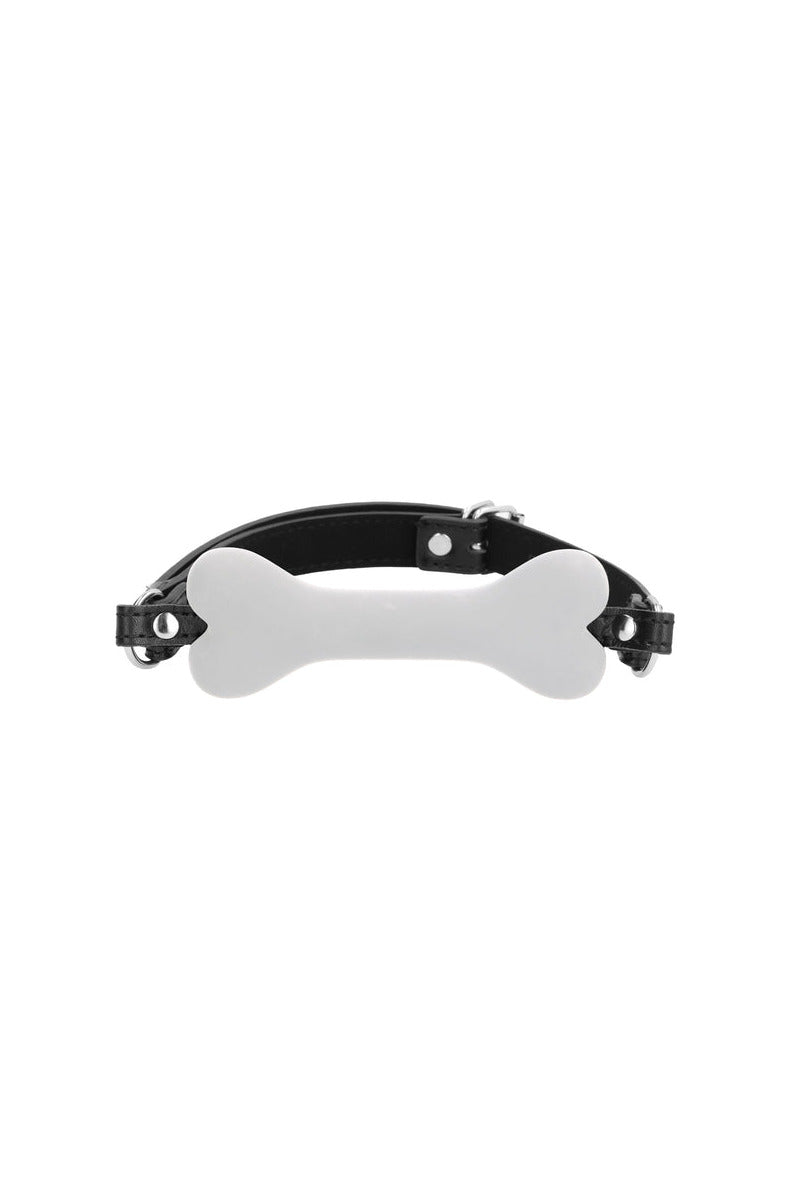
  • Gags: for anyone exploring voice and control. Non-verbal safe signals become essential the moment one is involved.
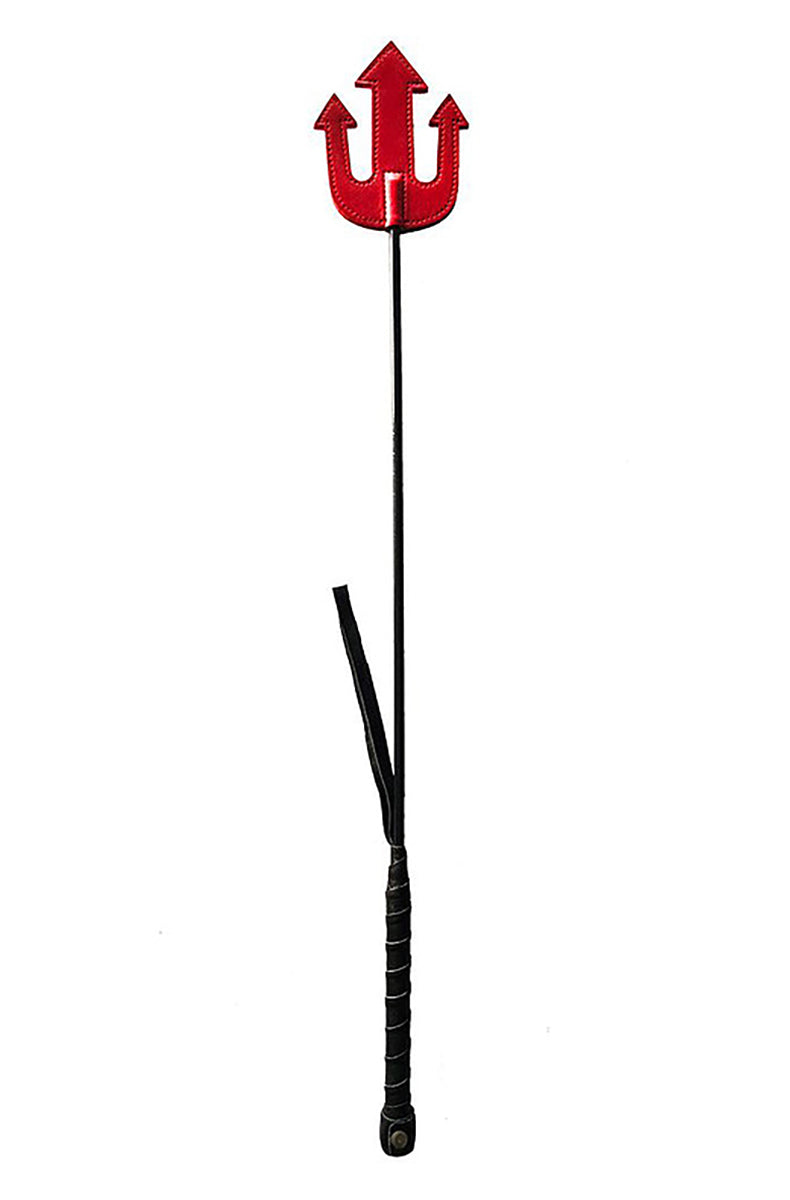
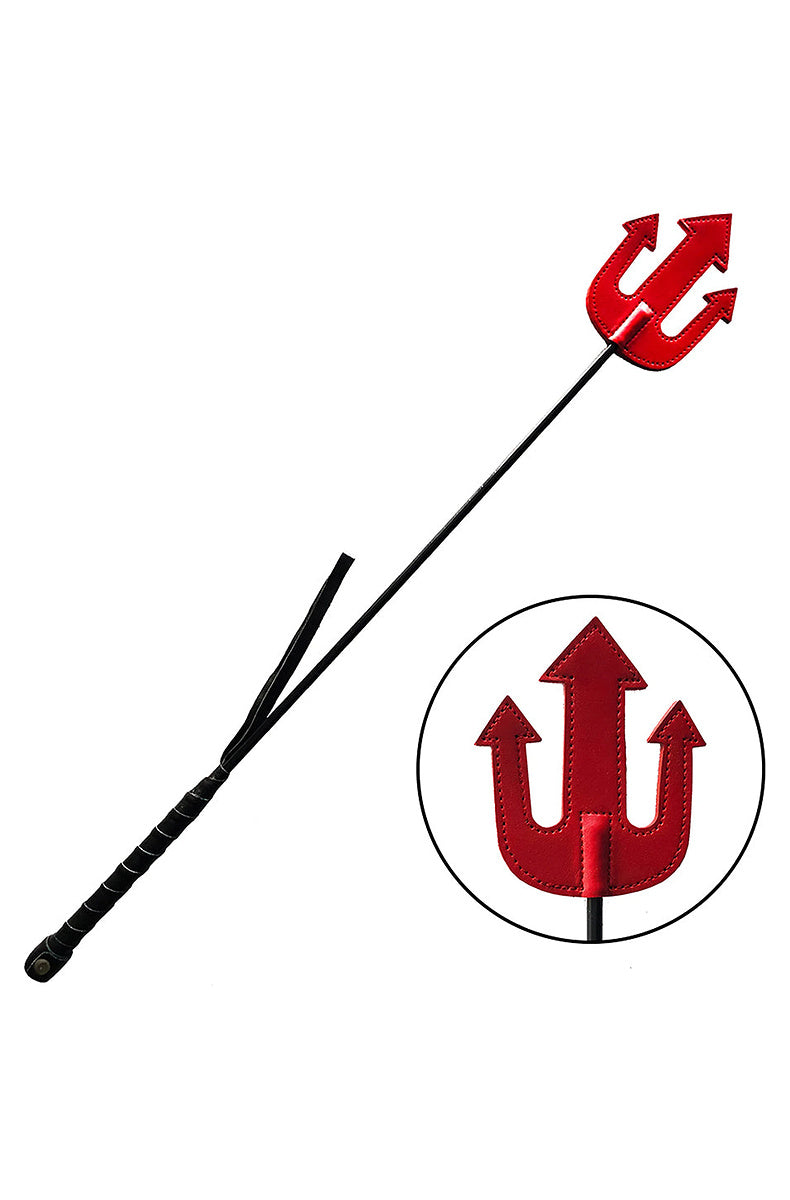
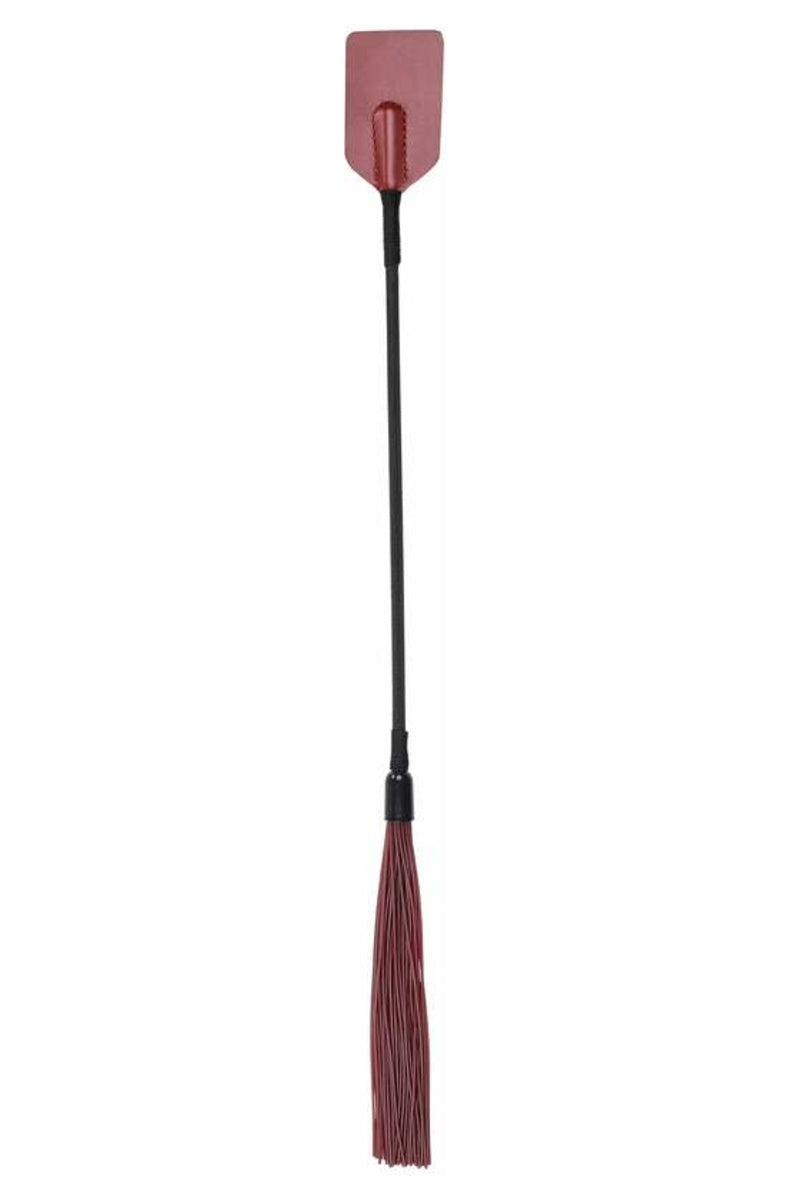
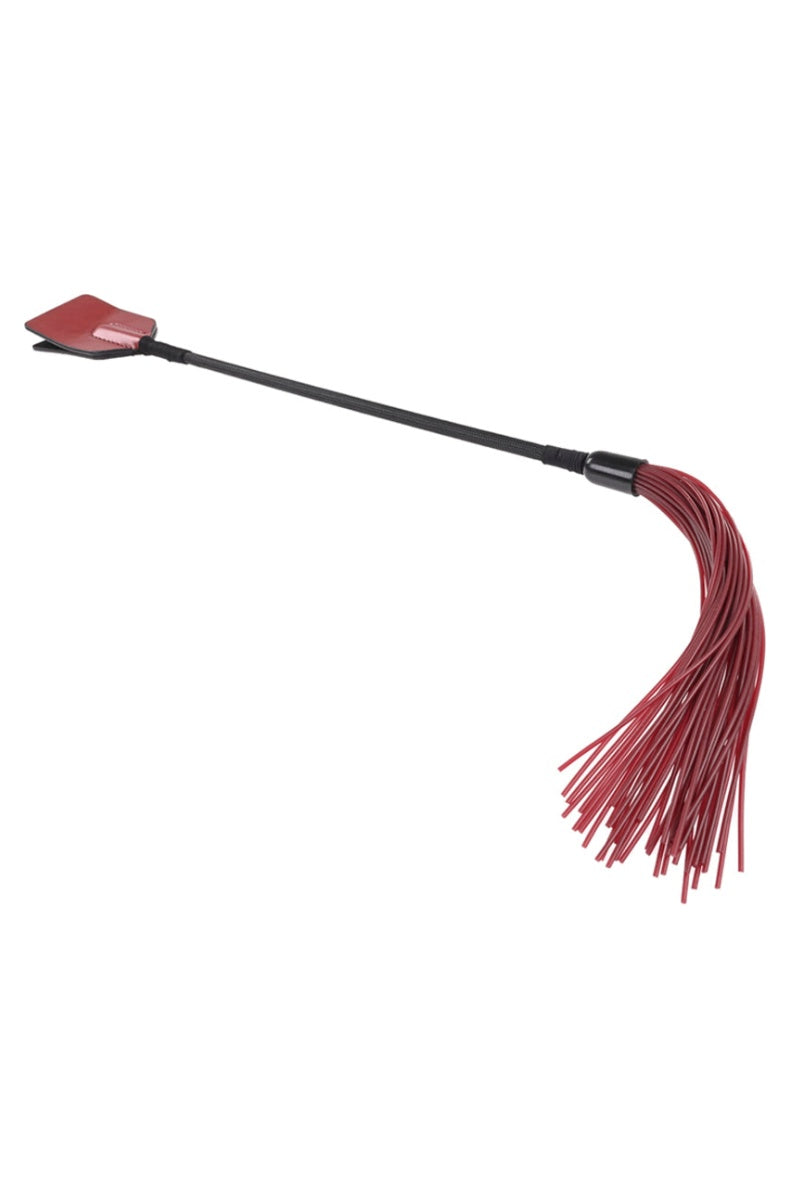
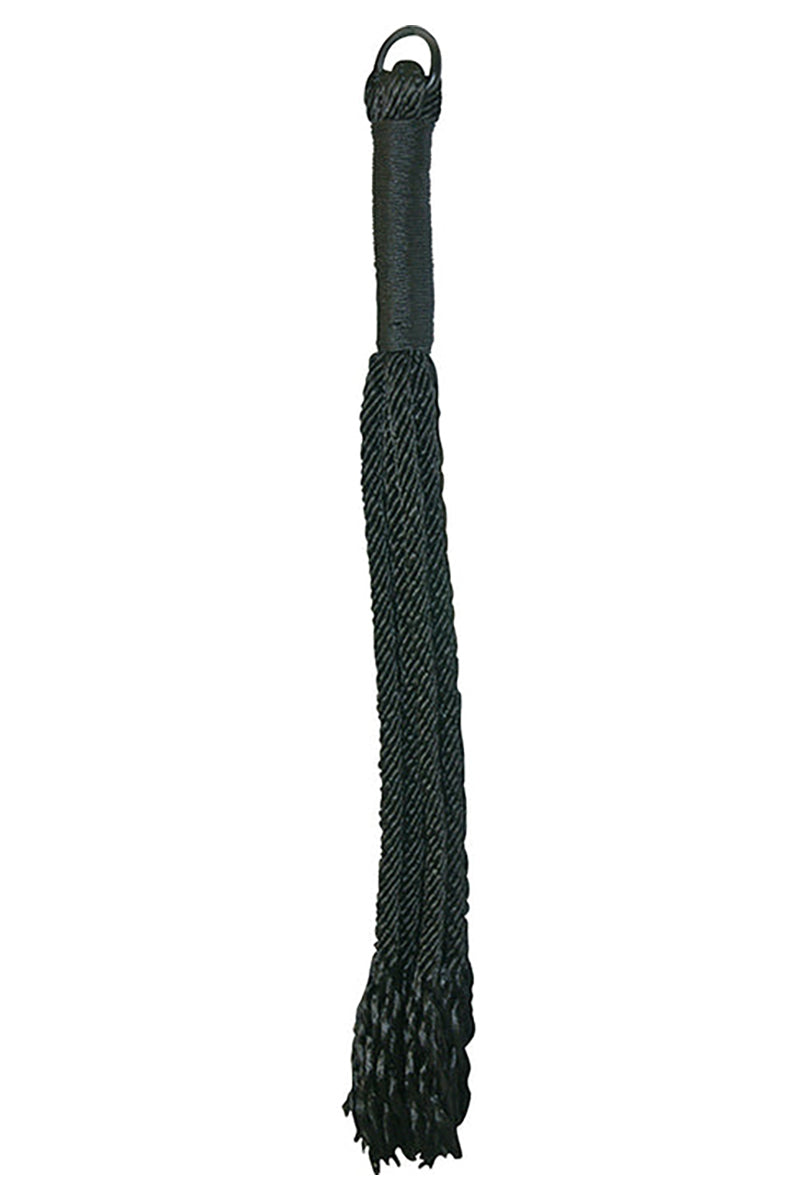
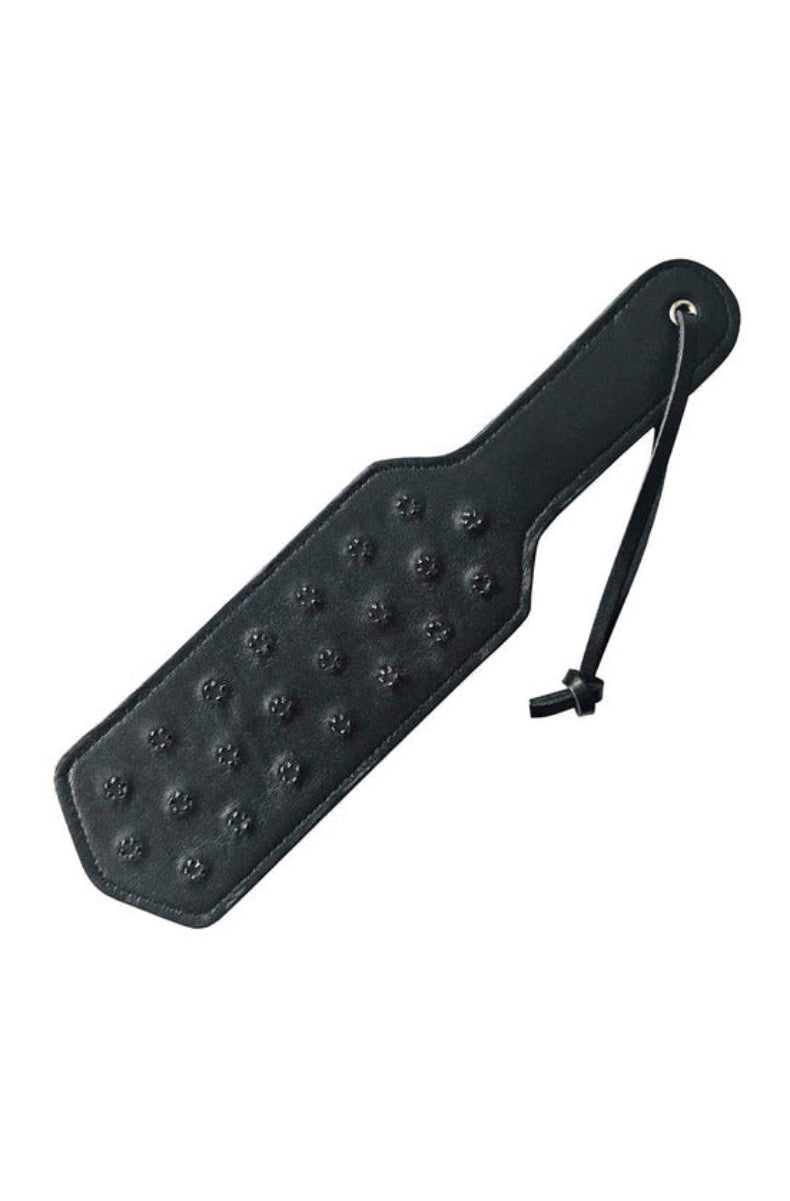
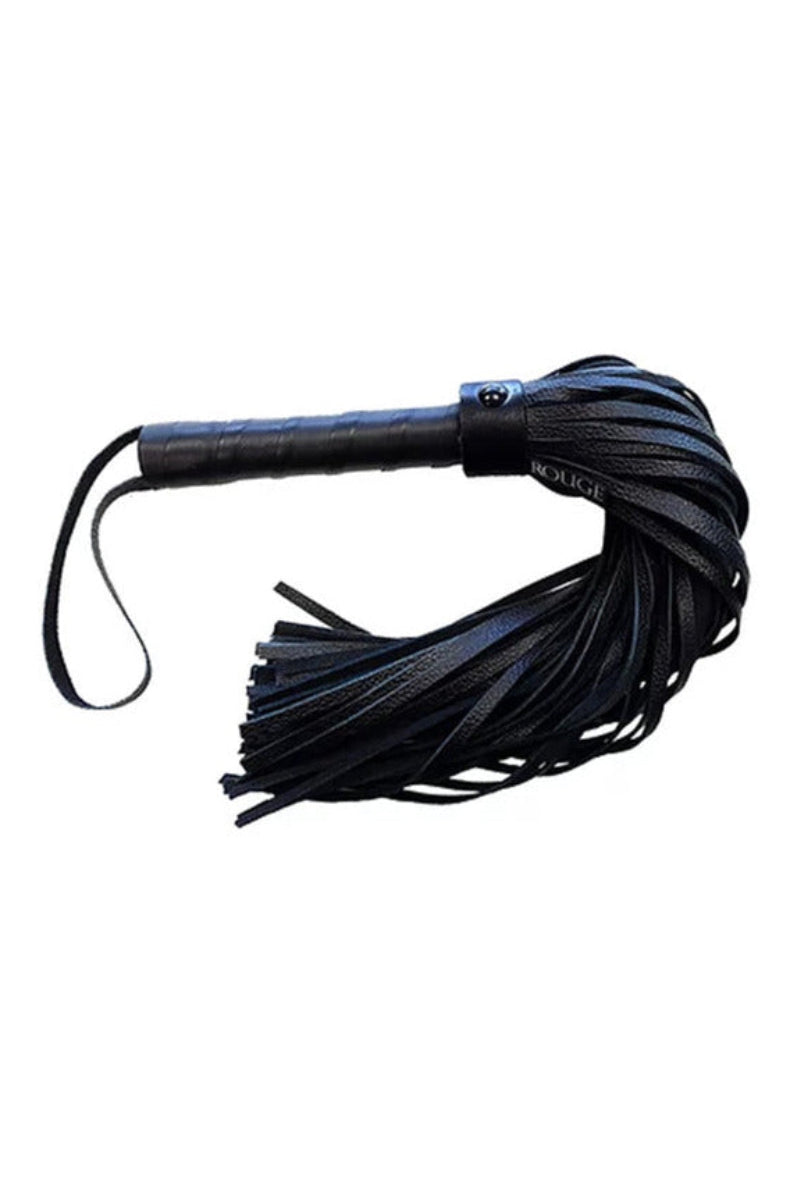
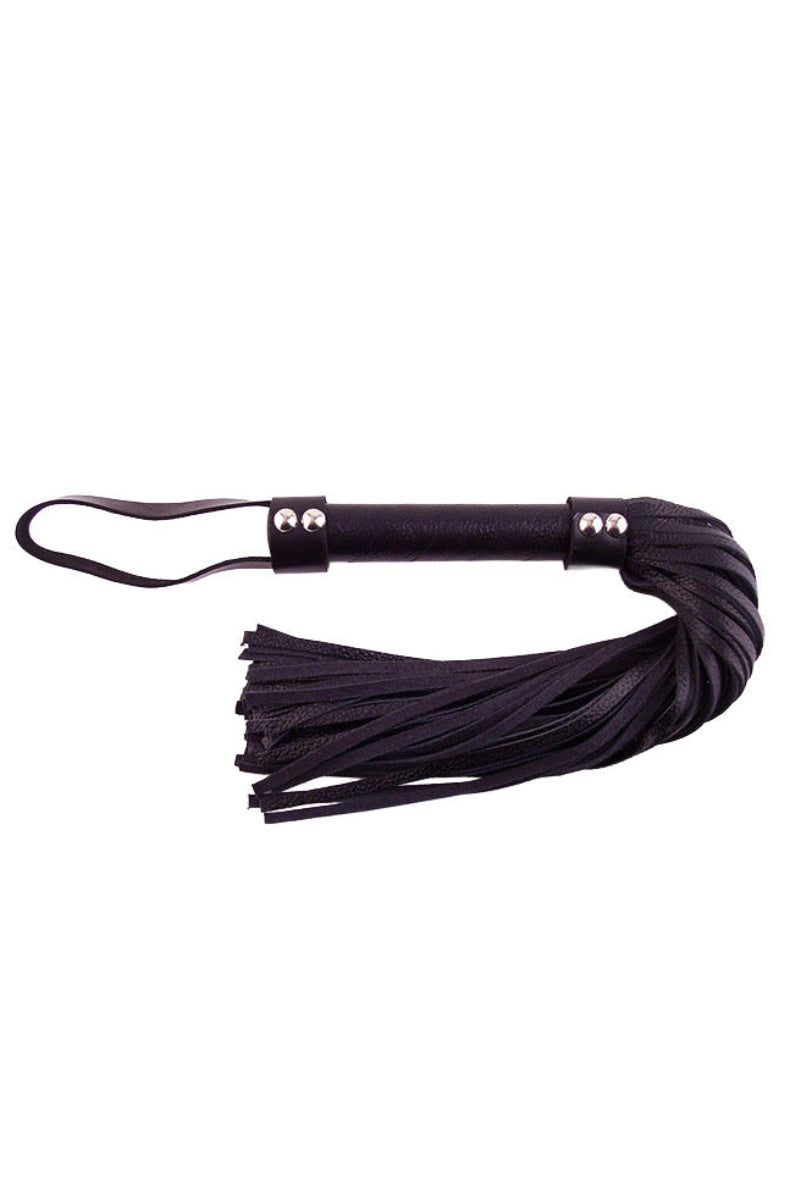
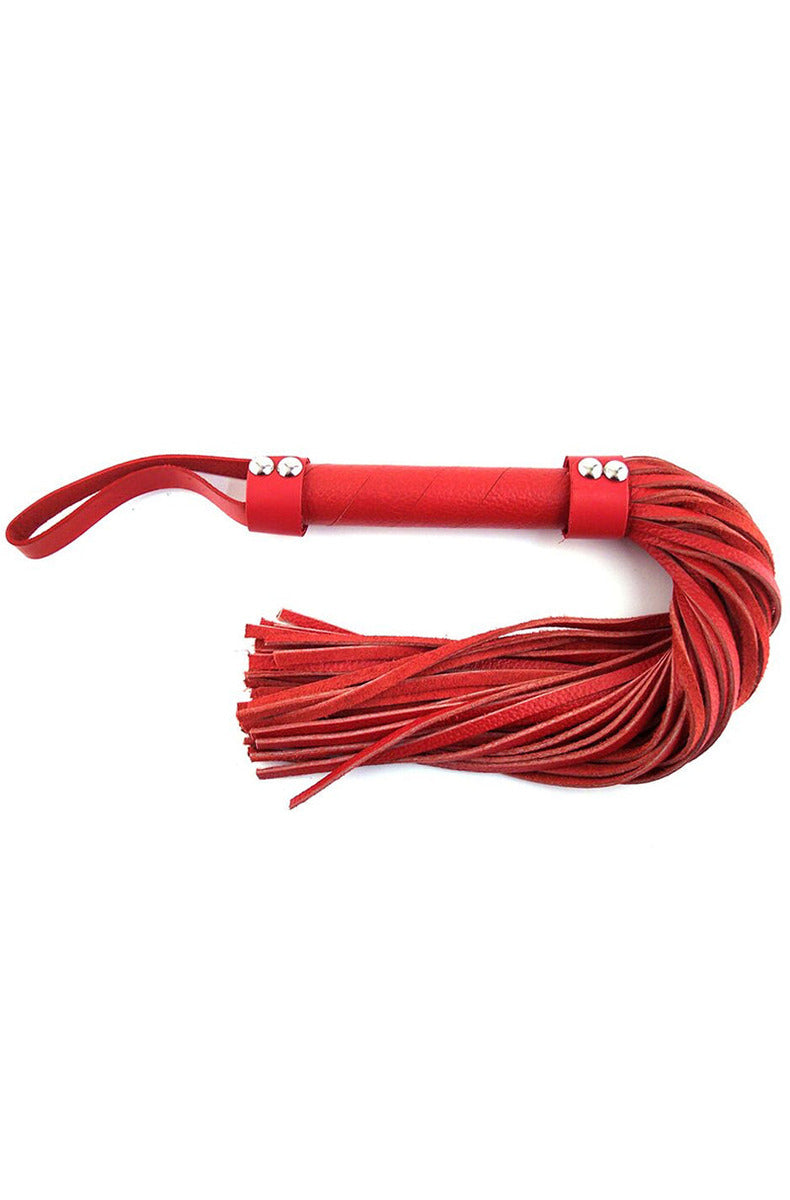
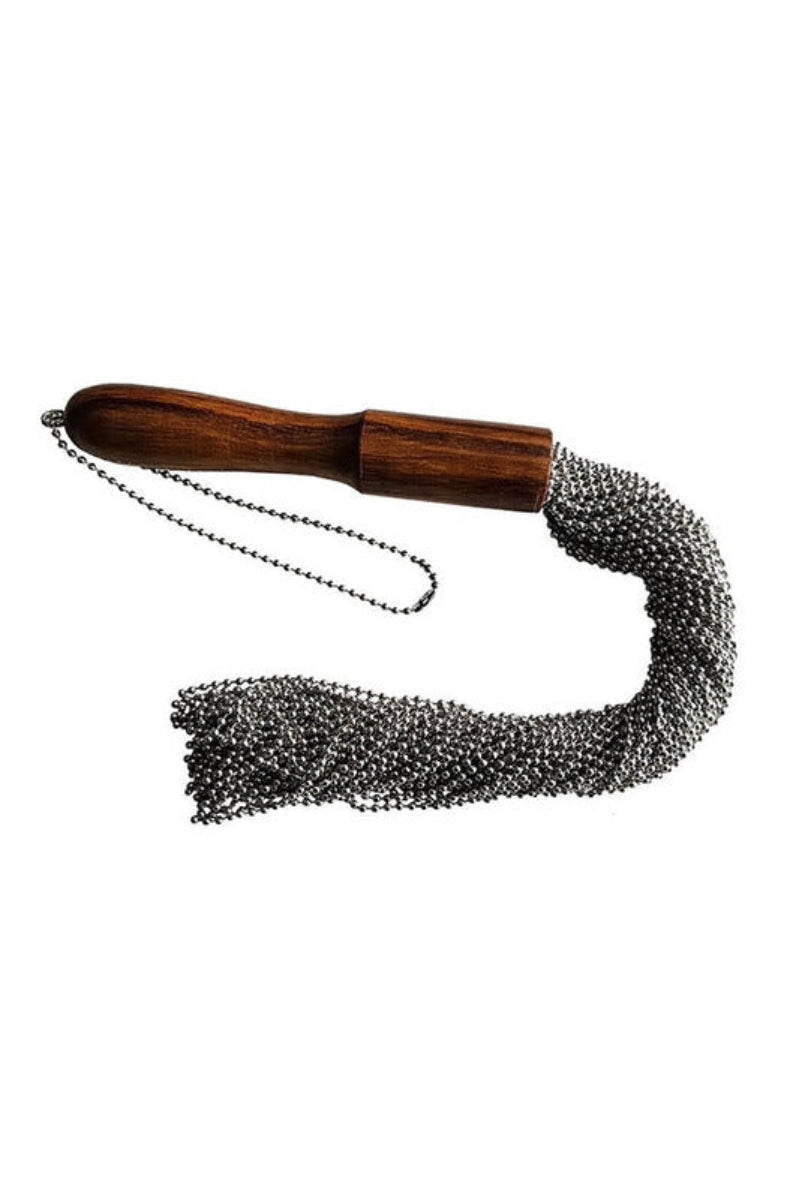
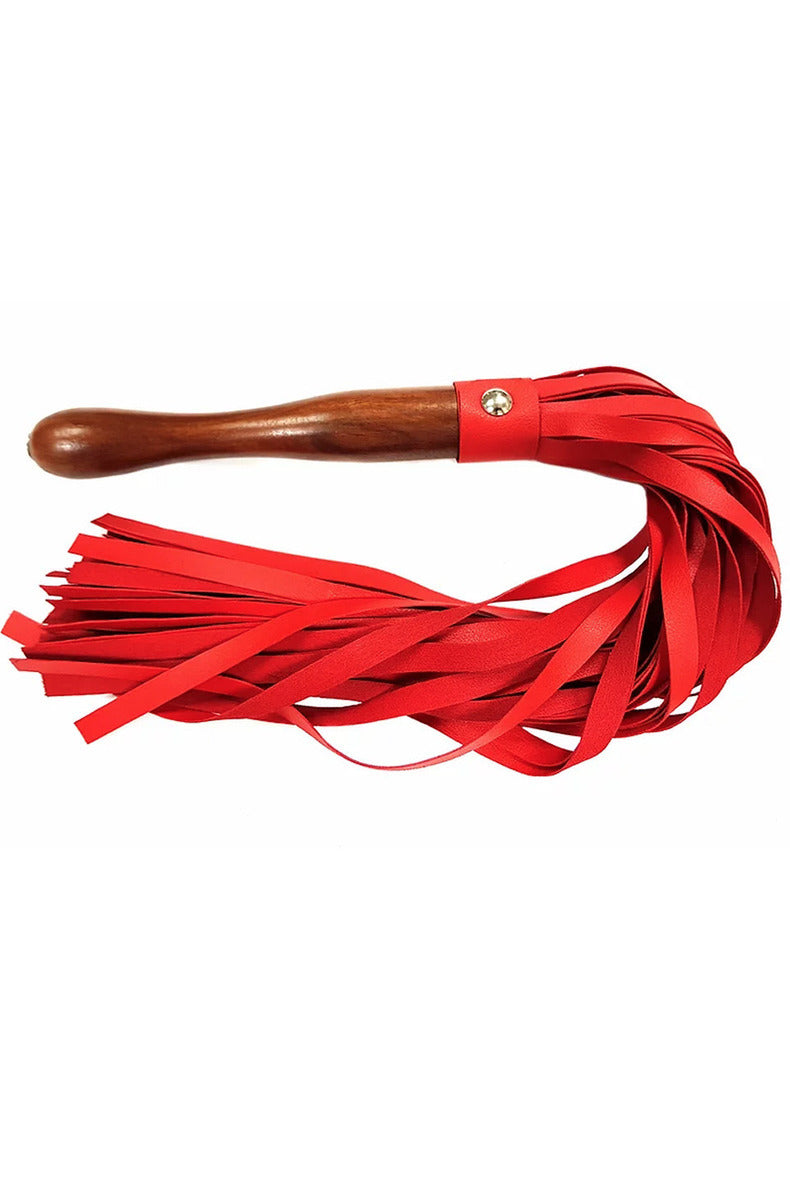
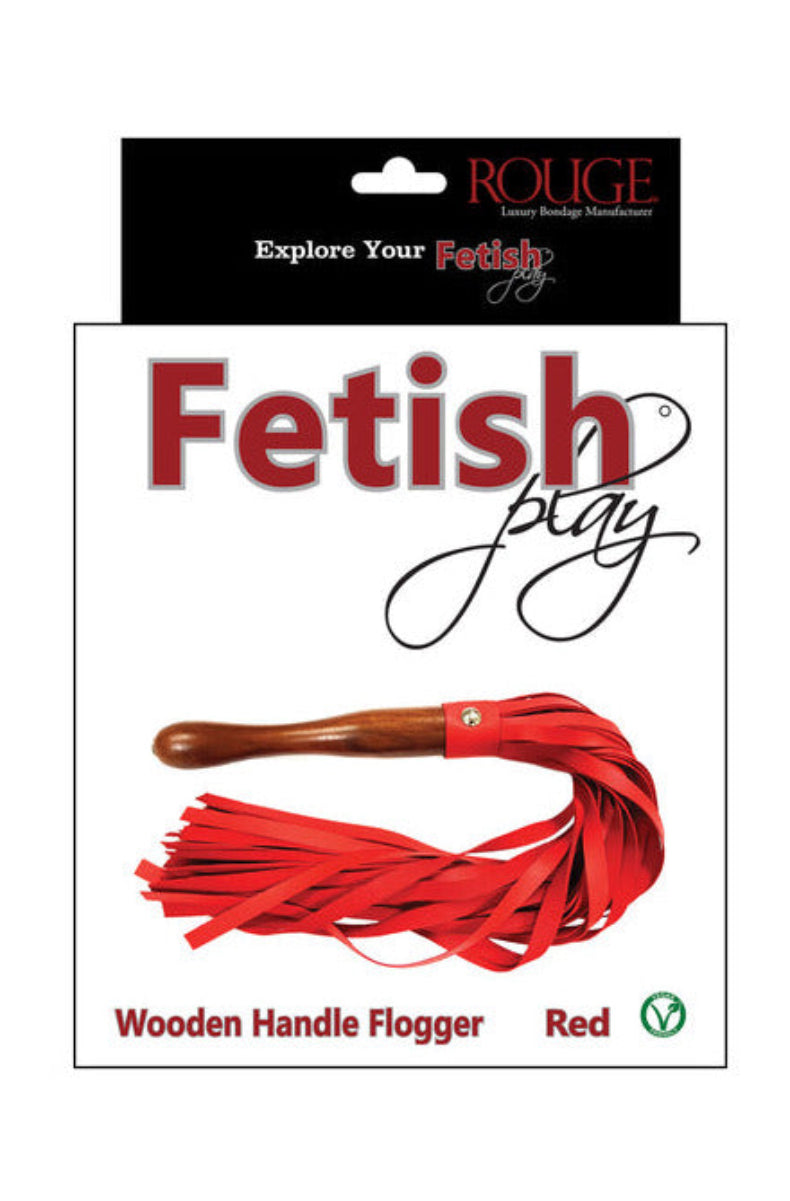
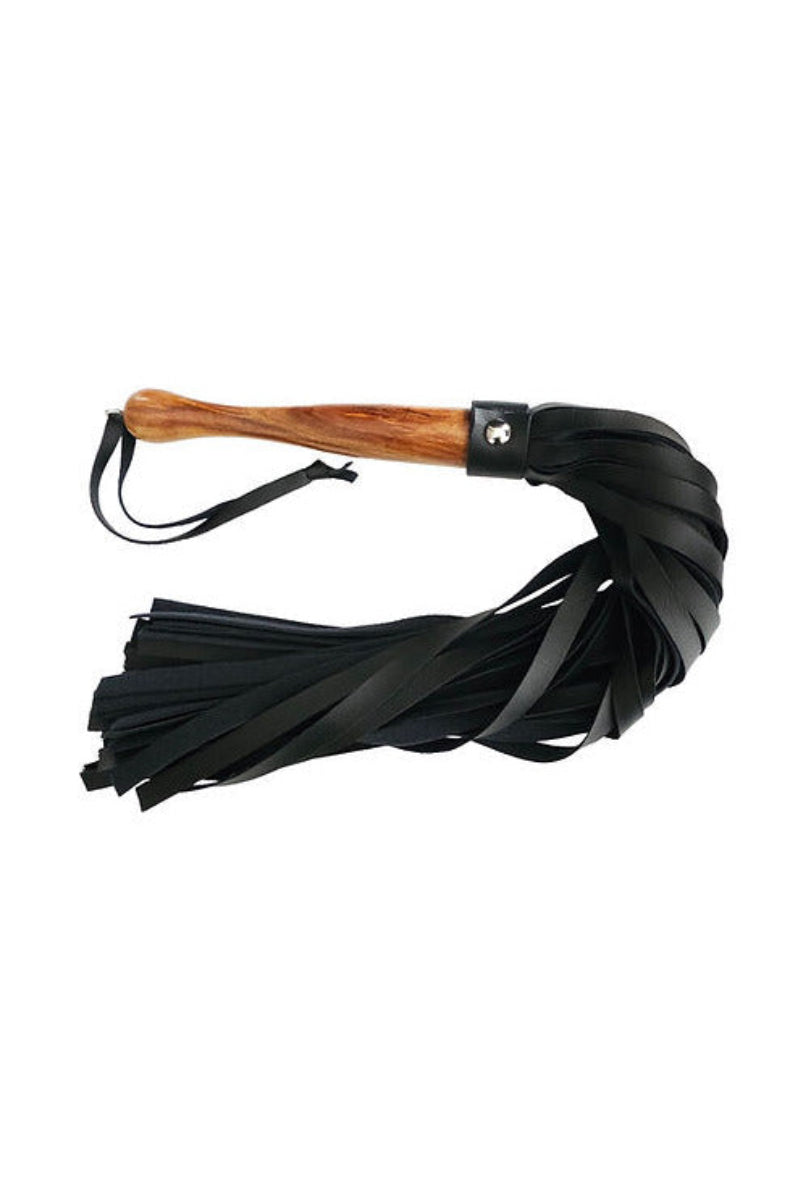
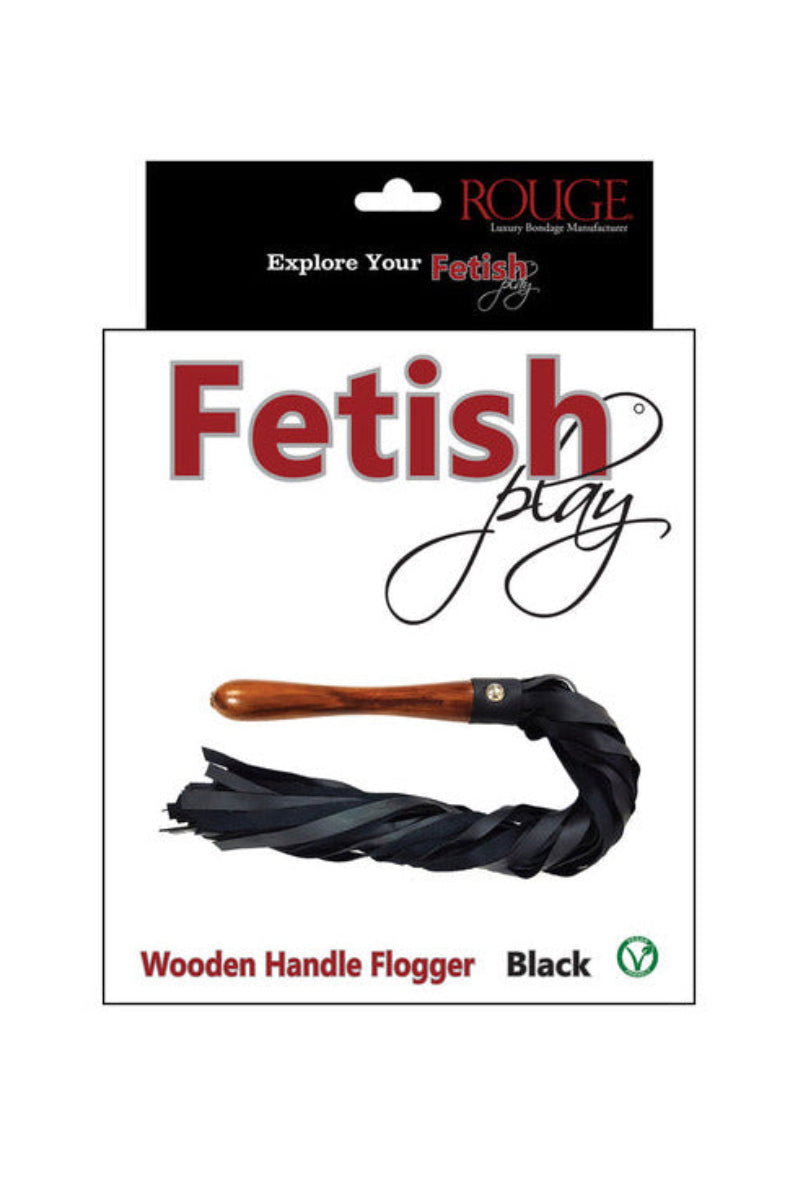
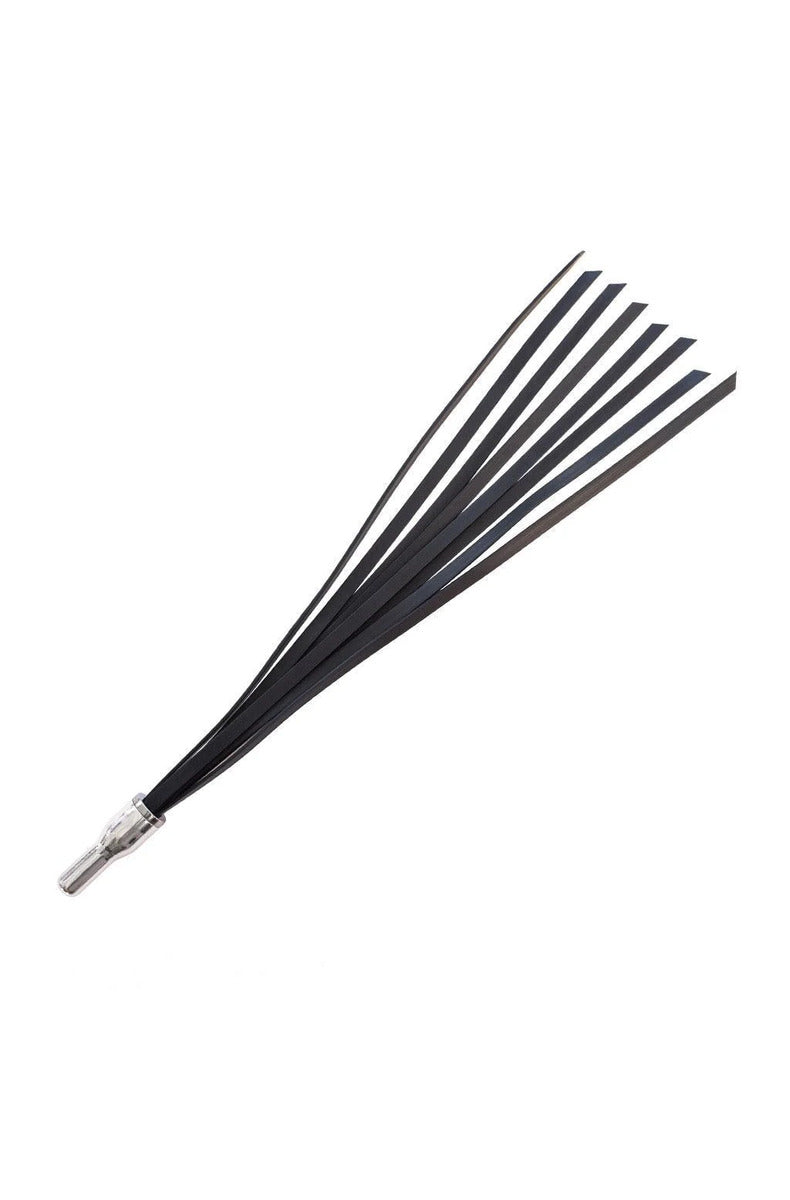
  • Paddles, floggers and crops: impact play. A flogger is thuddy and forgiving, a crop is sharp and precise, a paddle sits between them.
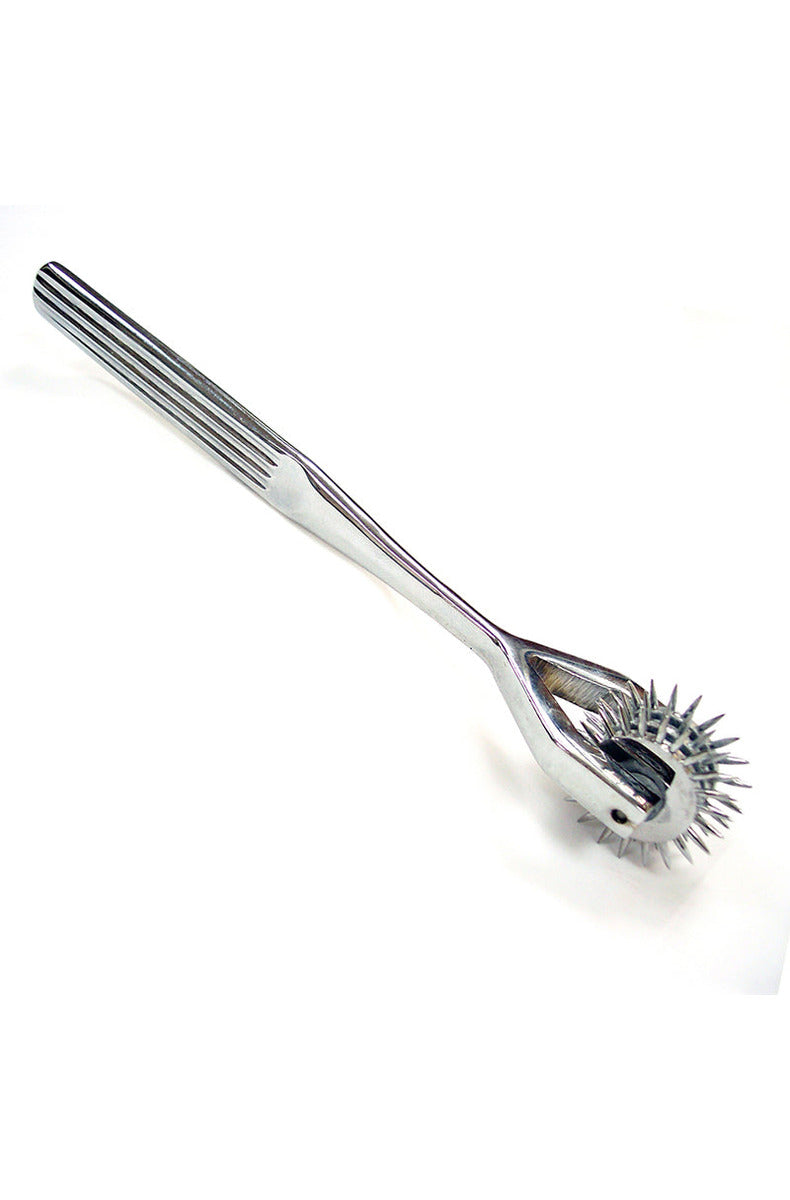
  • Clamps and ticklers: sensation rather than restraint. Adjustable clamps are the only kind worth buying.
  • Wax play candles: low-temperature only, never ordinary candles.

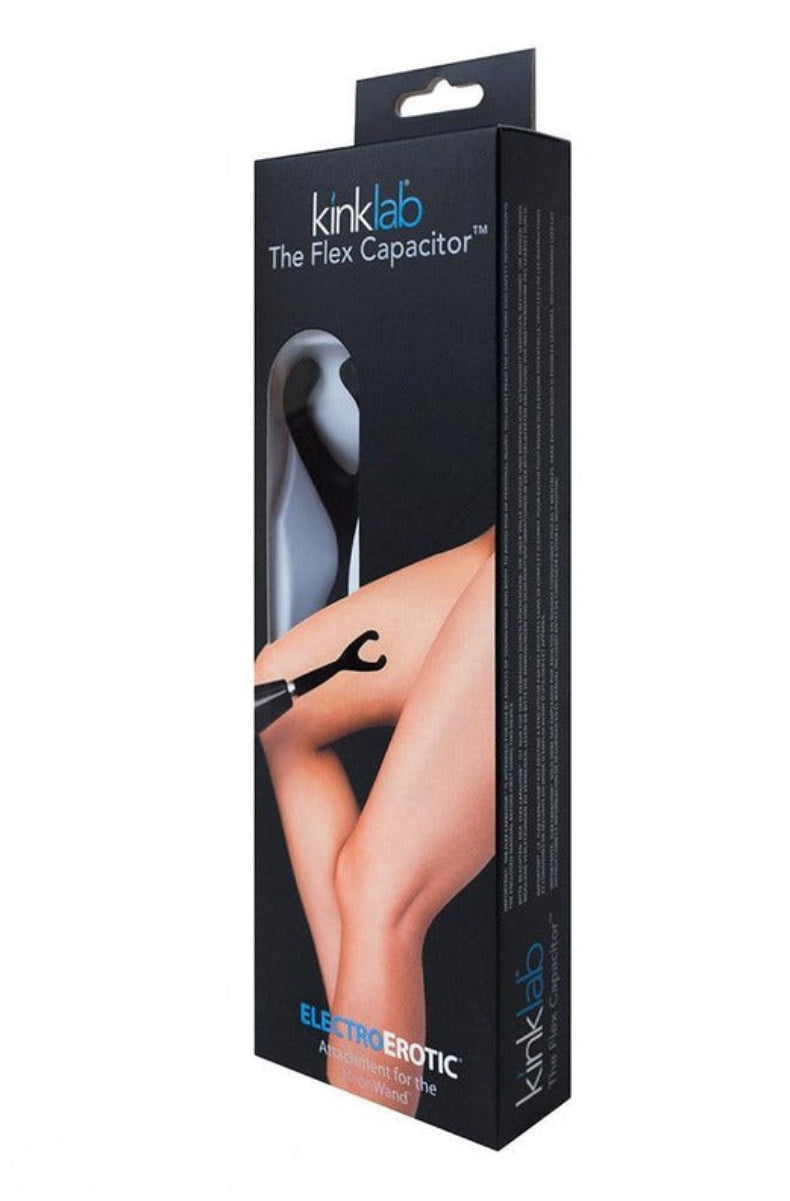
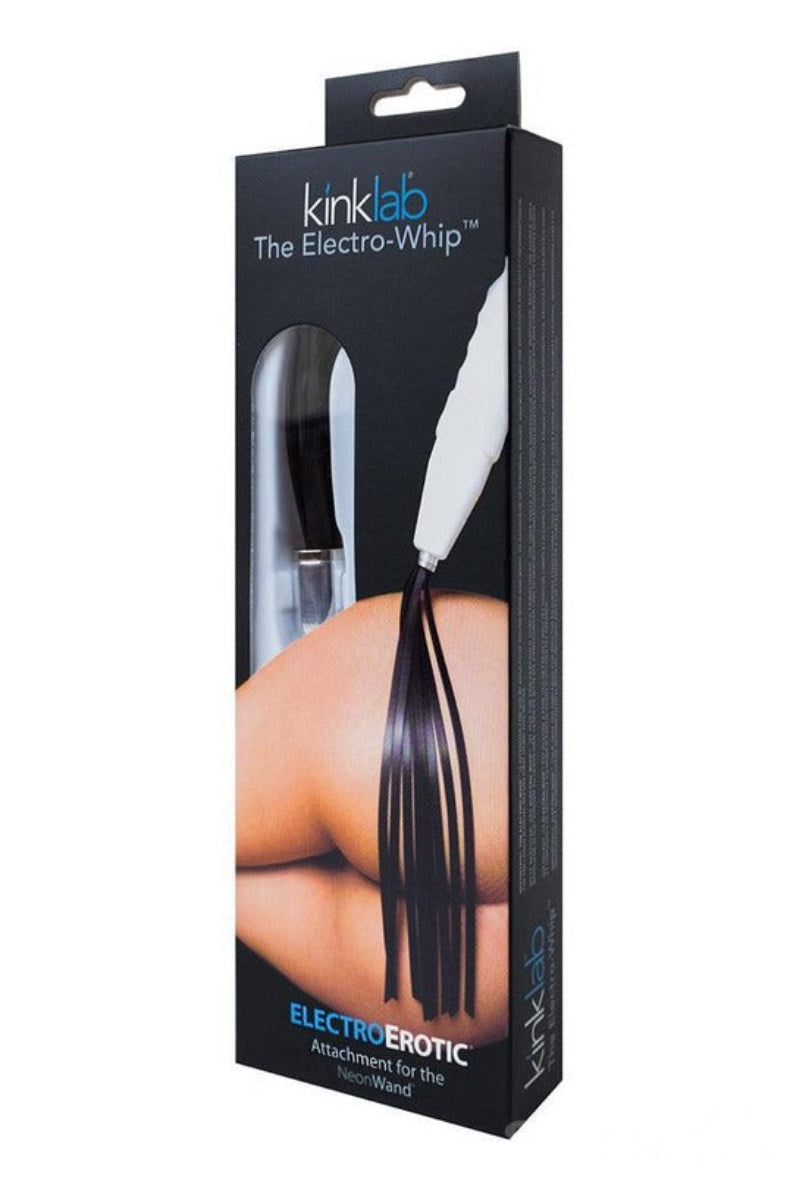
Further along, electro play and harnesses open up from here.

How to choose the right one

Buy the kit, not the pieces, the first time. Assembling your own set means discovering that the cuffs do not clip to the tether and the rope is the wrong length. A matched beginner set removes every one of those problems for less than buying the parts.

Cuffs before rope. Rope looks better and is genuinely more versatile, but it is a skill that takes real practice and it carries real risk if done badly. Cuffs give you the same restraint immediately, with a buckle you can undo in one second.

Check what it does to circulation. Anything restraining should take two fingers underneath. Numbness, tingling and color change all mean stop now, not soon. Never leave anyone restrained alone, not even briefly.

Impact play starts far lighter than you think. Fleshy areas only, meaning backside and thighs. Never the lower back over the kidneys, never joints, never the spine. Start at a quarter of the force that feels right and build from there.

Leather needs conditioning, silicone needs nothing. Leather cuffs and floggers age beautifully if you look after them and crack if you do not. Silicone and nylon are the low-maintenance choice, and they can be washed properly, which leather cannot.

Talk about it before, and talk about it after. The conversation beforehand is a safe word and hard limits. The one afterwards matters just as much and gets skipped far more often.