Skirts
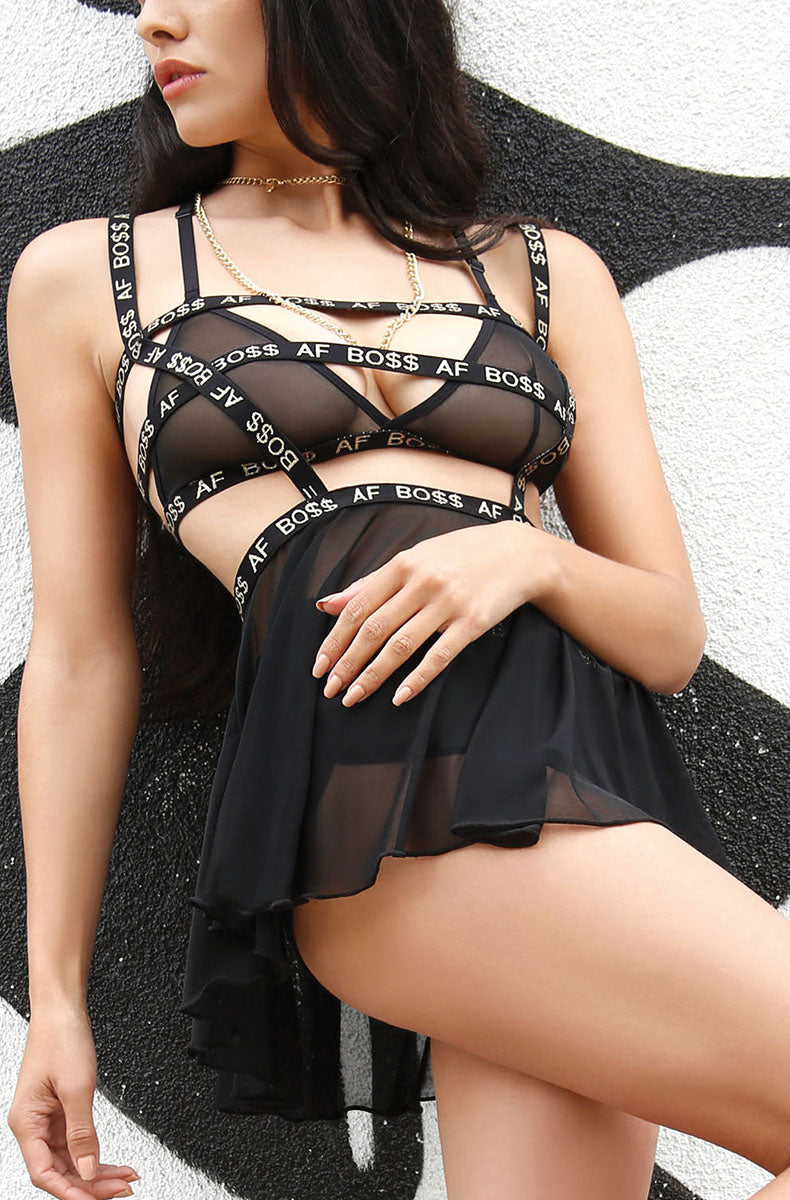
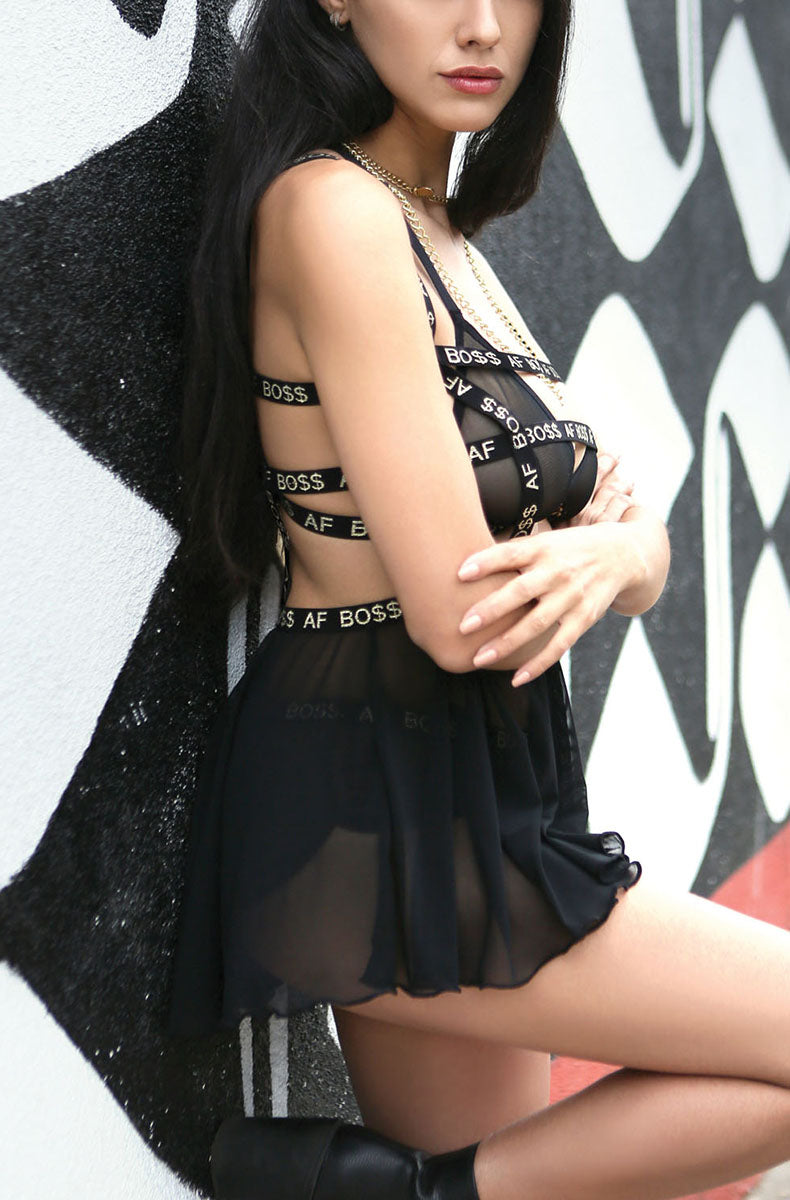
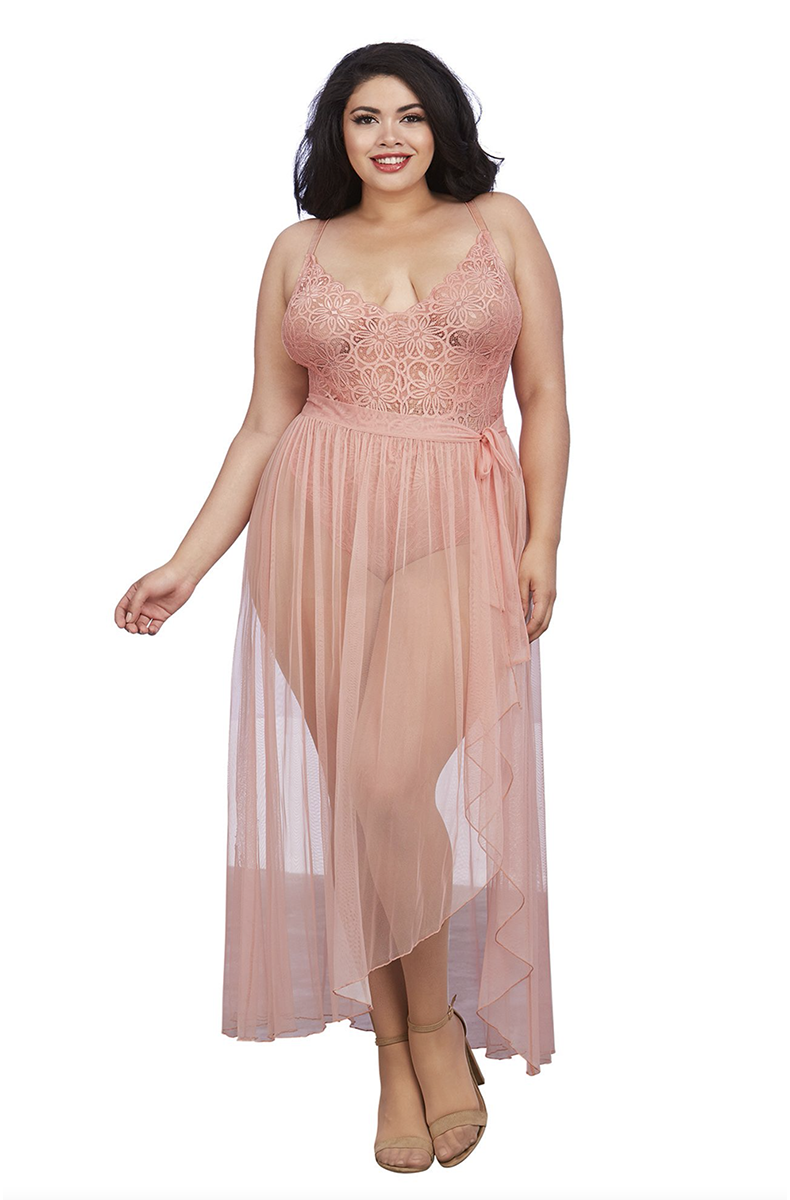
Lingerie skirts are a layer, not coverage. Sheer tulle and mesh maxi skirts, short skater cuts and suspender styles, worn over a teddy, a bodysuit or panties instead of with a top.

Lingerie skirts are a layer, not coverage. Sheer tulle and mesh maxi skirts, short skater cuts and suspender styles, worn over a teddy, a bodysuit or panties instead of with a top.
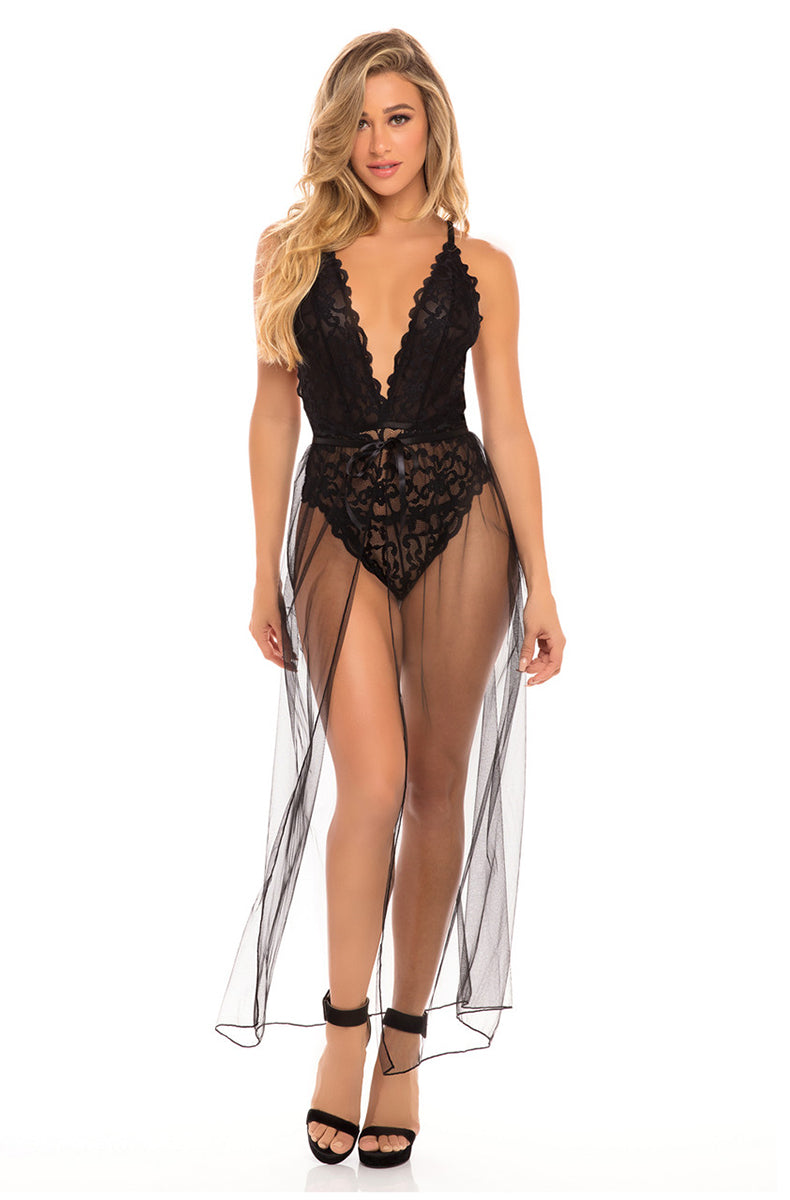
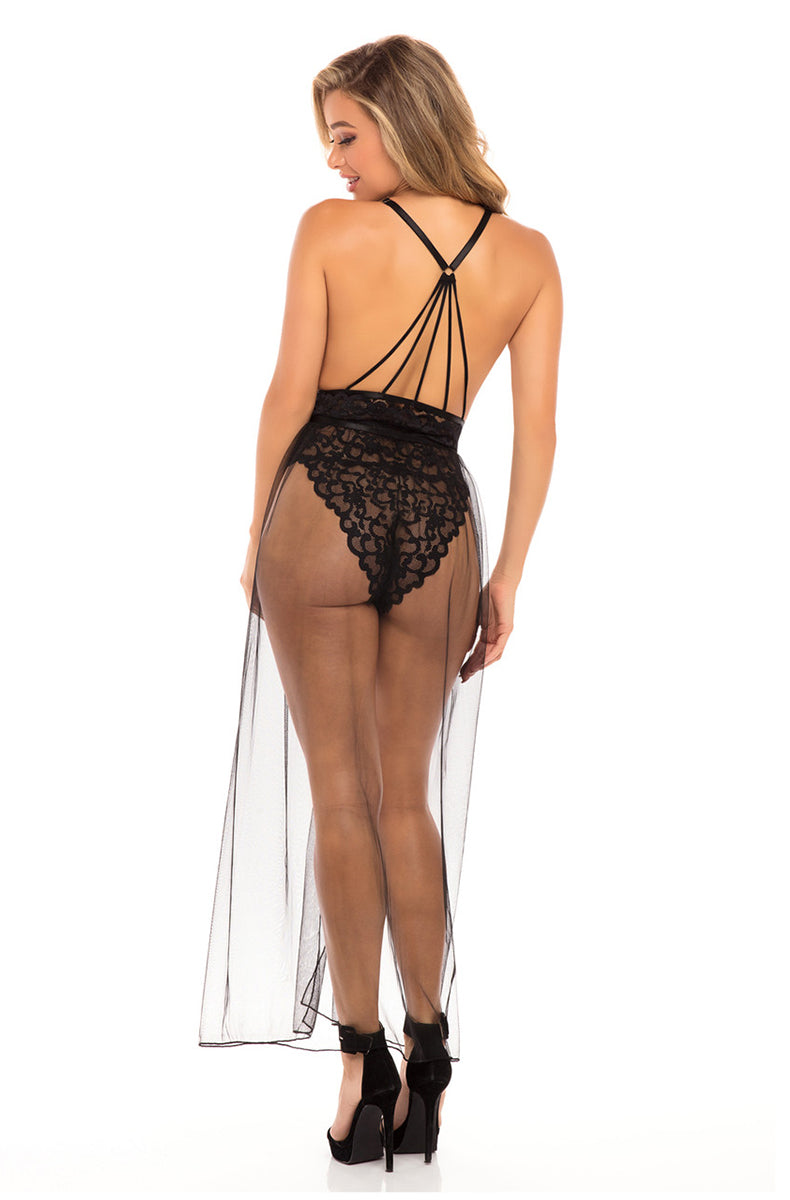
A lingerie skirt is not covering anything and is not trying to. It is cut in sheer tulle or mesh, unlined, and it goes over what you are already wearing: a teddy, a bodysuit, a pair of panties. Whatever is underneath does the work, and the skirt changes what the whole thing reads as.
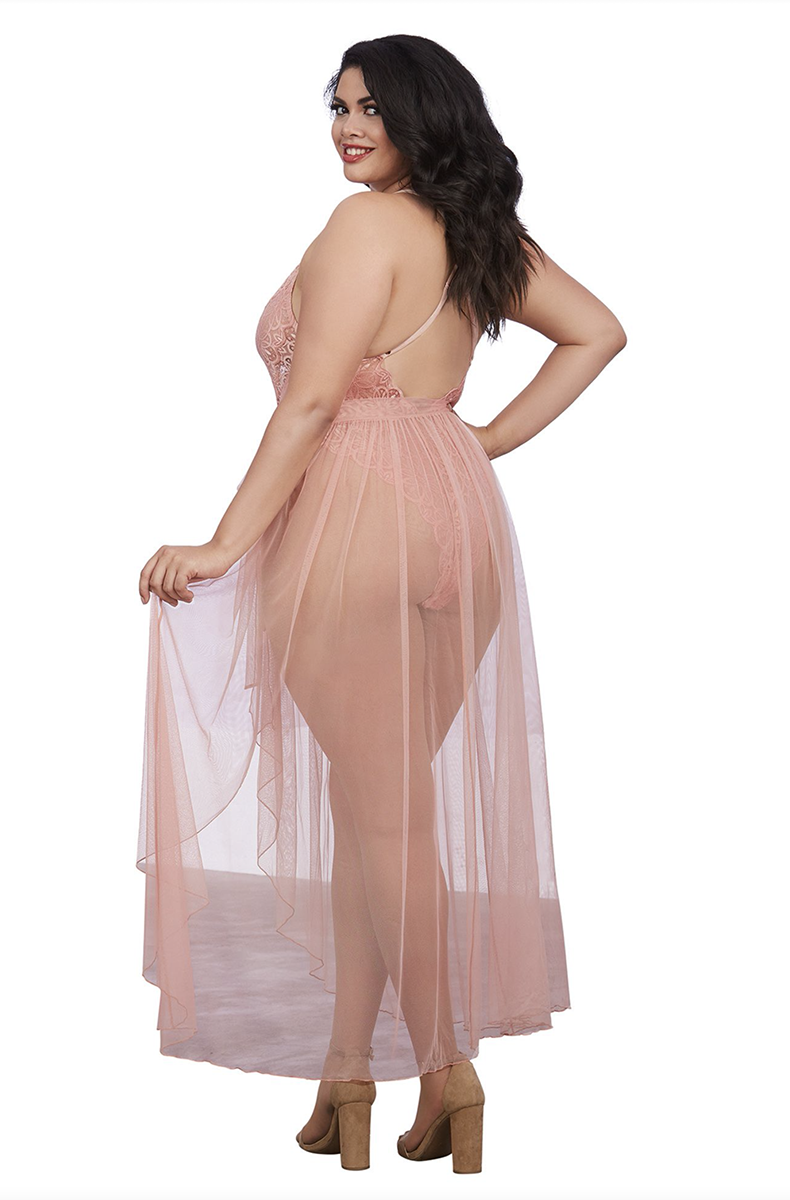
It is the cheapest way to turn one piece into an outfit. A teddy on its own is lingerie. The same teddy under a floor length tulle skirt is a look, and the skirt comes off in one movement without undoing anything else. You get the silhouette of being dressed without any of the commitment of it, which is why these get worn for photographs far more often than anyone admits.
Two things decide whether a sheer skirt works on you. The waistband, because there is nothing else holding it up: a thin elastic rolls down over an evening and a wide band or a tie stays where you put it. And the length, because tulle at floor length moves when you move and tulle at the knee just hangs there. Given the choice between two lengths, take the longer one.
Grouped by length and cut, with the rest of each one next door.
If you want one piece to become an outfit: a sheer maxi over what you already own. Nothing underneath has to change. The skirt does all of it, and it comes off in one movement when you want it gone.
On the waistband: wide or tied beats thin elastic. A sheer skirt has no weight and no structure, so the band is the only thing keeping it at your waist. A narrow elastic will roll on you and you will spend the night pulling it back up.
On length: long moves, short hangs. Floor length tulle drifts behind you and catches light through the layers. A shorter cut sits still and reads as a garment rather than as a moment.
If you want the straps: suspender and garter styles. The lines running down the thigh are what people actually look at, and they work whether the skirt is sheer or not.
If you are shopping for a festival: go to the rave bottoms instead. Sequin, holographic and fringe skirts are built to survive a crowd and a day outdoors. See rave and festival bottoms for those.
On care: hand wash cold and hang to dry. Tulle and mesh snag on rings, nails and rough heels, and a machine will find every weak seam in one cycle. See all lingerie for the rest of the range.