Postpartum

Postpartum recovery does not run on a schedule, and nothing on this page assumes you should be further along than you are. You will find hot and cold compresses, warming pads, intimate moisturizer, pH balanced washes and wipes, depth limiting rings, dilators and pelvic massagers.

Recently viewed

What is a postpartum recovery product?

A postpartum recovery product is anything that supports the body in the weeks and months after birth. Three separate jobs sit under that: healing the tissue that took the impact, managing the dryness that comes with breastfeeding, and getting back to sex on your own timeline.

The six week checkup is a health check, not a starting gun. Most people are ready later than that and a fair number considerably later. Wanting nothing to do with sex after a day of having a baby on you is a hormonal reality rather than a personal failing, and it resolves on its own schedule.

The fact that catches most people out: breastfeeding suppresses estrogen, and low estrogen thins and dries vaginal tissue in a way that has nothing to do with arousal. That is why sex can still hurt months after everything has healed. A moisturizer and a lubricant are also not the same product. A moisturizer works on the tissue itself a few times a week, a lubricant reduces friction in the moment, and plenty of people use both.

Types of postpartum

Recovery moves through stages, and different products matter at each one.

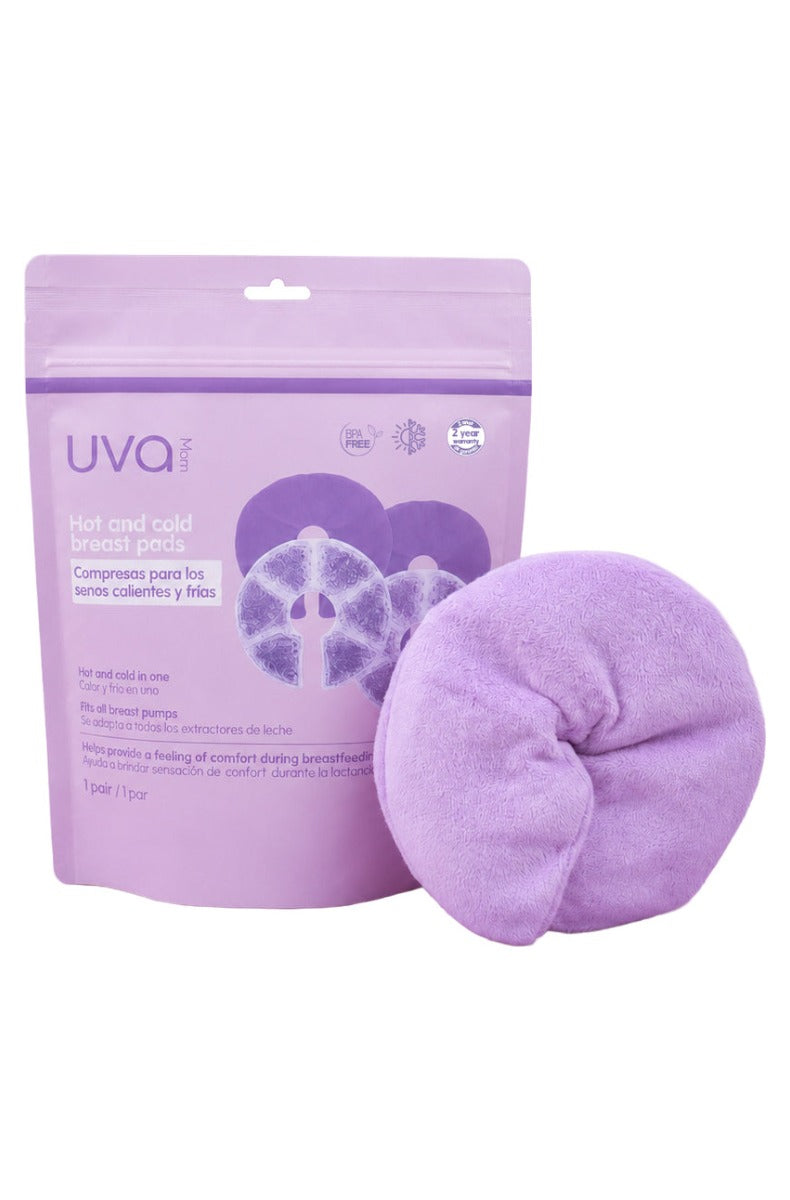
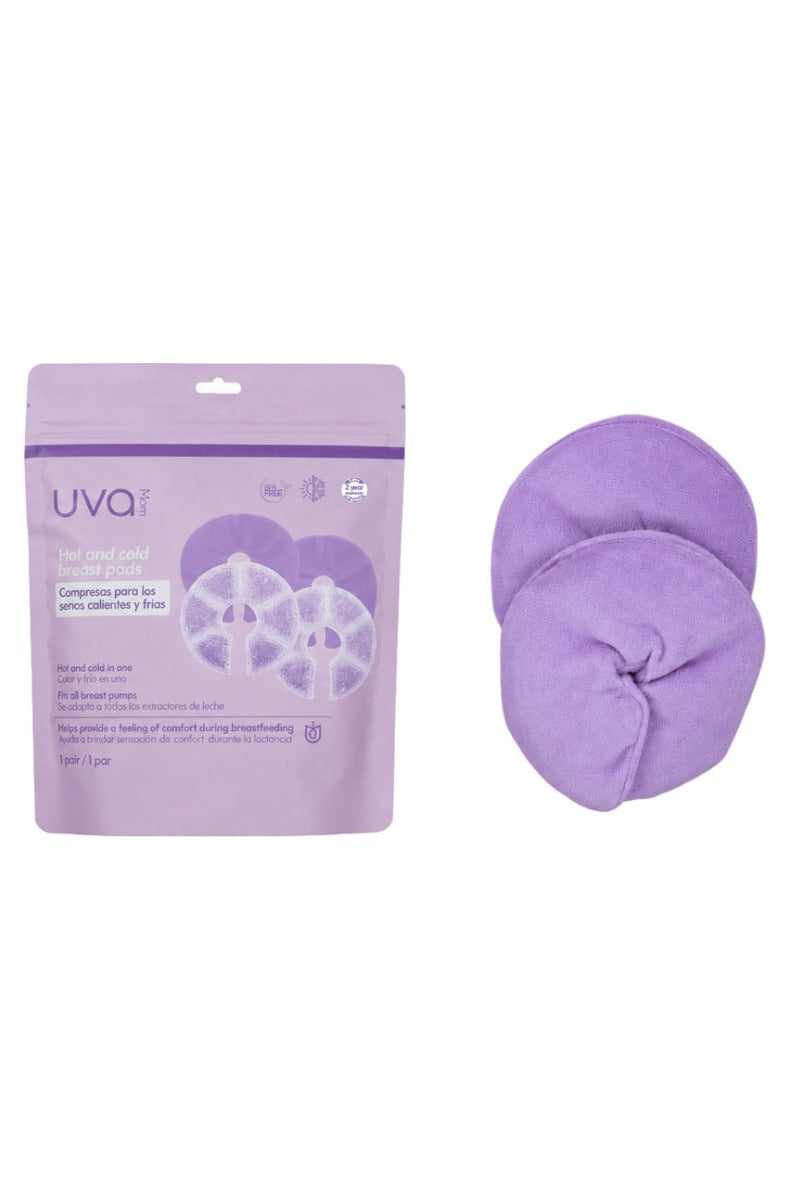
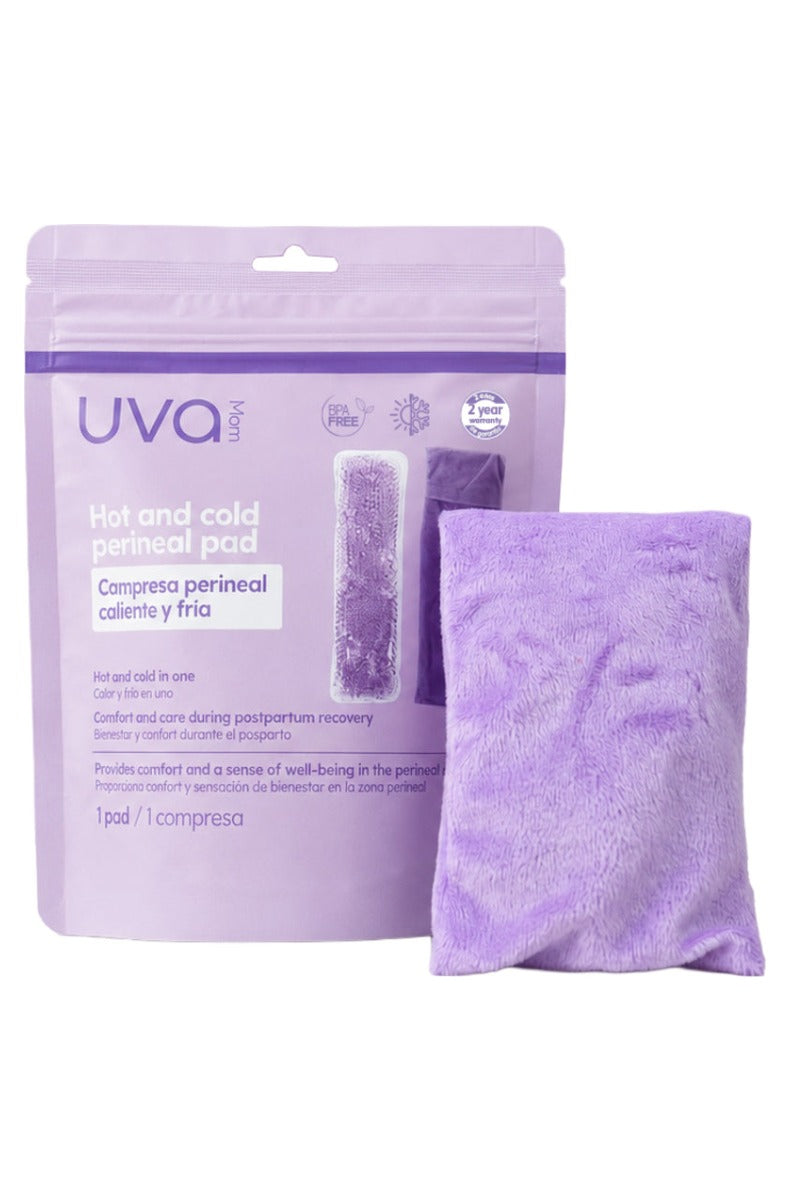
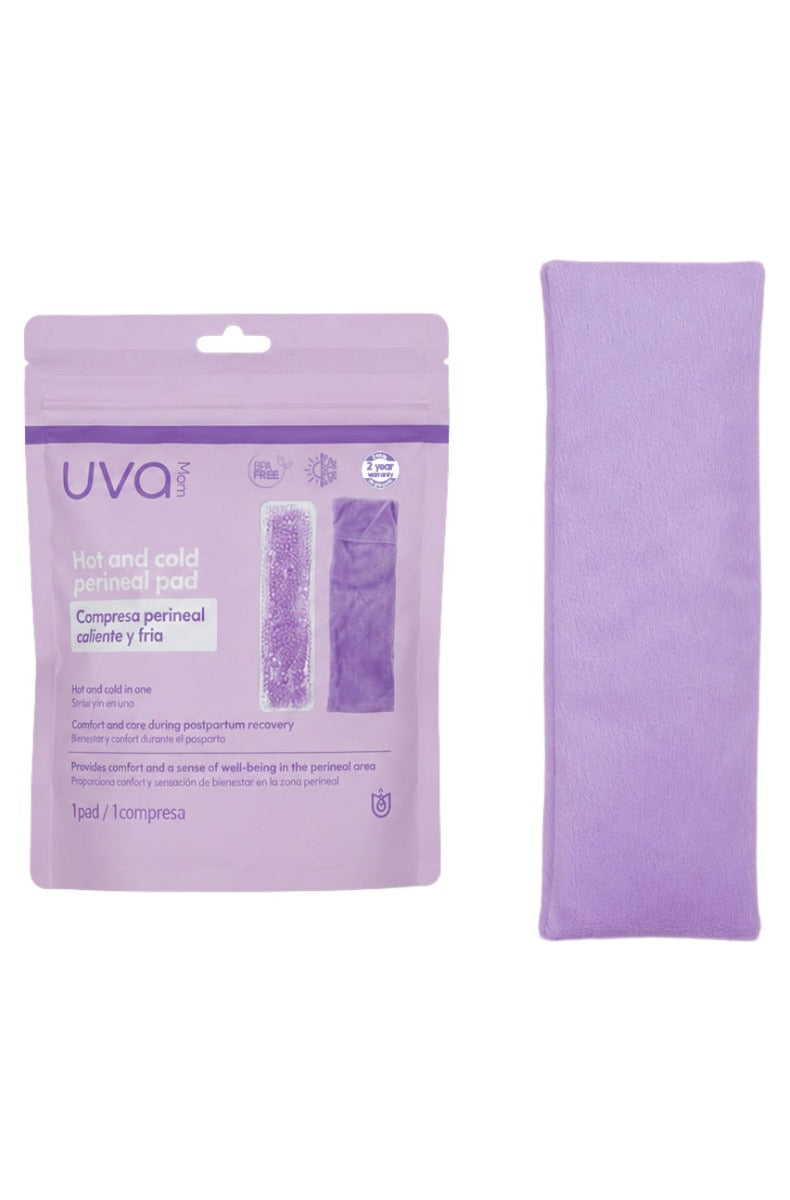
  • Hot and cold compresses: perineal and breast pads that chill for swelling and tenderness in the first days, then warm later on when heat is the more comfortable option.
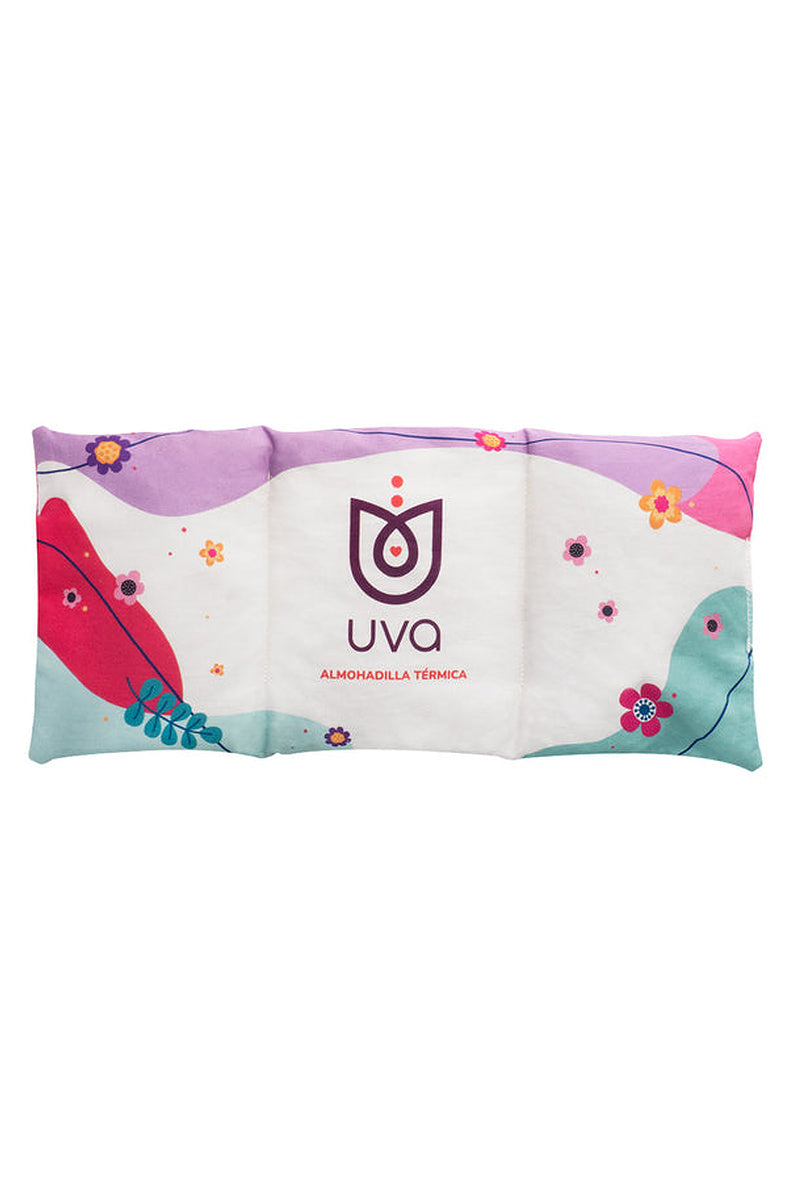
  • Warming pads: heat for afterpains and general soreness, which carry on well past the first week and often longer than anyone warns you.
  • Intimate moisturizers: applied a few times a week to work on the tissue itself. This is the answer to dryness that persists, as opposed to friction in the moment.
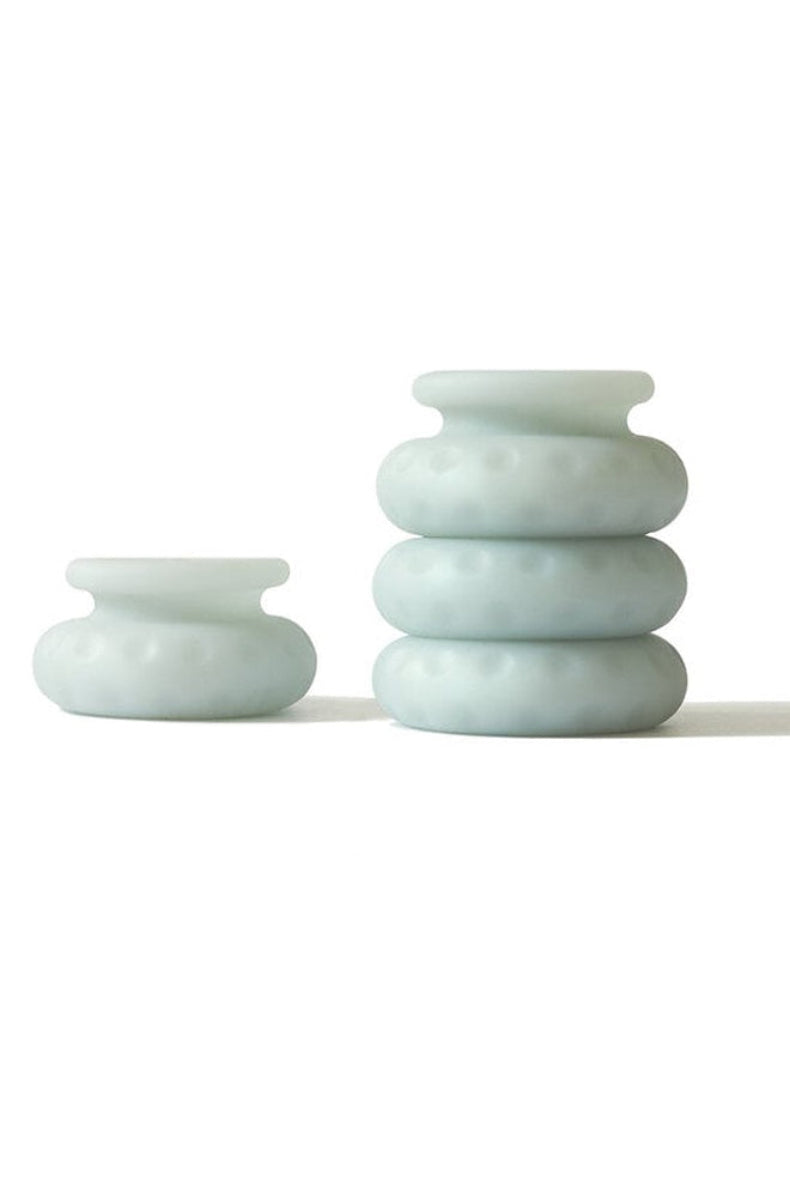
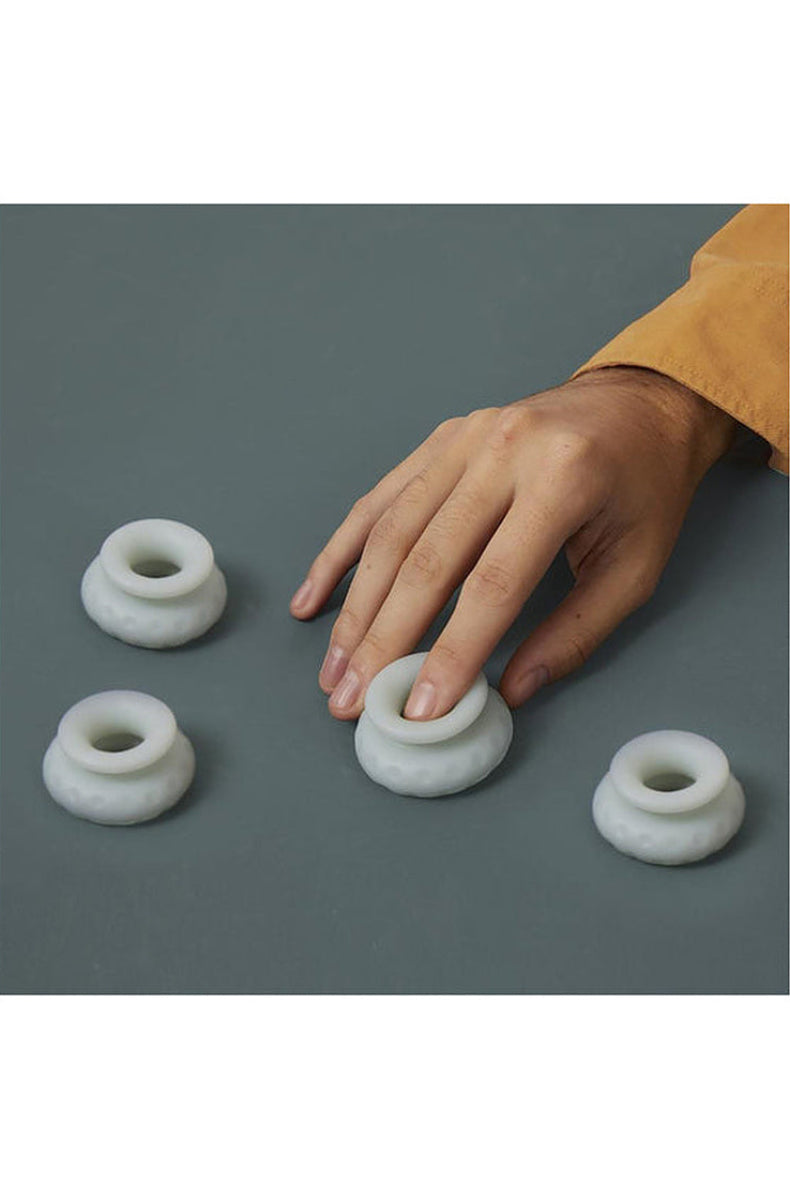
  • Depth limiting rings: soft rings that stack at the base so penetration stops exactly where you want it. A mechanical answer to a mechanical problem.
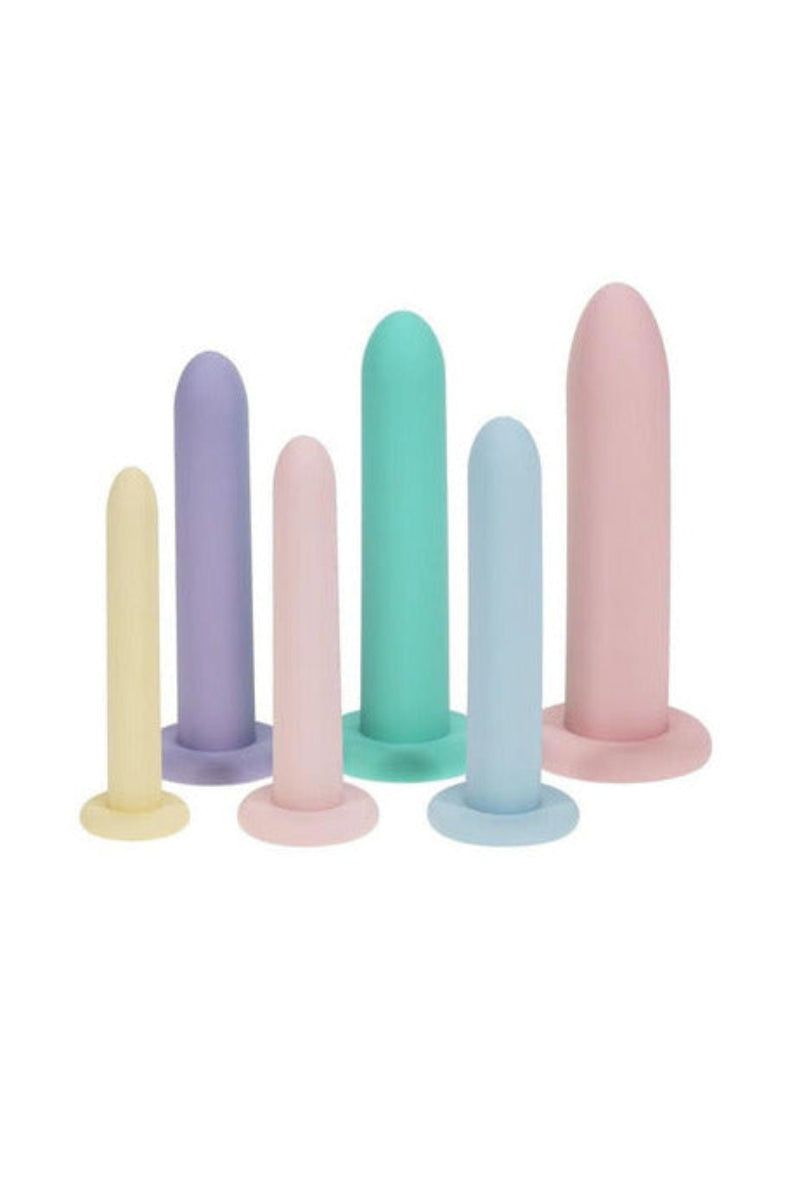
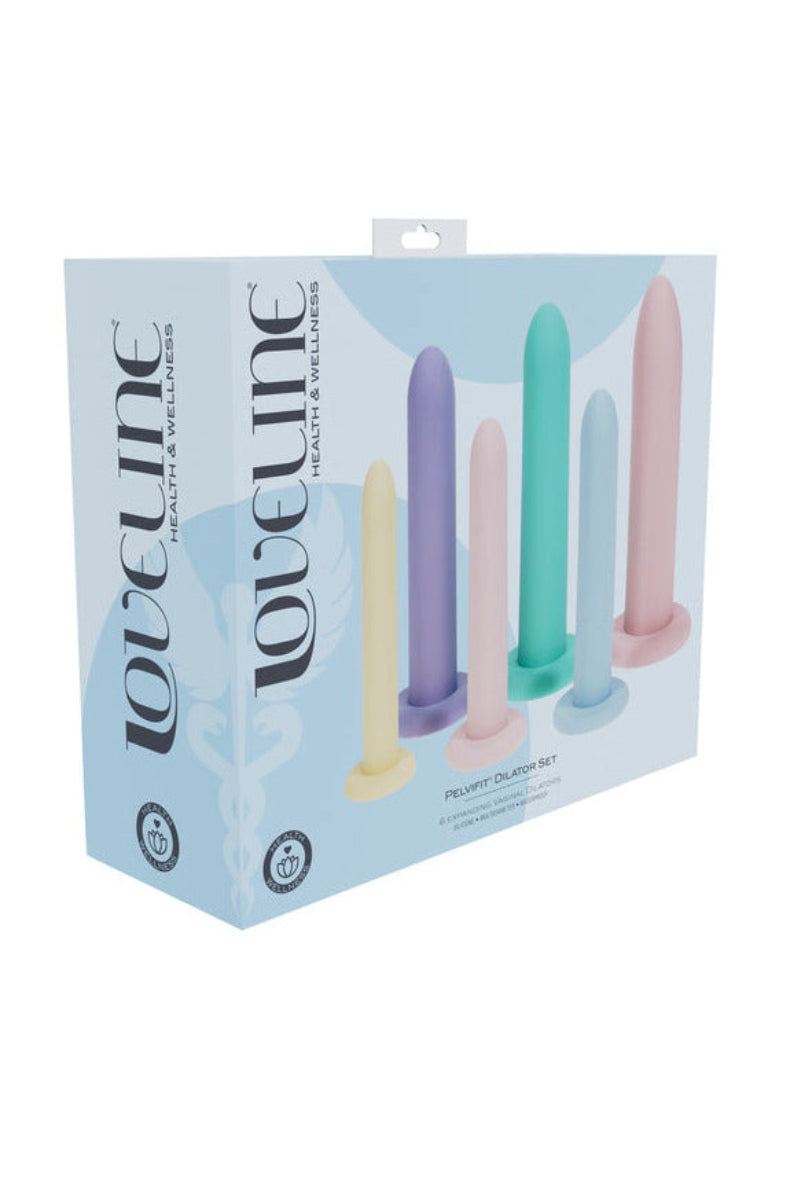
  • Dilators and pelvic floor trainers: graduated sizes for working back to comfortable penetration, and weighted trainers for strength. Both are standard tools in pelvic floor physical therapy.
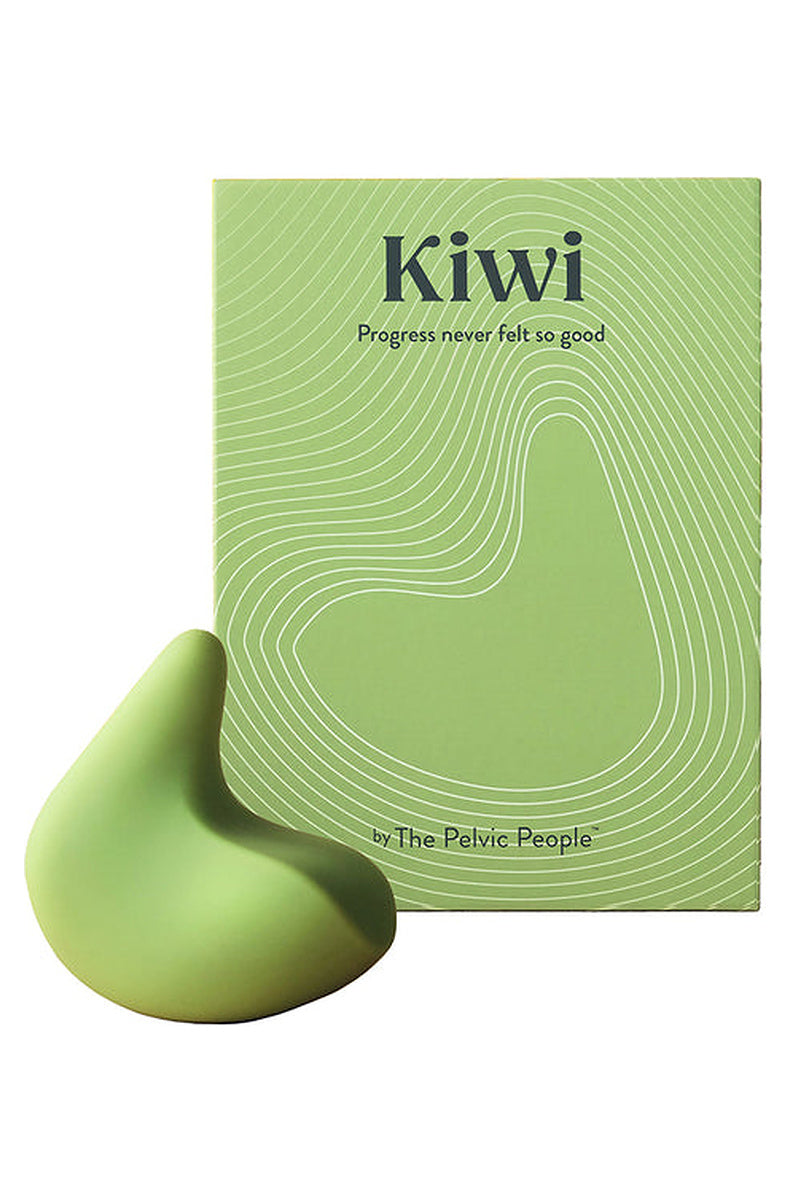
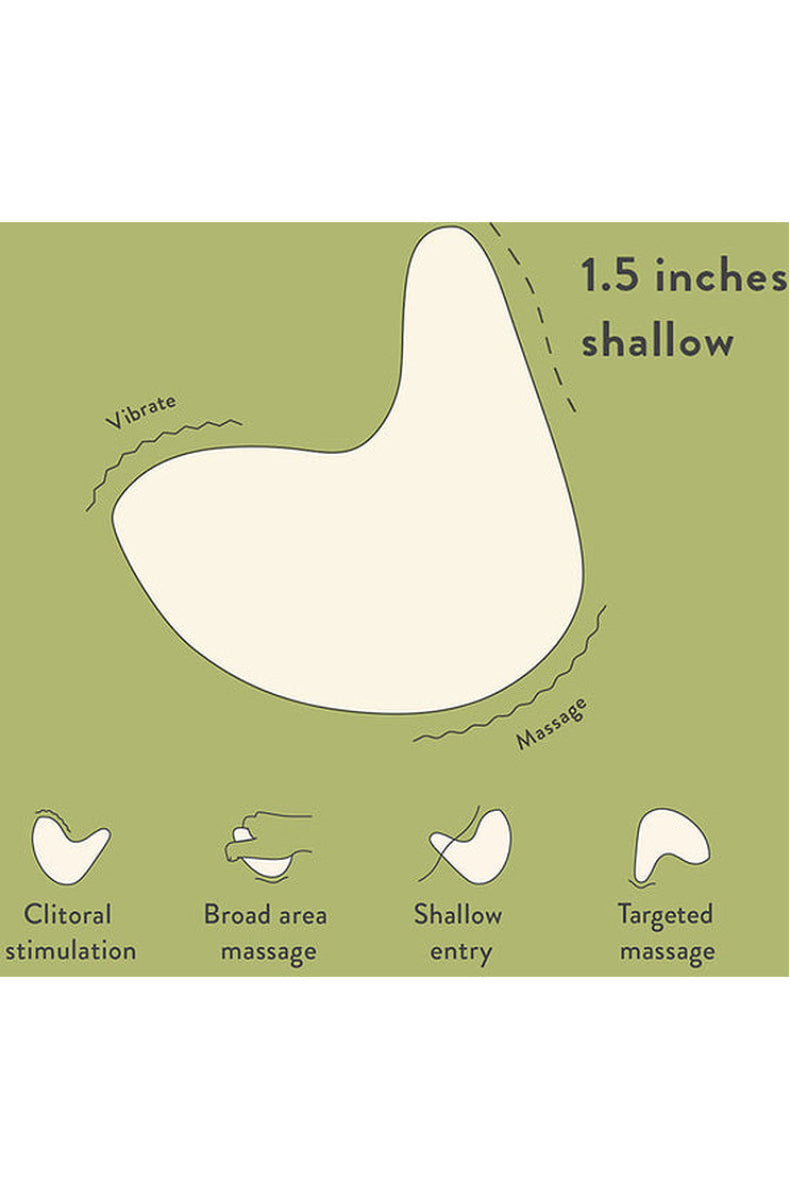
  • Pelvic massagers: external and gentle, for the muscle around the pelvic floor rather than inside it. A reasonable place to start when you are reconnecting with your own body.
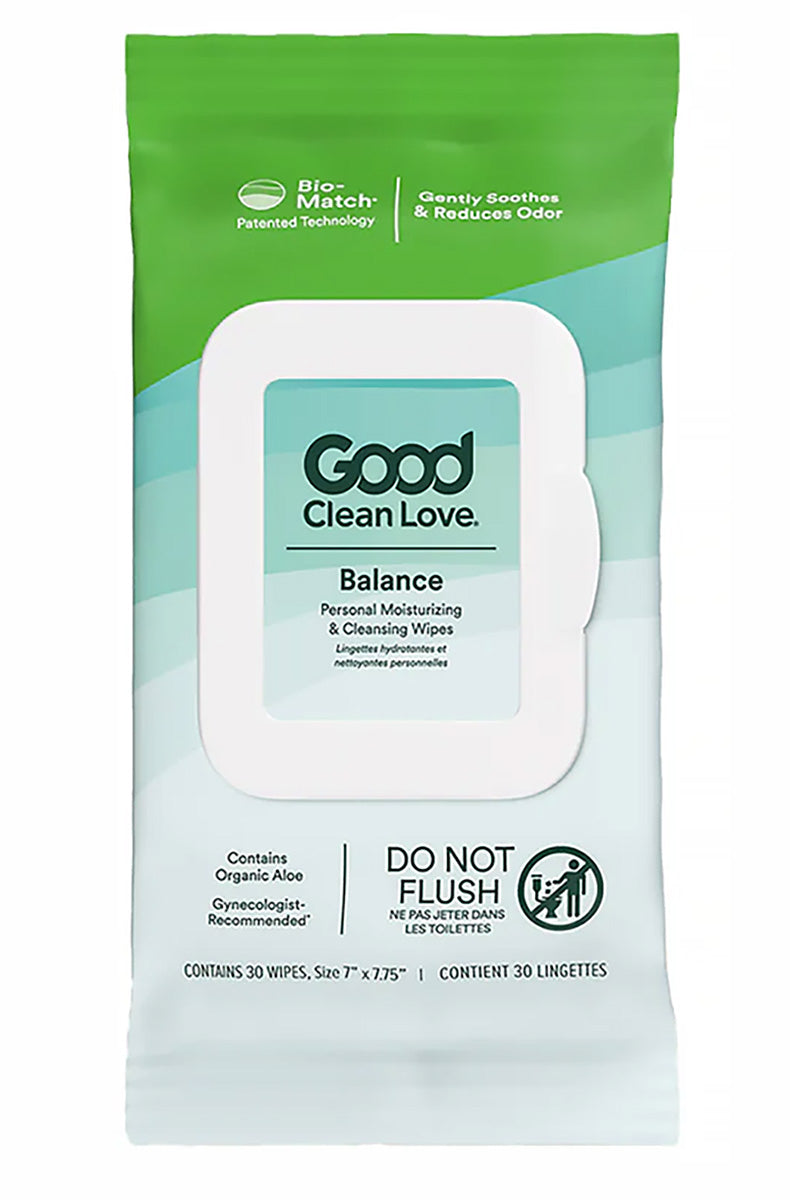
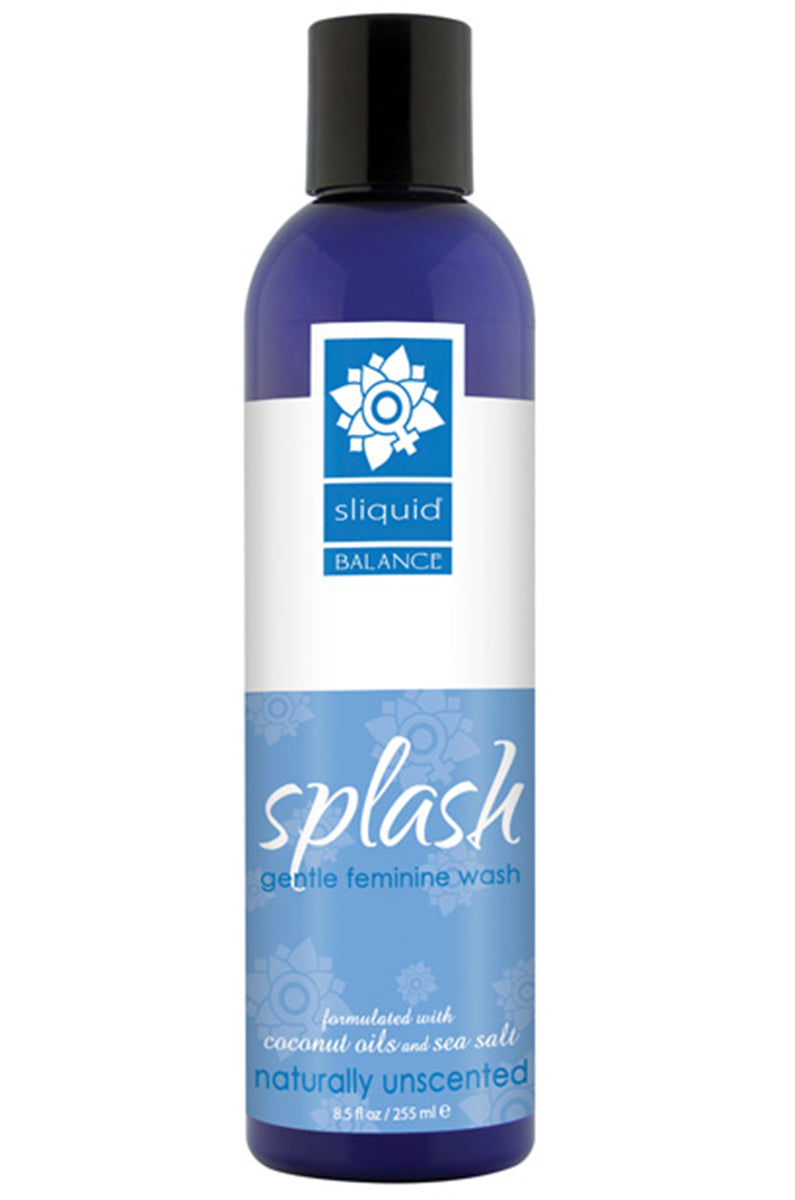
  • pH balanced washes and wipes: unscented and mild enough for the weeks when everything is still tender.

How to choose the right one

If you are in the first weeks: cold first, heat later. Perineal and breast compresses are the whole job at this stage, and the same pad covers both phases as things change.

If sex has started again and it hurts: a moisturizer for the tissue, and a lubricant for the moment. The moisturizer is here. For the lubricant, water based is the default, and nothing warming, cooling, tingling or flavored while tissue is still sensitive.

If it hurts at a particular depth rather than at the entrance: depth limiting rings. They stack at the base so penetration stops where you want it, and you add or remove rings as that changes.

If you are working with a pelvic floor PT: buy the graduated dilator set, not a single size. The progression is the point, and a set lets you move at whatever pace your body allows rather than the pace you hoped for.

On materials and safety: body safe, non porous, unscented. Oil based products break down latex condoms, and pregnancy is possible three weeks after birth even while breastfeeding.

Nothing here treats pain. If sex hurts, if you are bleeding, or if things are not improving, that is worth taking to a doctor or a pelvic floor physical therapist. We are not clinicians.