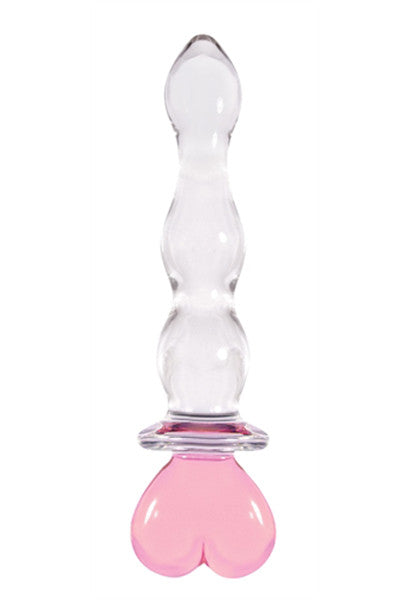
Glass Dildos

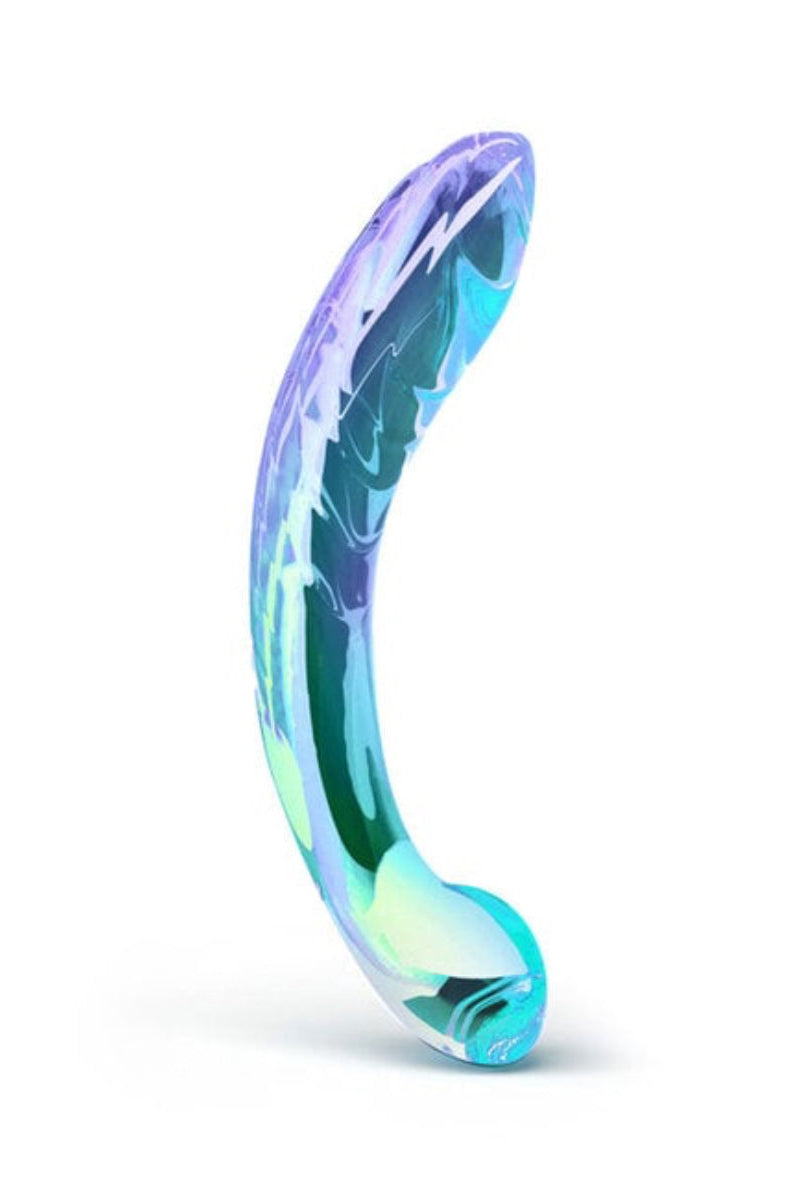
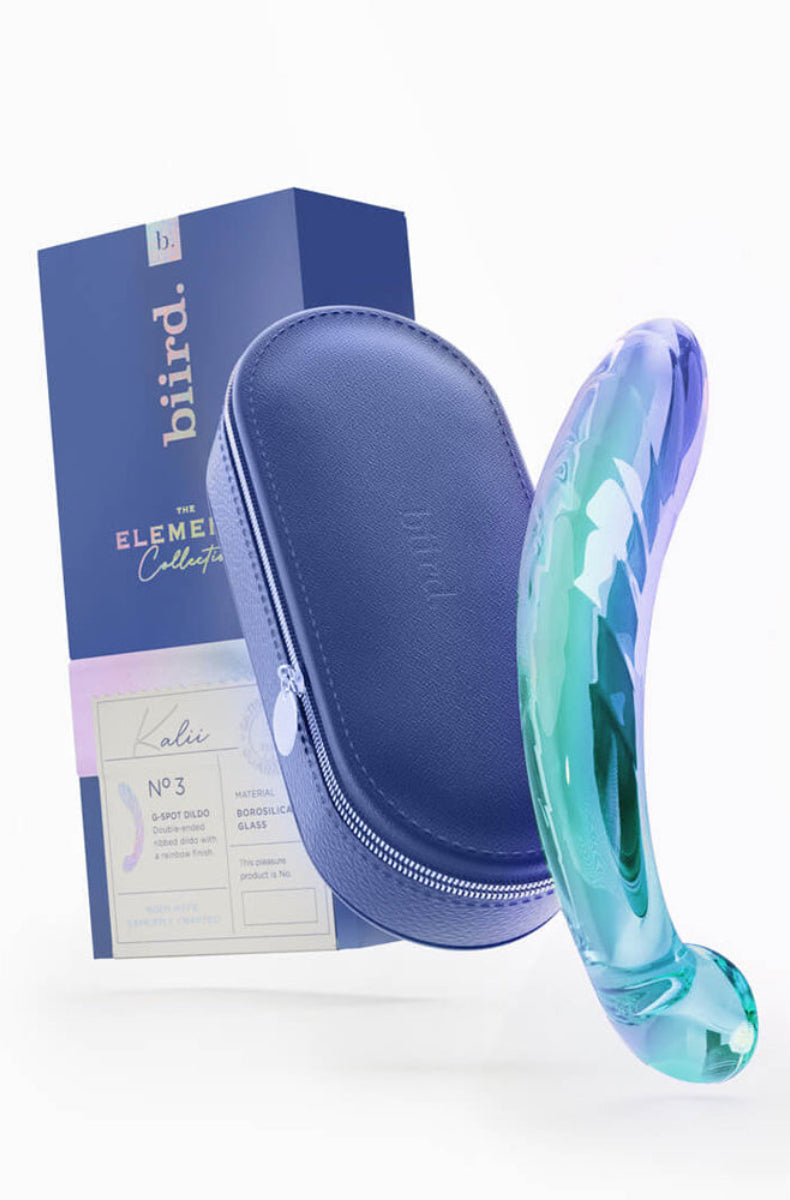
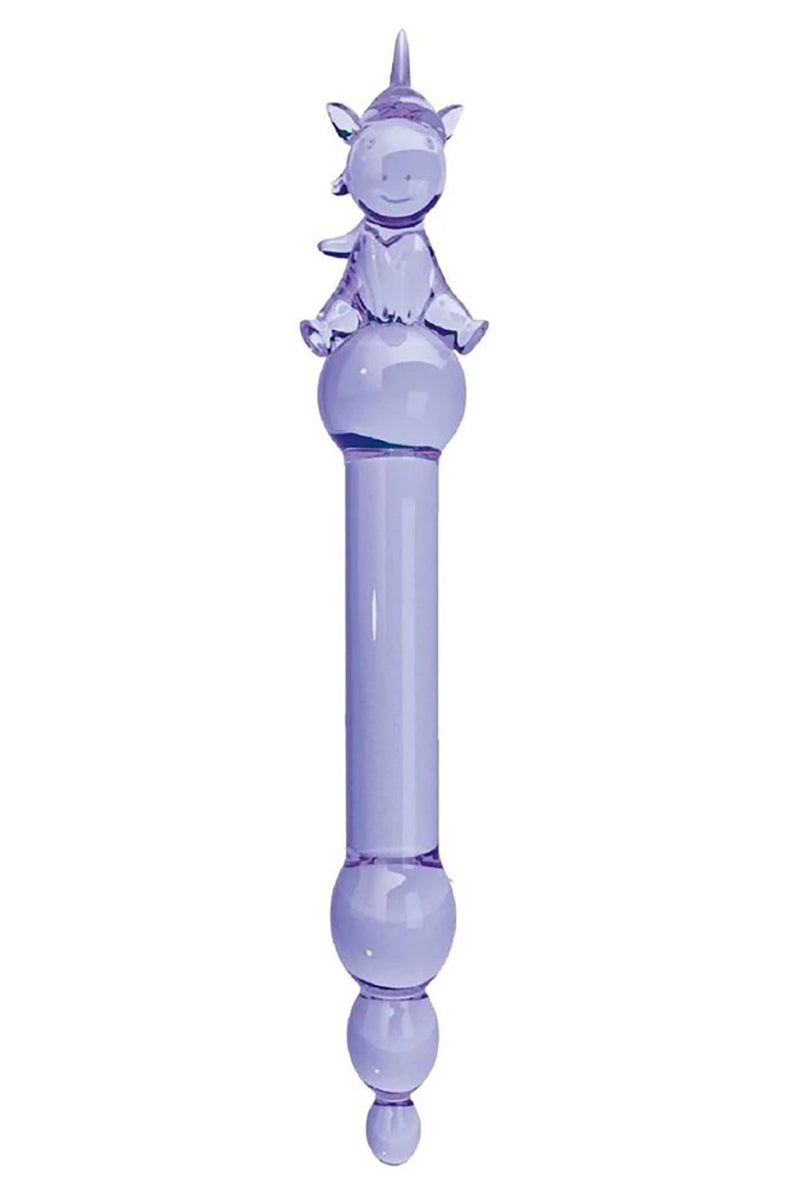
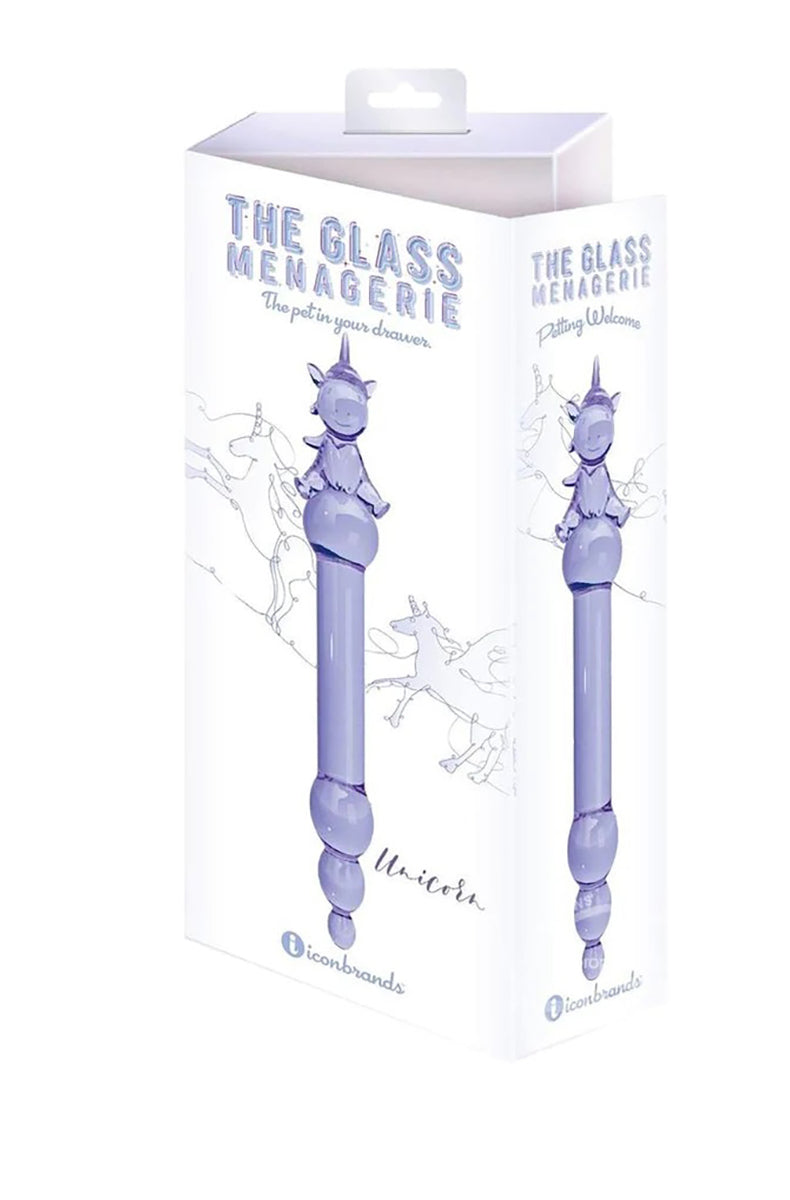
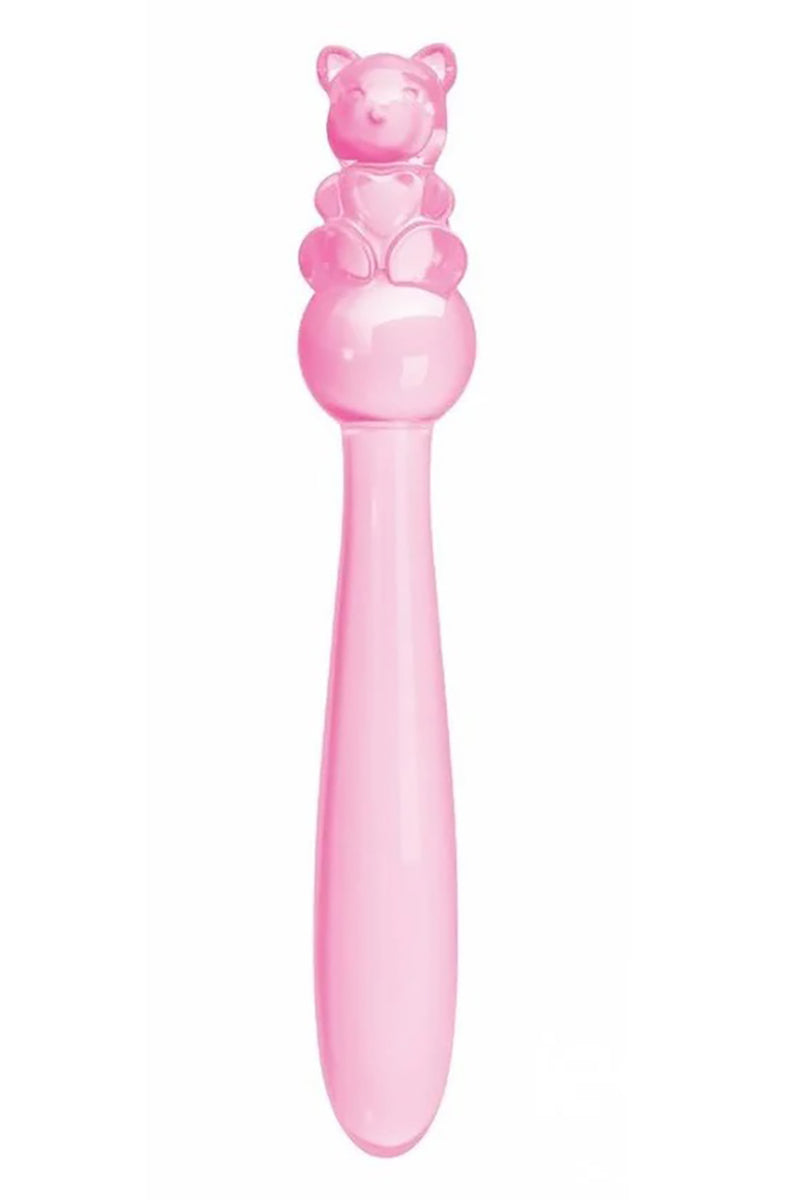
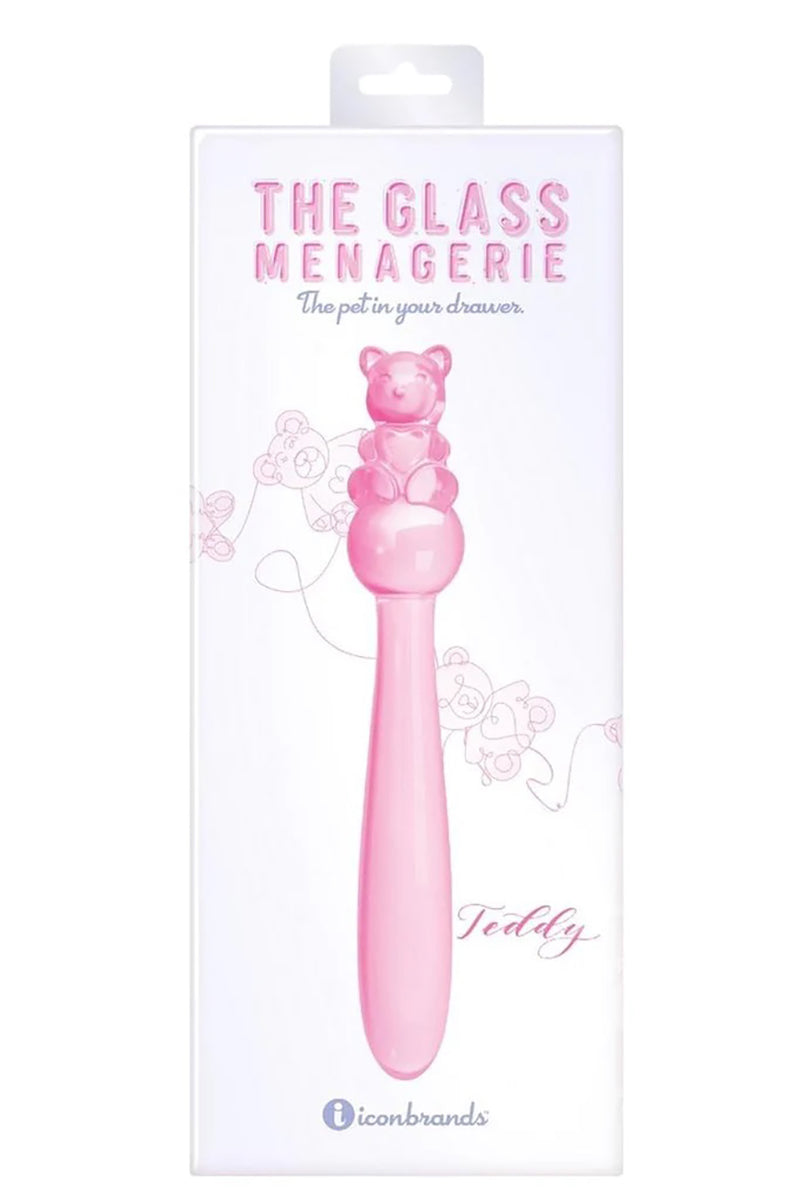
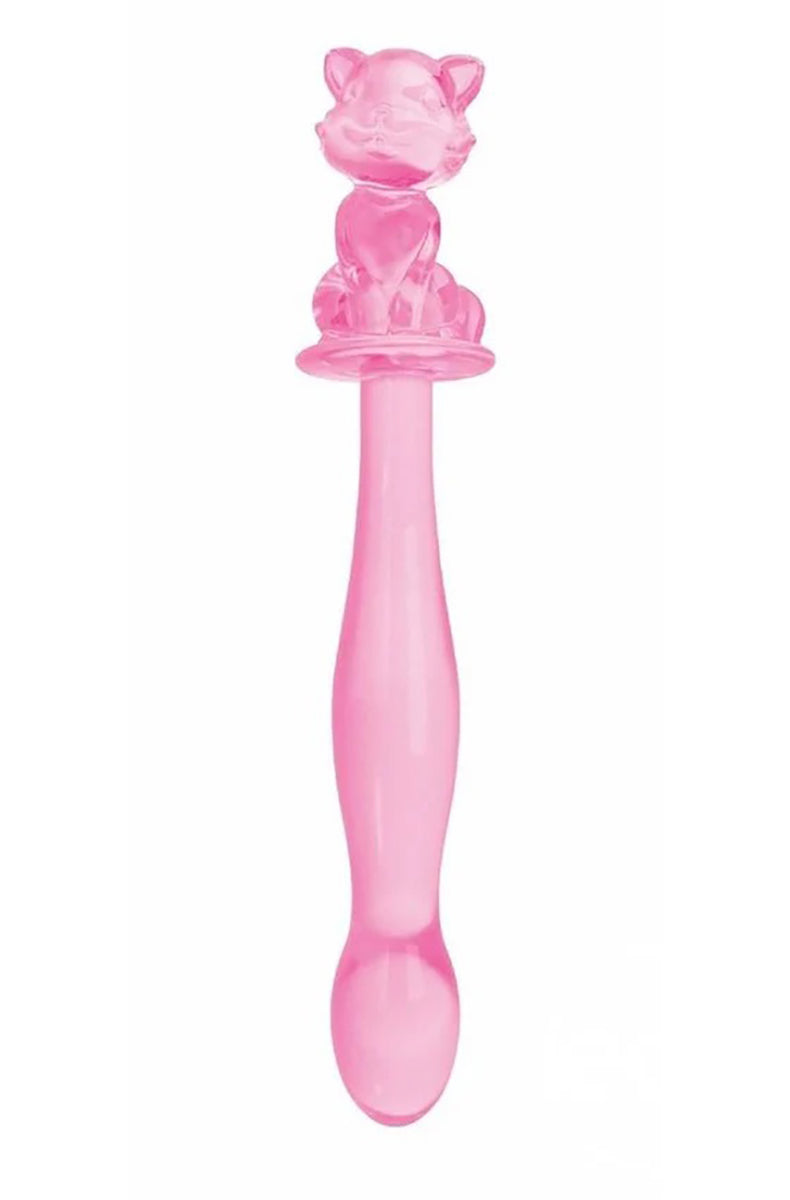
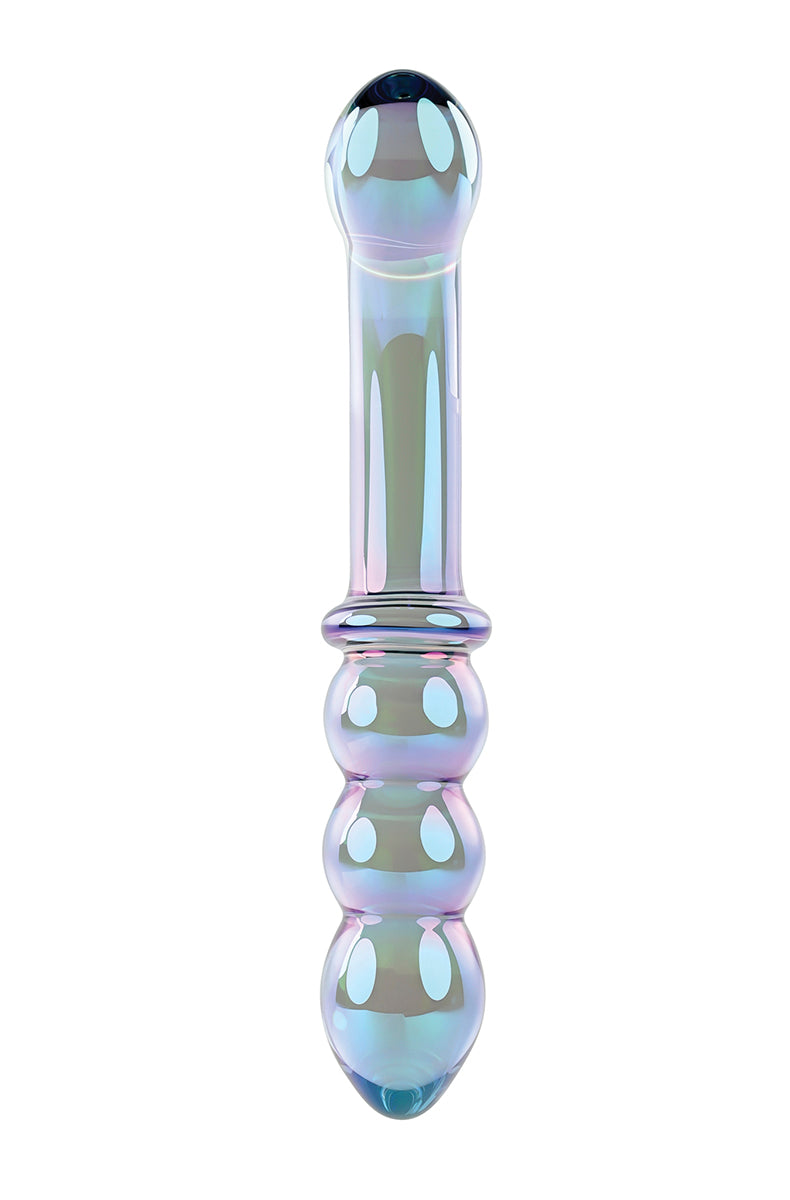
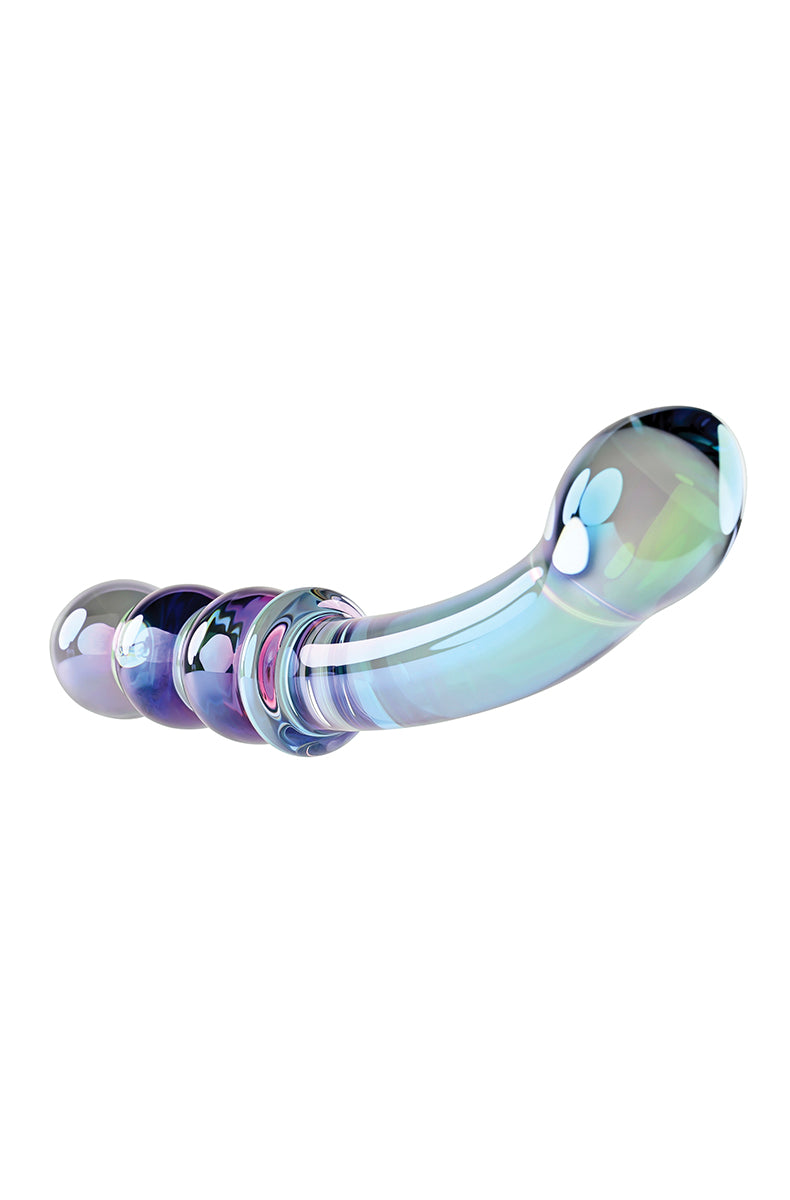
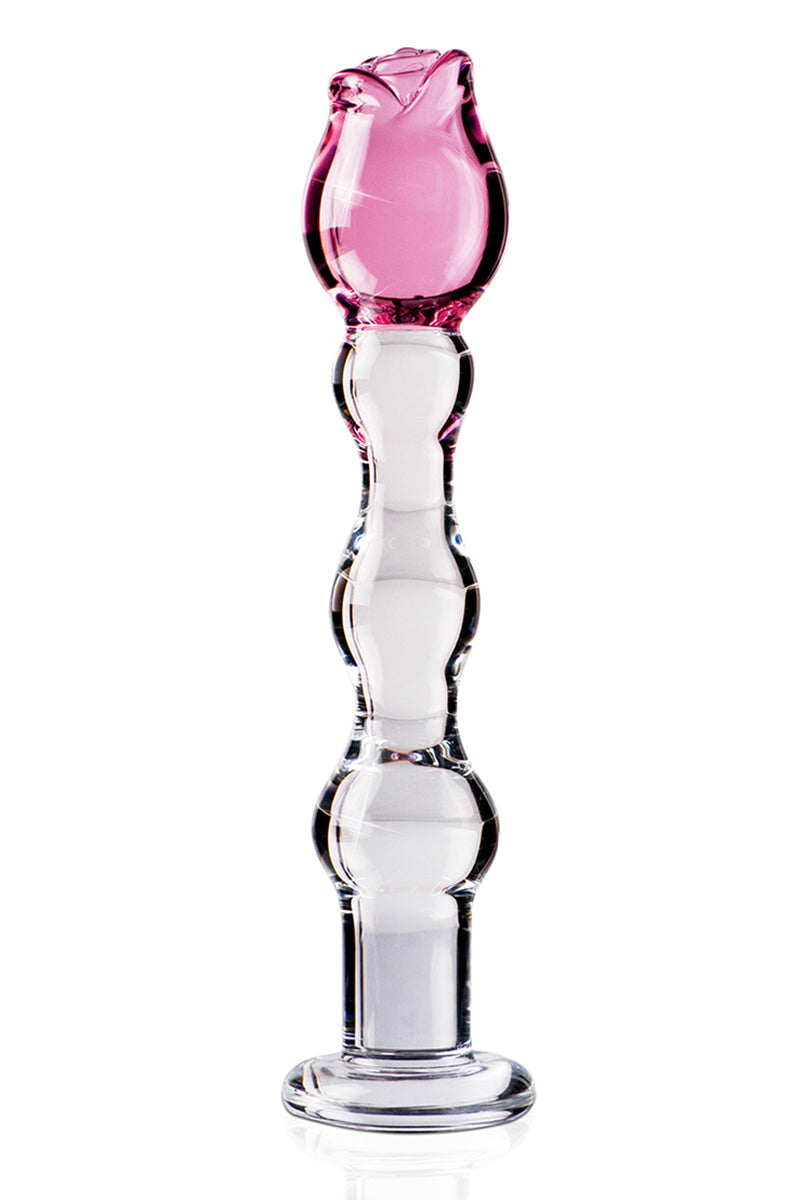
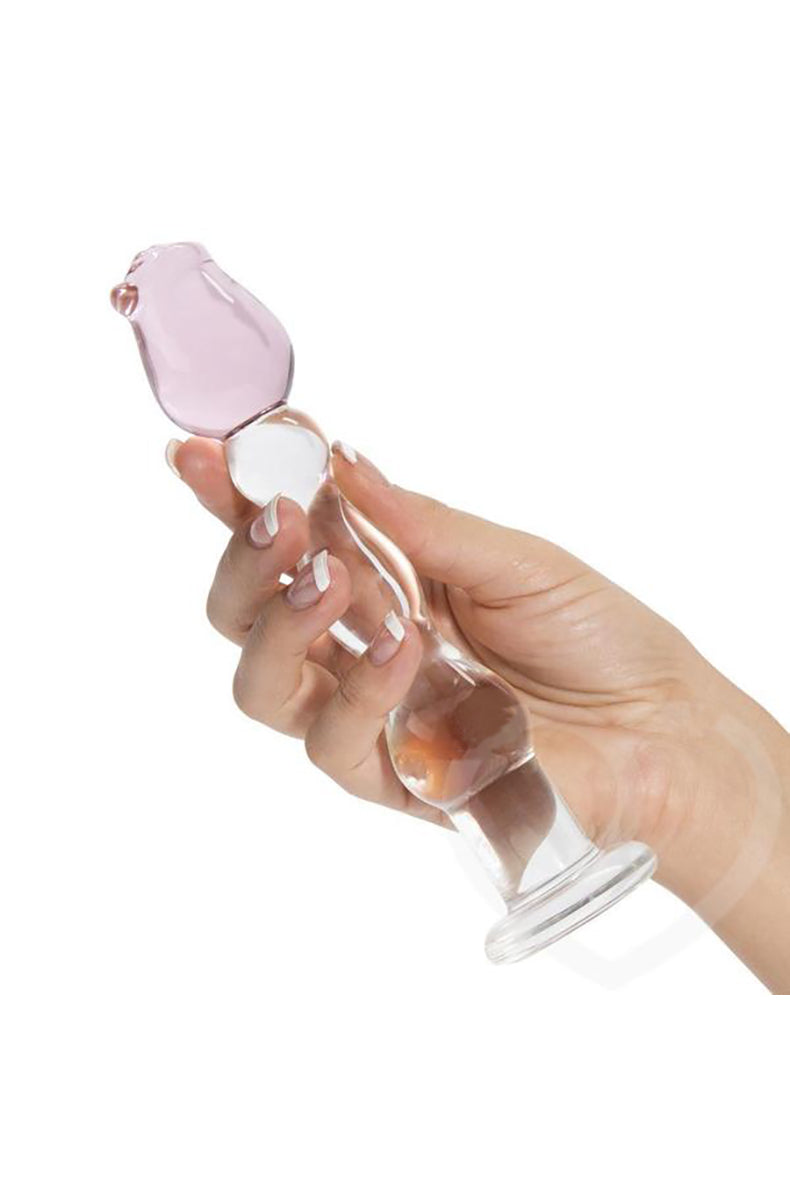
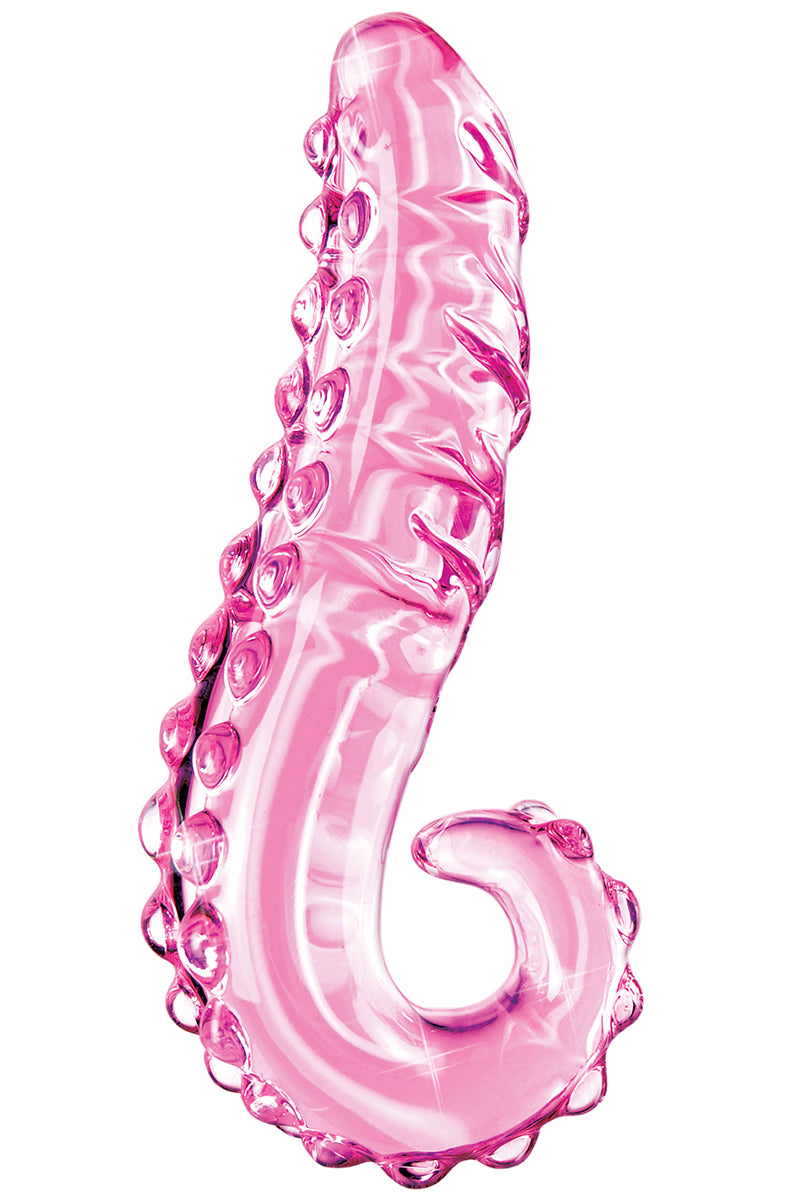
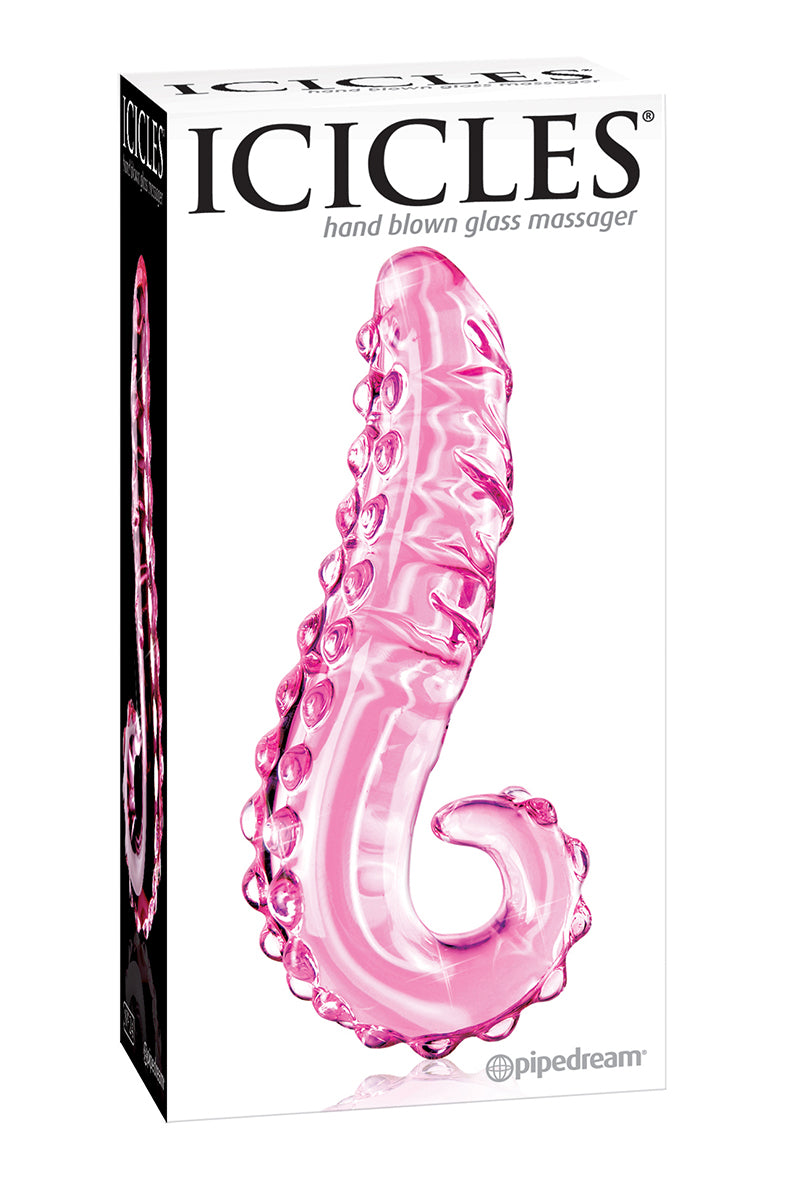
Glass dildos are rigid, non-porous and completely smooth, which is what separates them from silicone. This collection holds borosilicate glass in clear, colored and hand-blown styles, including unicorn horns, teddy bears and G-spot curves.

Recently viewed

What is a glass dildo?

A glass dildo is made from borosilicate glass, the same material used in lab equipment, which is why it holds up to normal use rather than shattering. It is non-porous, so nothing soaks in, and it works with every lube including silicone-based, which silicone toys do not.

The reason to pick glass over silicone is temperature. Run it under warm water or leave it in the fridge and it holds that temperature long enough to matter. Nothing else in a toy drawer does that.

It is completely rigid, and reactions to that are split. Some people want exactly that, others find it unforgiving. Fit is personal here, so if you have only used silicone, glass is a better second toy than a first. Inspect it before every use the way you would any glass item, and retire one that is chipped.

Types of glass dildos

Glass gets to hold shapes that softer materials cannot:

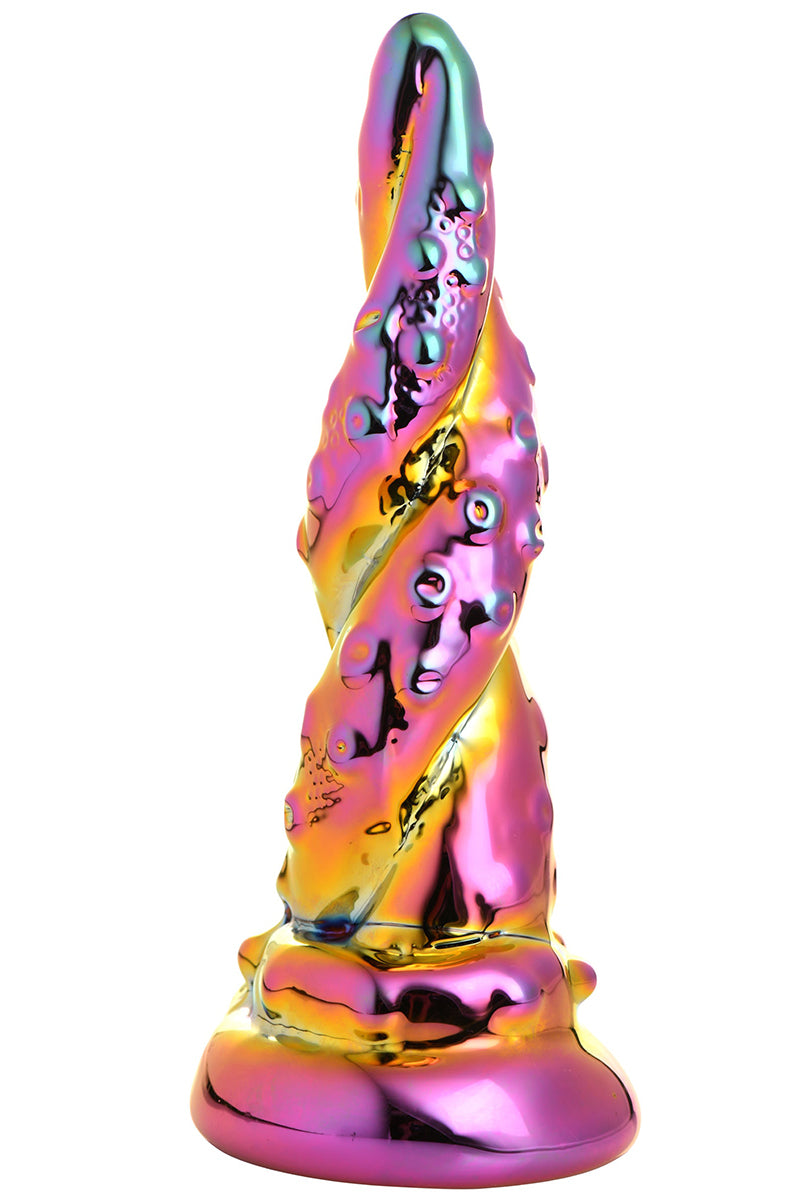
  • Hand-blown and swirled glass: colored glass worked while molten, so no two come out quite identical. The look is a large part of the point.
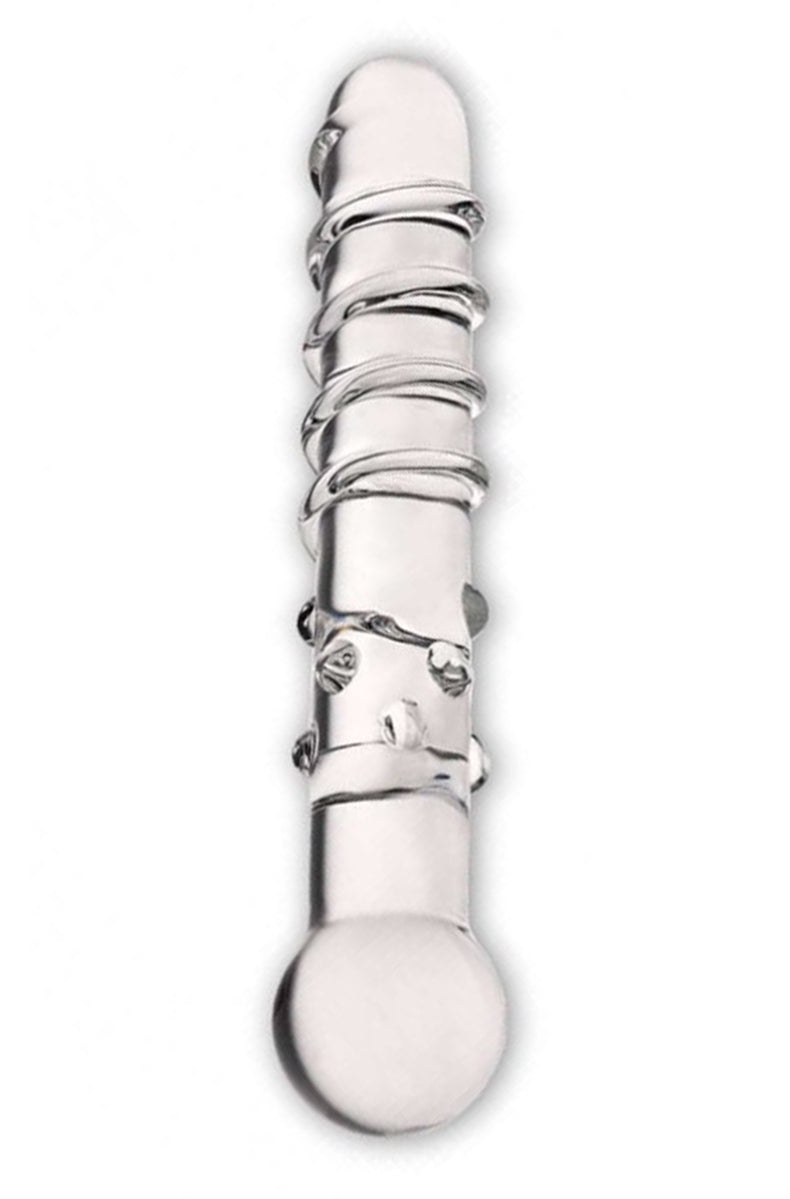
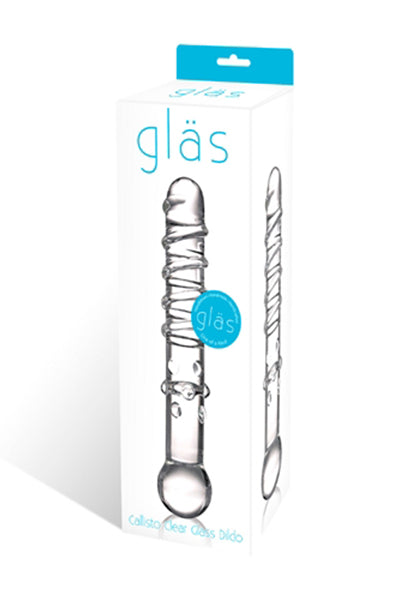
  • Clear glass: plain borosilicate. Usually the most affordable, and the easiest to inspect for chips.
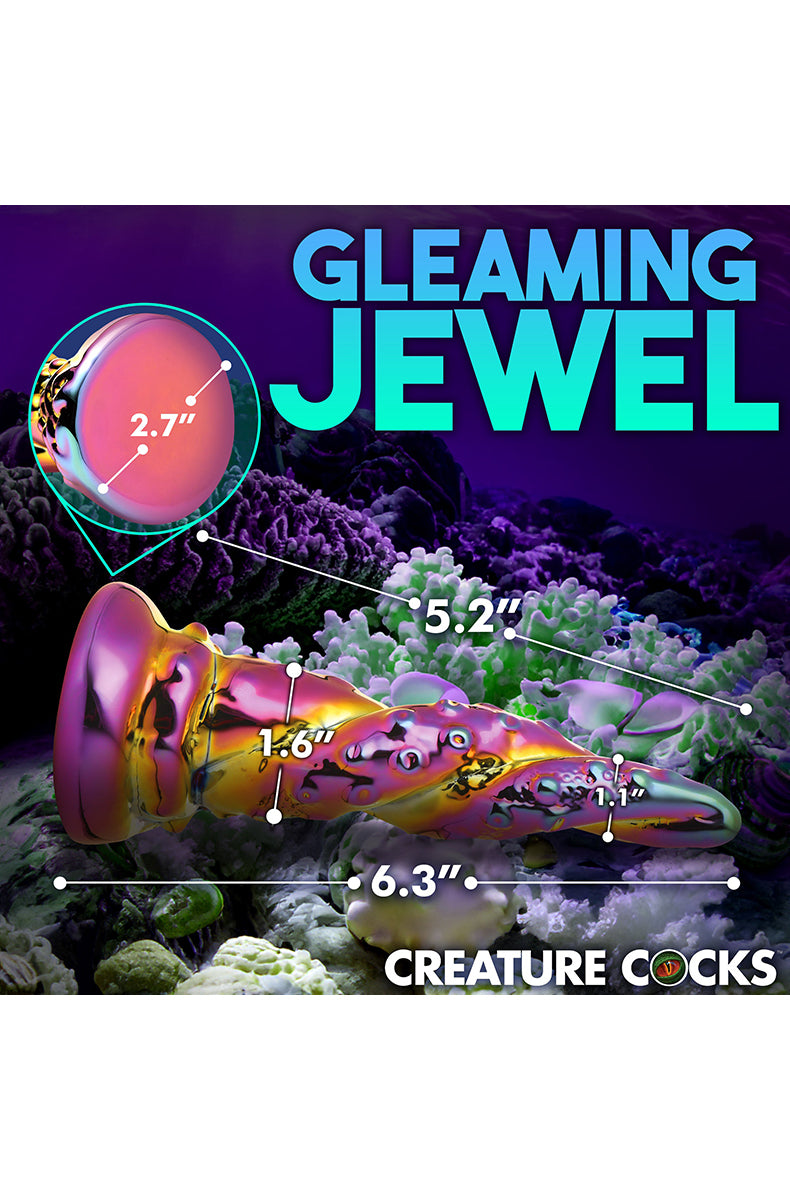
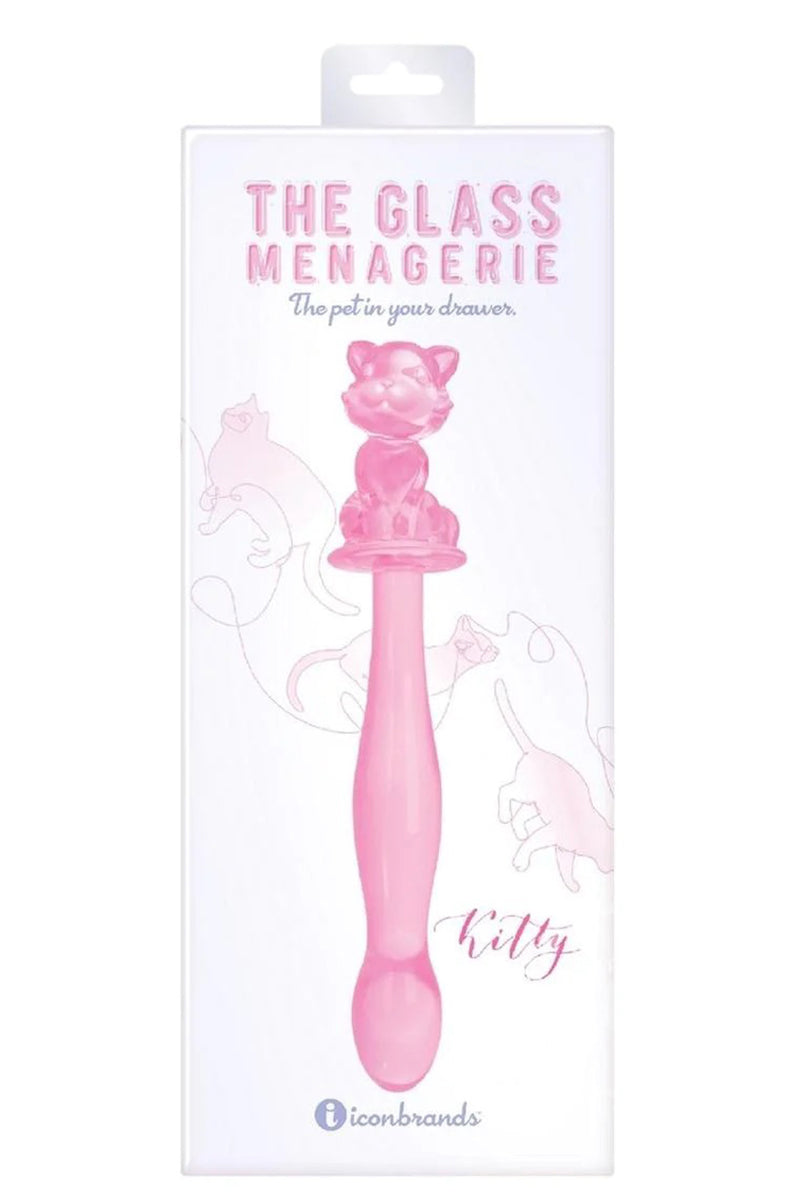
  • Novelty and fantasy shapes: unicorn horns, teddy bears and kitties. This is where glass does things silicone cannot hold.
  • G-spot curves: a bend and a bulb at one end. Rigidity helps here, because nothing flexes away from the pressure.
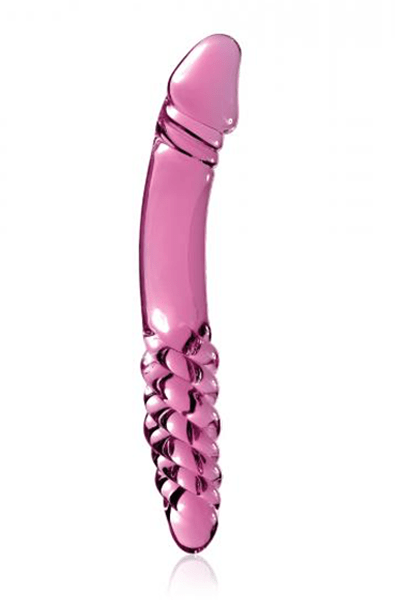
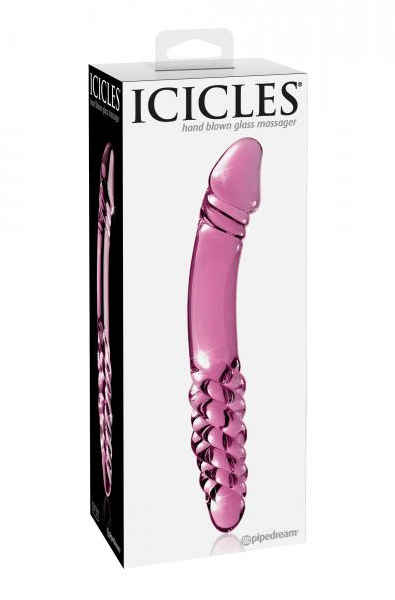
  • Double-ended: a different shape at each end, so one toy covers two sensations.

If you want give instead of rigidity, silicone dildos is the other half of this decision, and dildos holds every material together. The novelty shapes overlap with unicorn sex toys and white dildos.

How to choose the right one

If you are choosing between glass and silicone: read the materials comparison first. Silicone vs glass covers what each one actually does differently, which is a more useful question than which is better.

If temperature play is why you are here: warm water, and the fridge rather than the freezer. Extreme swings are how glass gets stressed, and cold enough to stick to skin was never the goal.

If you are new to rigid toys: buy shorter and thinner than you think. Glass does not give at all, so a length that feels fine in silicone reads very differently here.

On lube: anything works, which is the quiet advantage. Silicone lube degrades silicone toys and does nothing at all to glass, so this is the one you can use your longest-lasting lube with.

On care: soap and water, and inspect it every time. Non-porous means it genuinely cleans, unlike porous materials. A toy cleaner is quicker. Retire anything chipped or cracked rather than working around it.