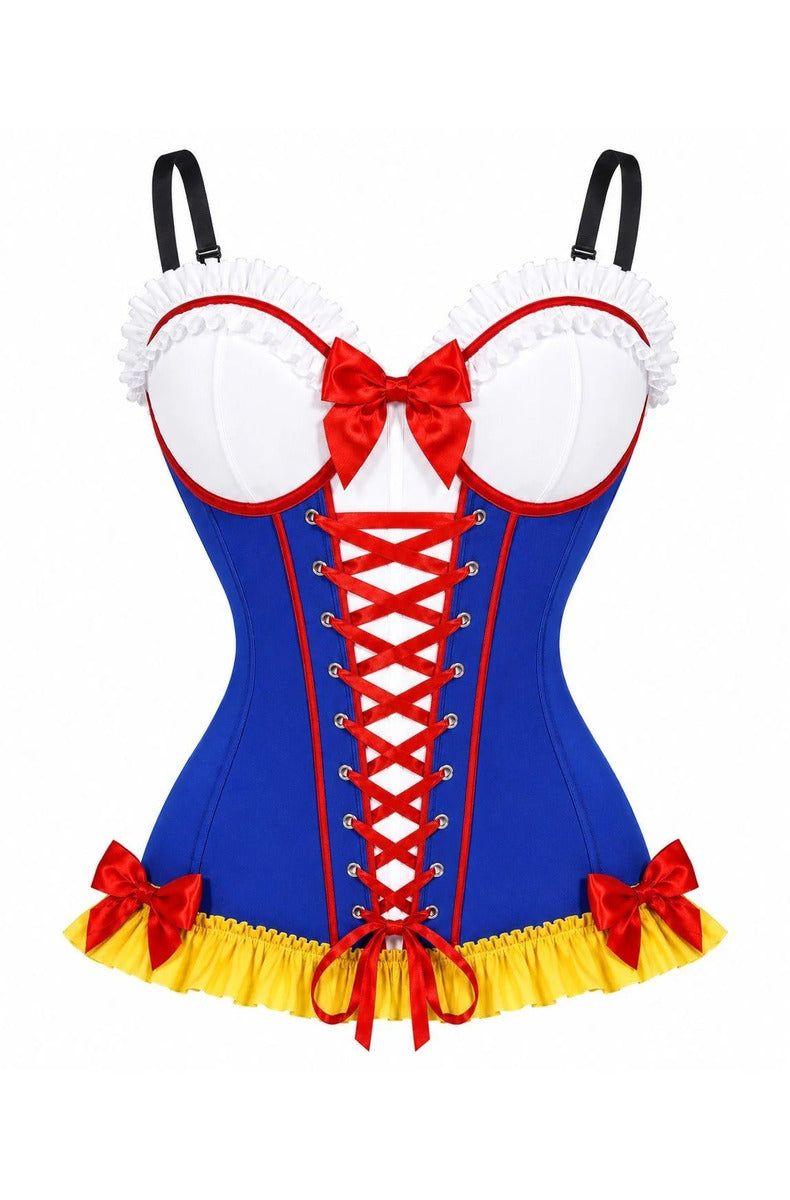
Corsets

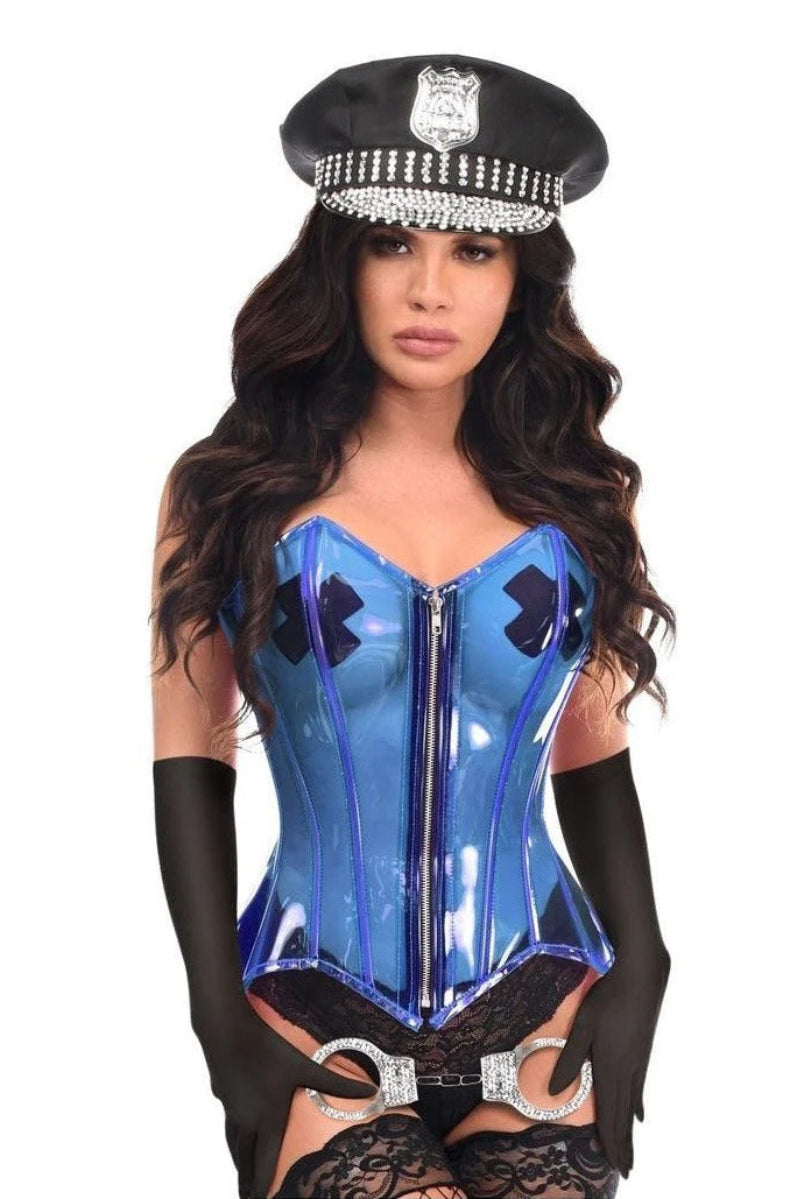
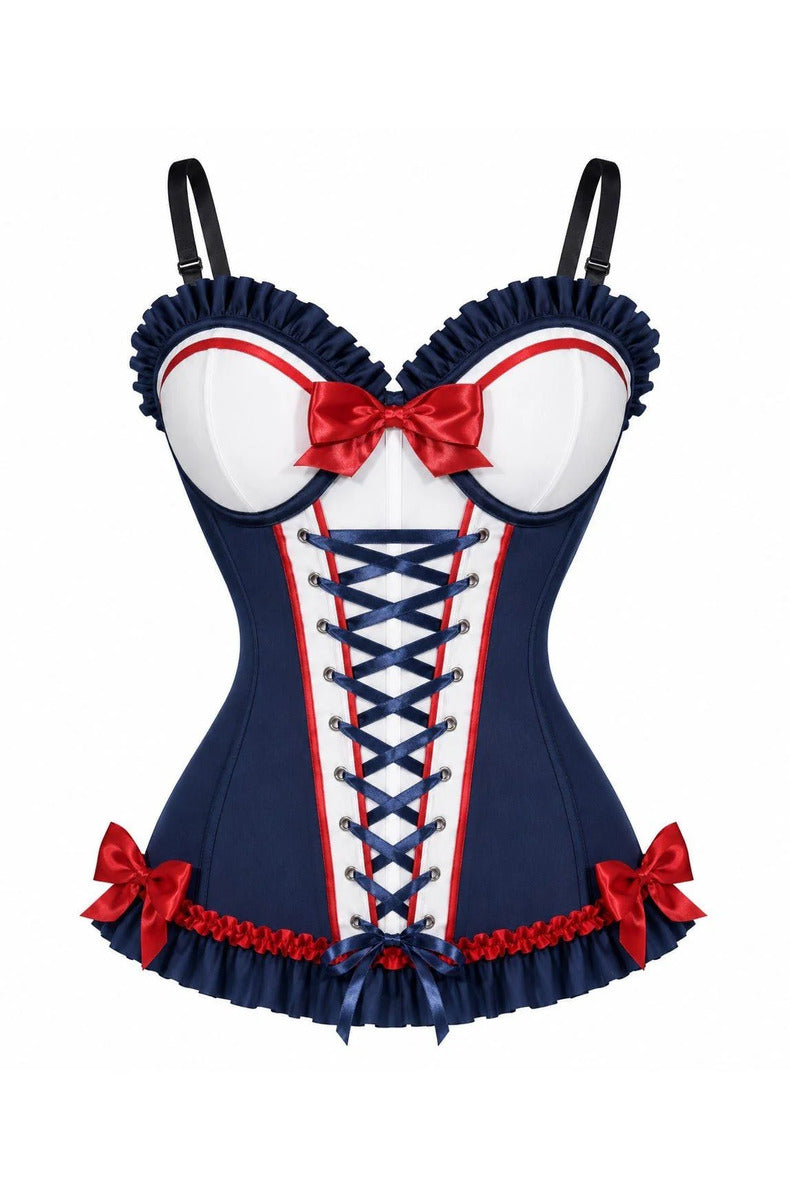
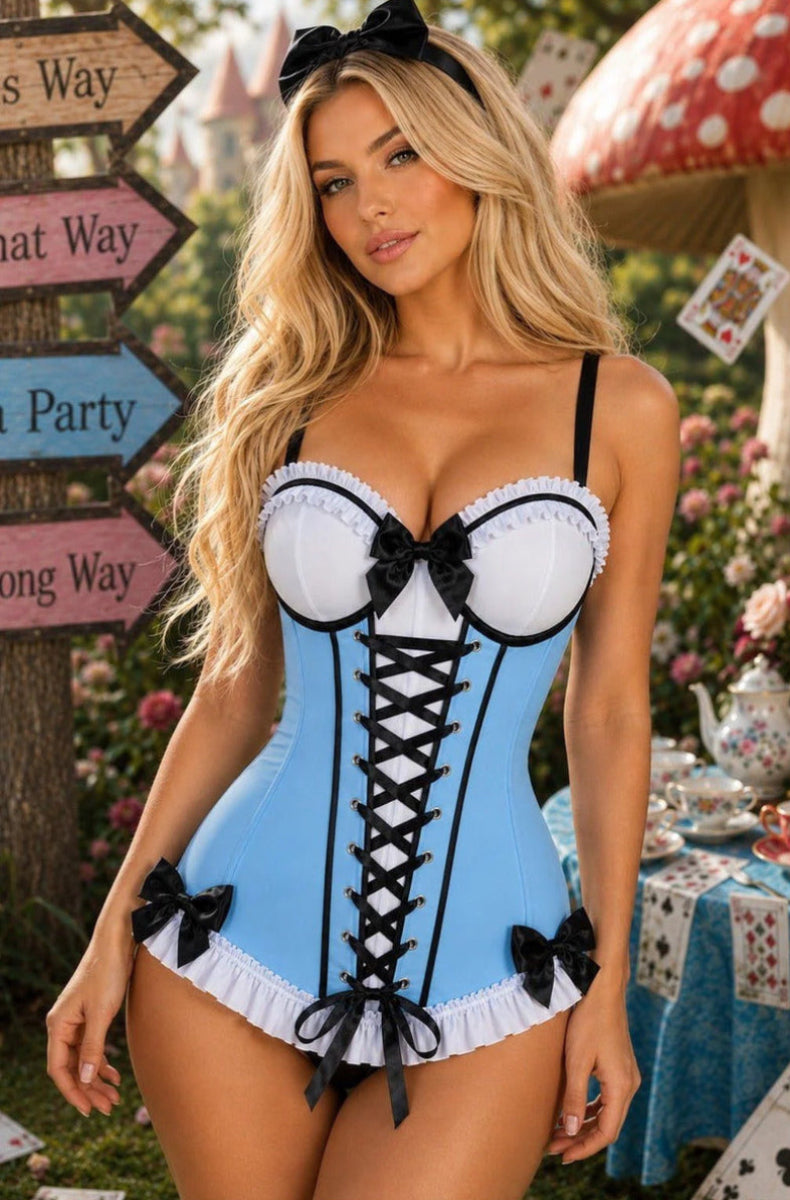
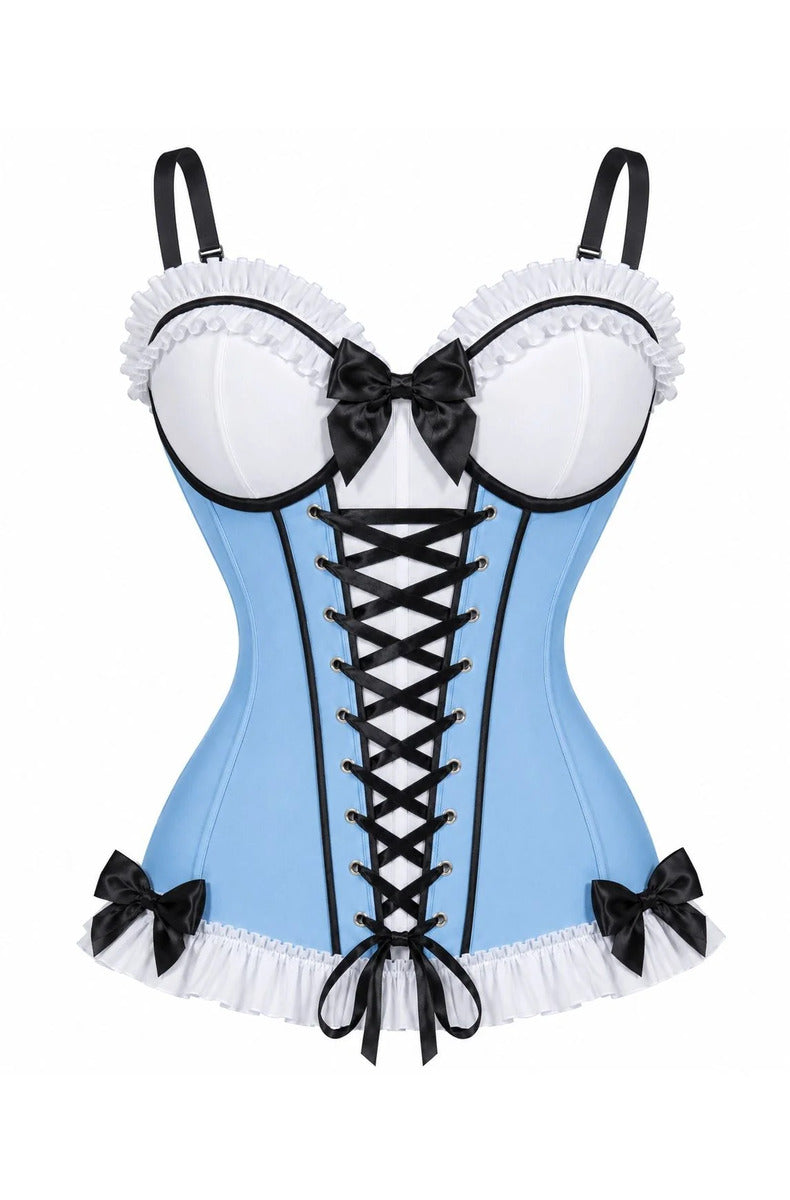
Corsets shape the waist with boning and lacing. Steel boned styles built for real cinching and waist training, plastic boned fashion corsets for the look, in overbust, underbust and waist cincher cuts.

Recently viewed

What is a corset?

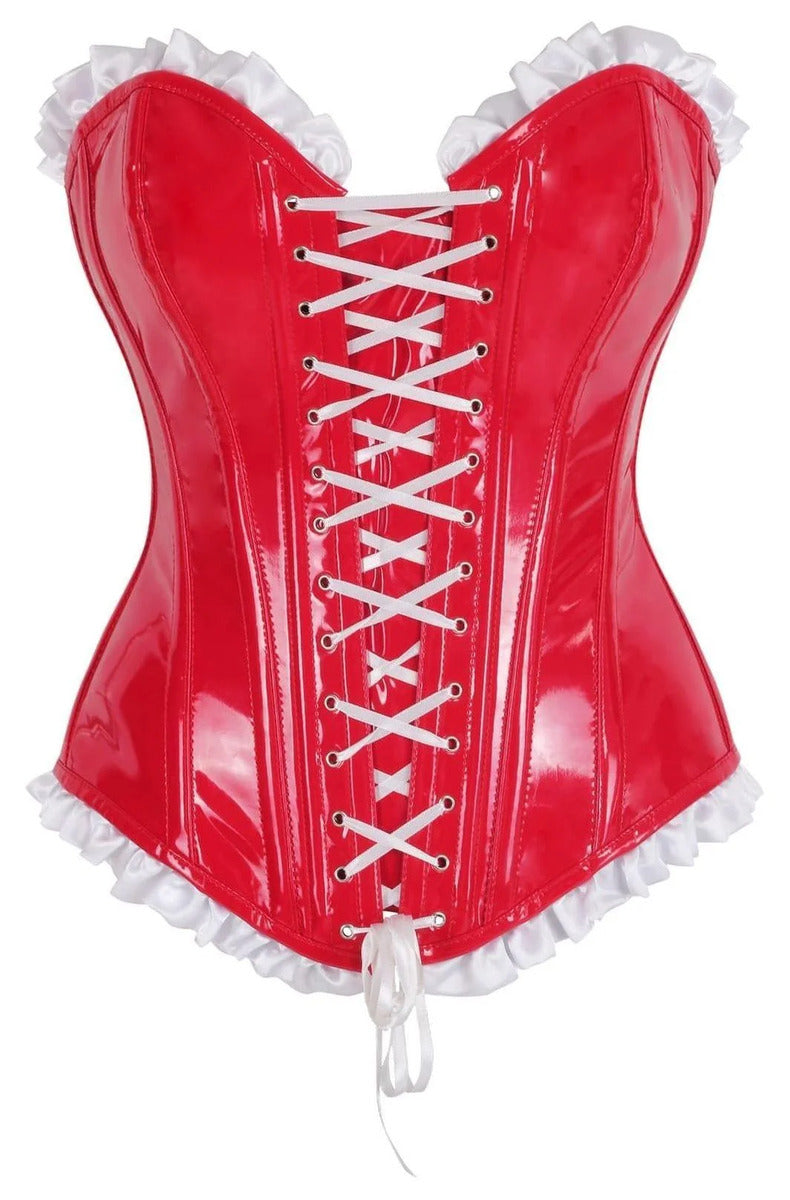
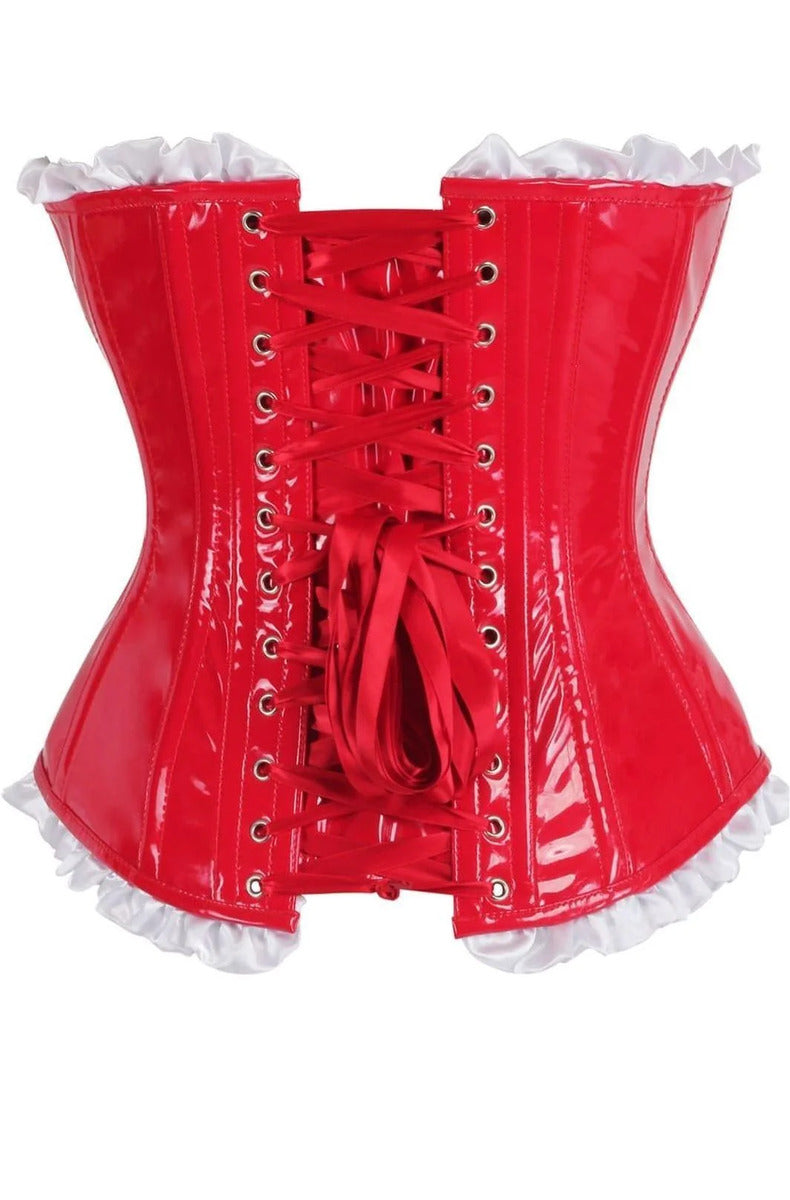
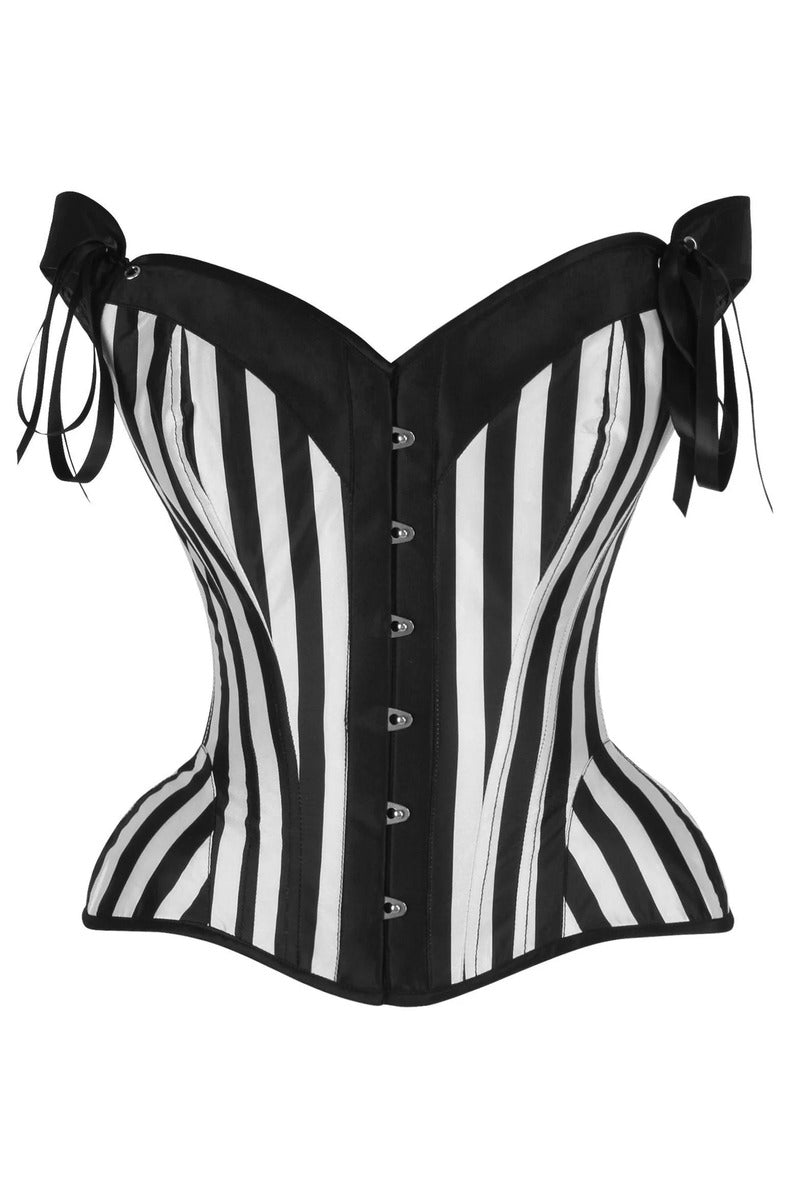
A corset laces closed at the back, and that lacing is the whole control. Pull it tighter and the waist comes in further, ease it off and it relaxes, which is why the same corset can sit differently at hour one and at hour four. Vertical boning runs through the fabric so the piece holds that shape instead of following yours. Some styles also have a busk at the front, a row of steel loops and pins, so you can get in and out without unlacing the whole thing every time.

What the bones are made of decides everything else. Steel boned corsets use flat and spiral steel that holds up to real tension, so they cinch by inches and stay put through a night of sitting, dancing and being tightened again. Plastic boned corsets use flexible stays instead. They give the lacing and the line without the compression, they cost less, and they will bend and buckle if you try to pull one down a size. Both are here and both are labeled, because buying the wrong kind for the job is the most common mistake in this category.

Three things worth knowing before the first one. Size by your waist measurement rather than by dress size or bra size, generally four to seven inches under your natural waist for steel boned. Break it in instead of yanking it closed on day one, which means a few short wears at a loose lacing while the fabric and the bones mold to you. And lacing yourself is harder than it looks, so a second pair of hands helps and a doorknob works when there is nobody around to pull.

Types of corsets

Grouped by cut and by construction, with the rest of each one next door.

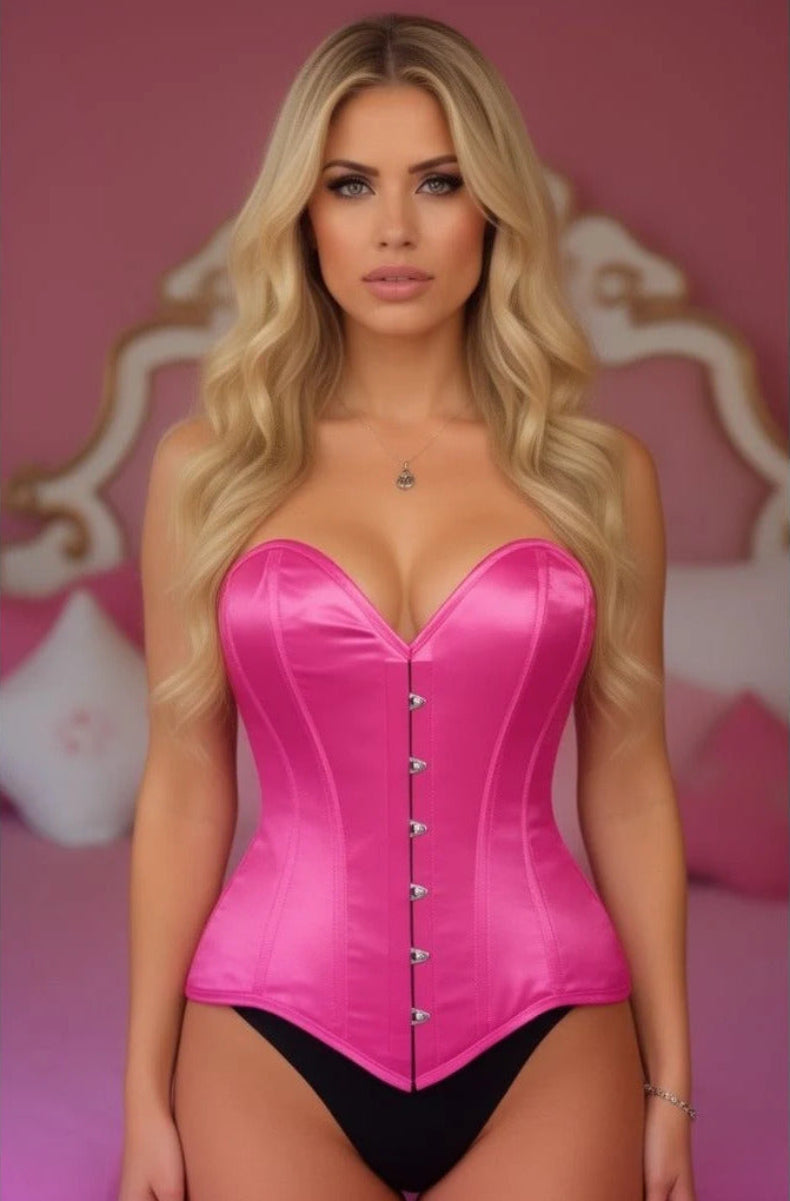
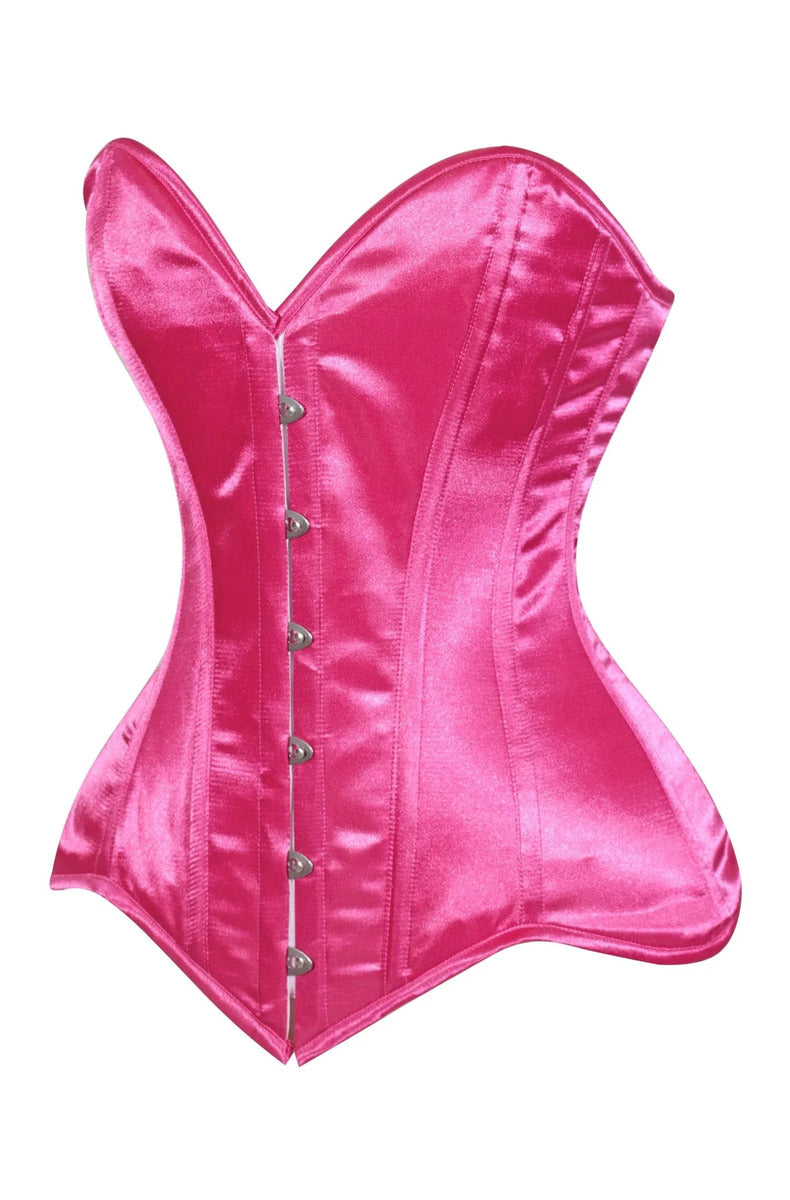
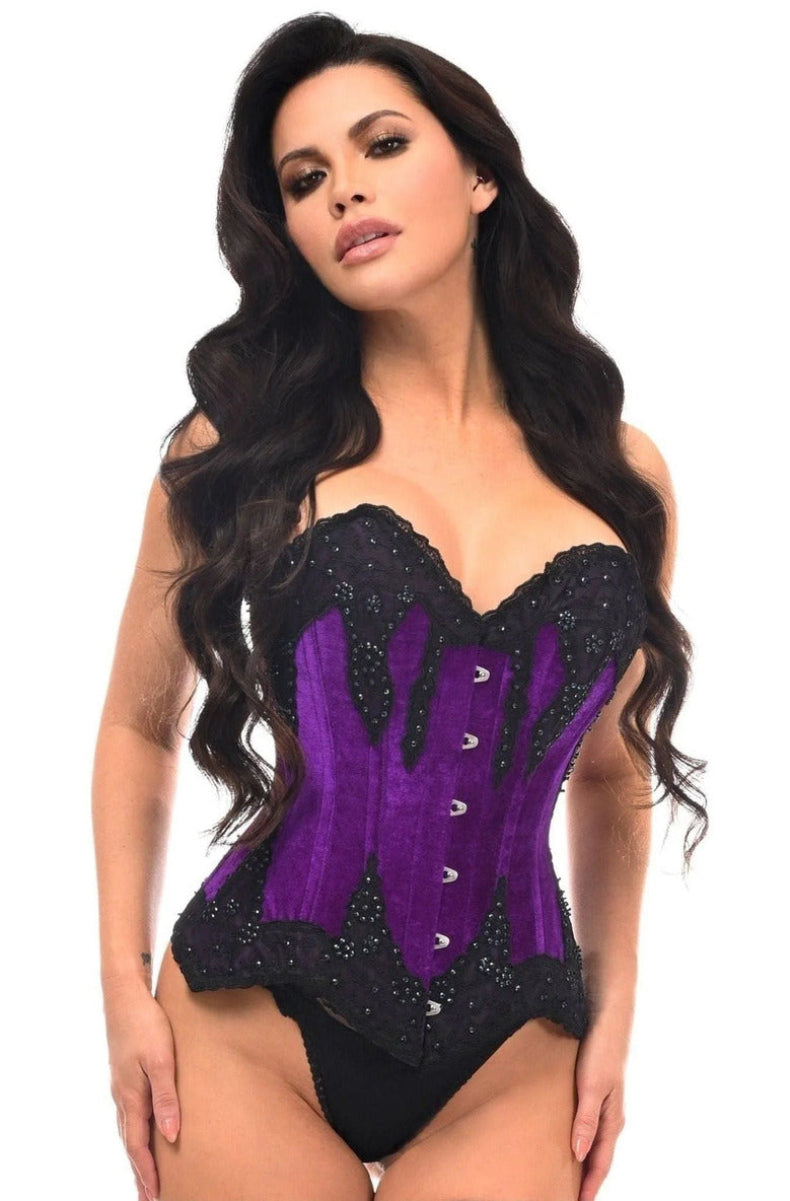
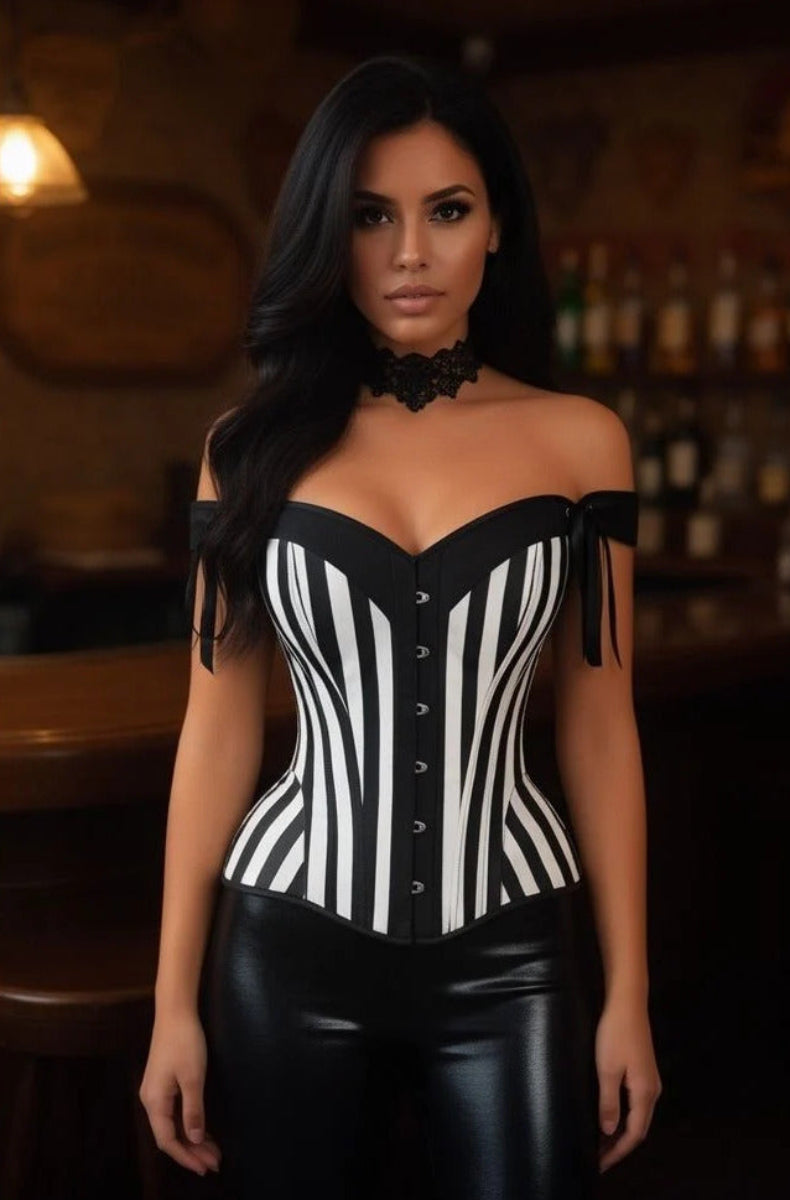
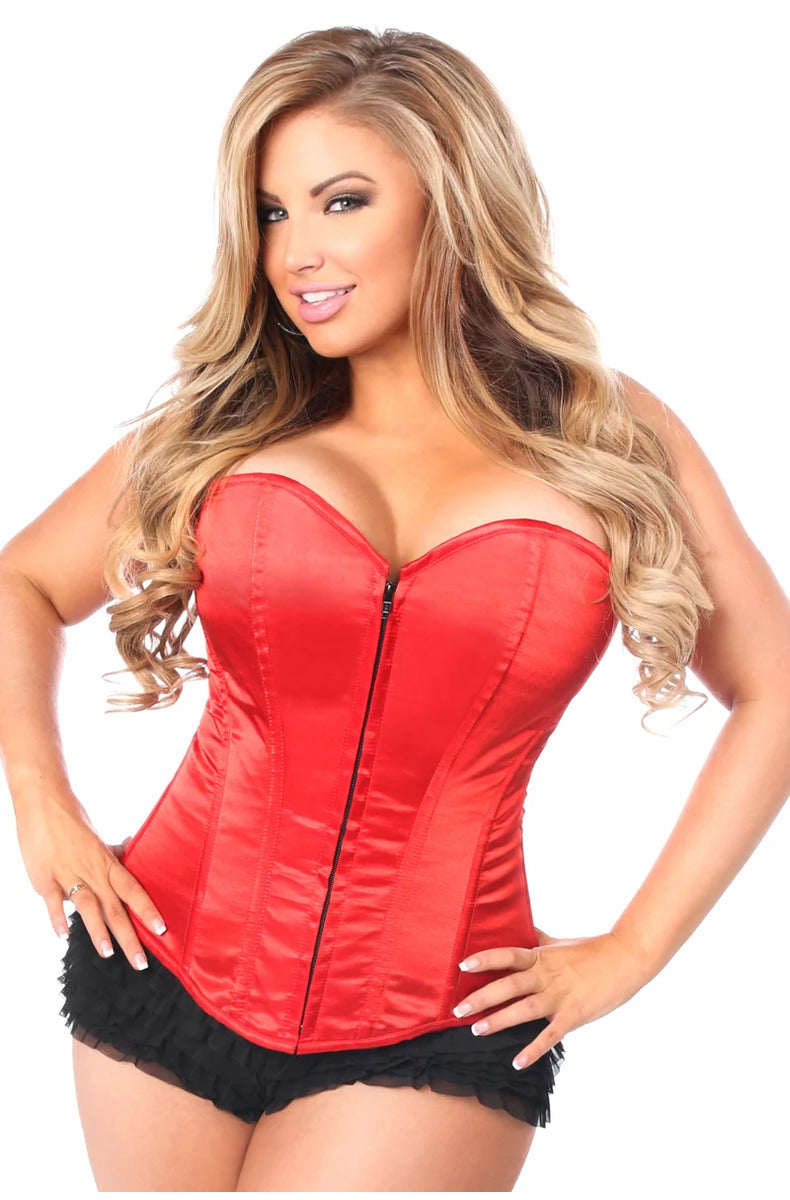
  • Overbust: covers the bust and the waist together, so nothing goes under it. The version that works as a top on its own and needs no bra.
  • Underbust: starts below the bust and leaves it to a bra or a top. Easier to fit, easier to wear all night, and the one that layers over clothes.
  • Waist cinchers: the shortest cut, sitting at the waist and nowhere else. Less coverage and less commitment, and the easiest way to find out whether you like the feeling.
  • Steel boned: flat and spiral steel, built for waist training and for actual reduction. Heavier, firmer and the ones that survive being laced tight repeatedly.
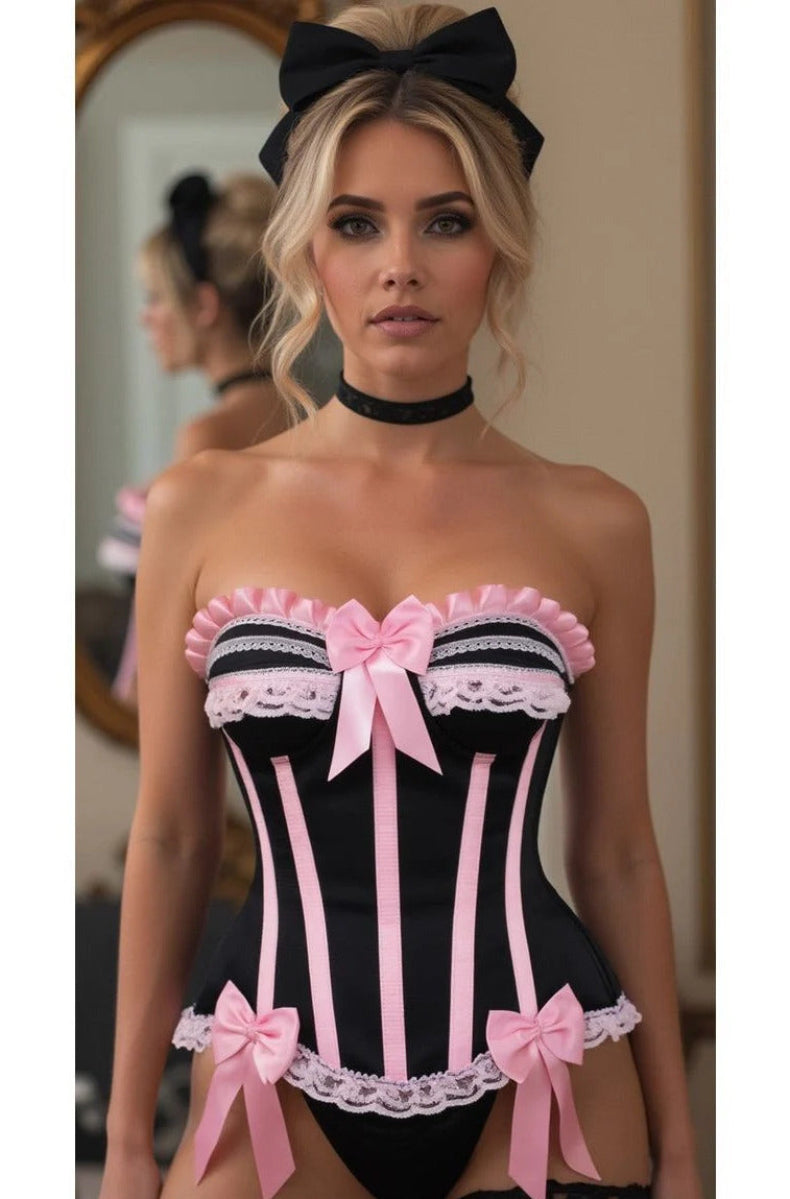
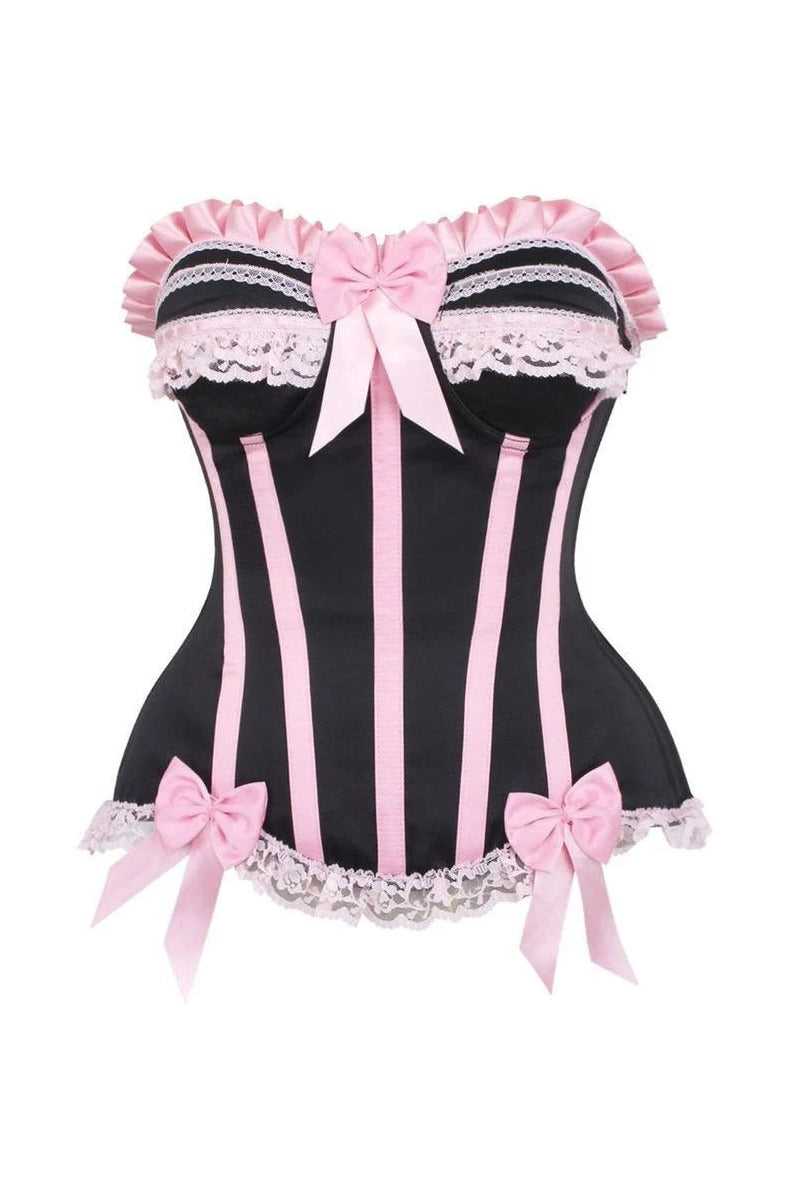
  • Fashion and plastic boned: the shape and the lacing without the squeeze. Lighter on the body and on the budget, and meant to be looked at rather than trained in.
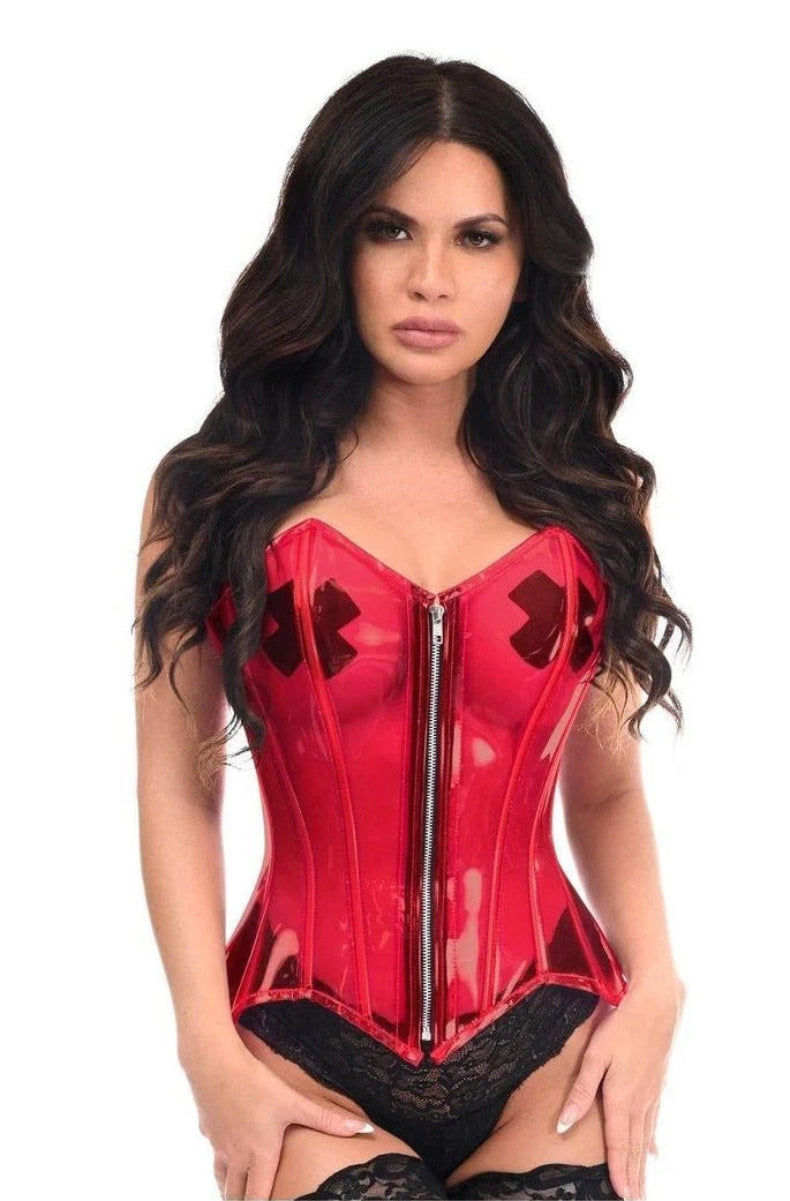
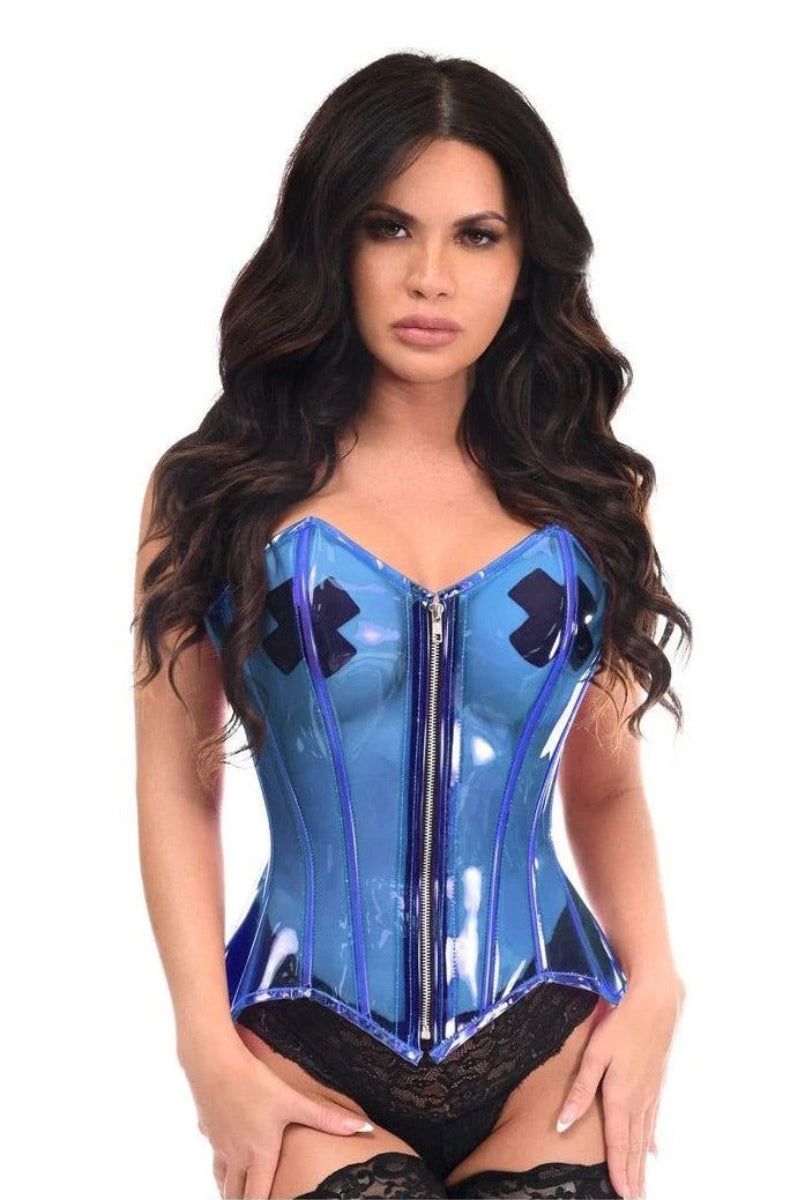
  • Fabrics: brocade, satin, velvet, mesh, denim, faux leather and holographic vinyl. The fabric changes the room it belongs in more than it changes the fit.
  • Bustiers: shaping that stops at the bust and the ribs, with light boning and hook and eye closures. Softer, faster to get into, and not built to cinch.
  • Teddies: one piece lingerie with the shaping built into the cut rather than into boning. Where to go when a corset is more structure than the night calls for.
  • Garter belts: what most underbust styles get worn with, and what clips to the stockings underneath.
  • Dresses and rompers: where corset tops get worn over and under, for anyone shopping the outfit rather than the piece.
  • Festival and rave: the vinyl and holographic end of this page belongs to that world too.
  • Plus size lingerie: extended sizing, on its own page so the fits are easier to find.
  • All lingerie: the full range, if boning is not what you are after.

How to choose the right one

If you want your waist to actually come in: steel boned, not plastic. Steel is the only thing that takes the tension without warping. Plastic stays give you the lacing and the silhouette, and they give out the moment you ask for real reduction.

On sizing: measure your natural waist and go four to seven inches under it. Dress size and bra size do not translate to corset sizing. If you are between sizes or new to this, take the smaller reduction, because a corset you can wear for four hours beats one you take off after twenty minutes.

If you have never worn one: start with an underbust or a waist cincher. Fewer measurements have to be right, they are far more forgiving across bust sizes, and you can put one on over a bra you already own and like.

If it is going to be the whole top: overbust. It covers the bust and the waist in one piece, so there is nothing to hide underneath and no strap to work around. Check the bust measurement as carefully as the waist, because that is the fit that goes wrong.

On breaking it in: loose lacing, short wears, then tighten. Fabric and bones mold to you over a few sessions. A new corset yanked shut on the first night is uncomfortable, and it damages the piece at the seams and the grommets.

On lacing and care: get help, and never machine wash it. Laces pull evenly from the middle out, which is difficult to do behind your own back. Spot clean, air it out between wears and hang or lay it flat. See all lingerie for the rest of the range.