Bondage Tape & Rope
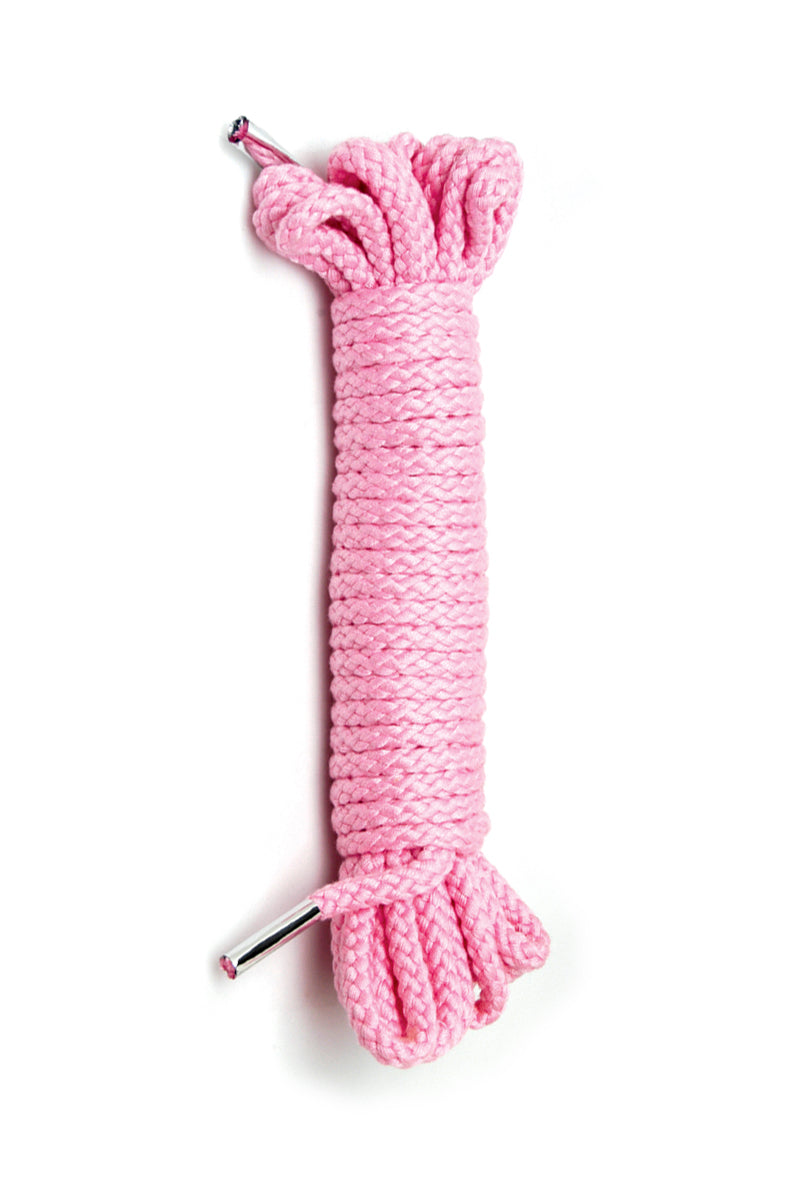
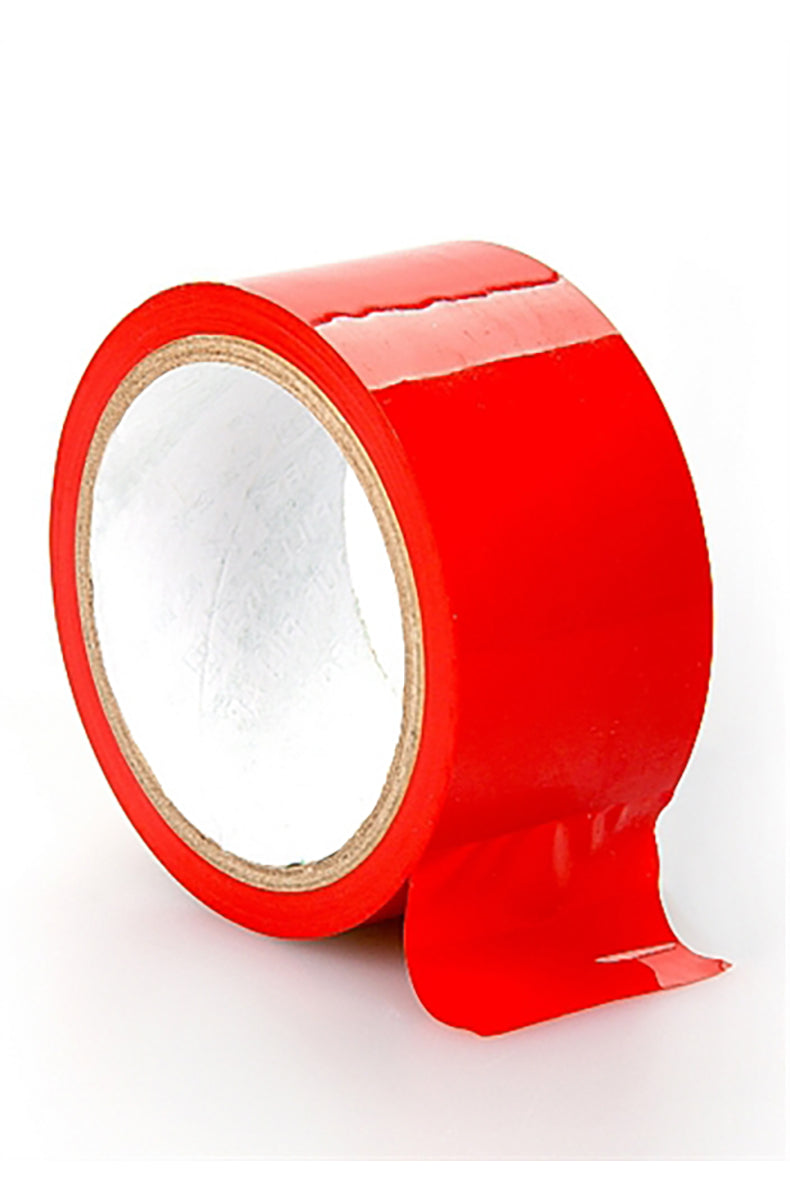
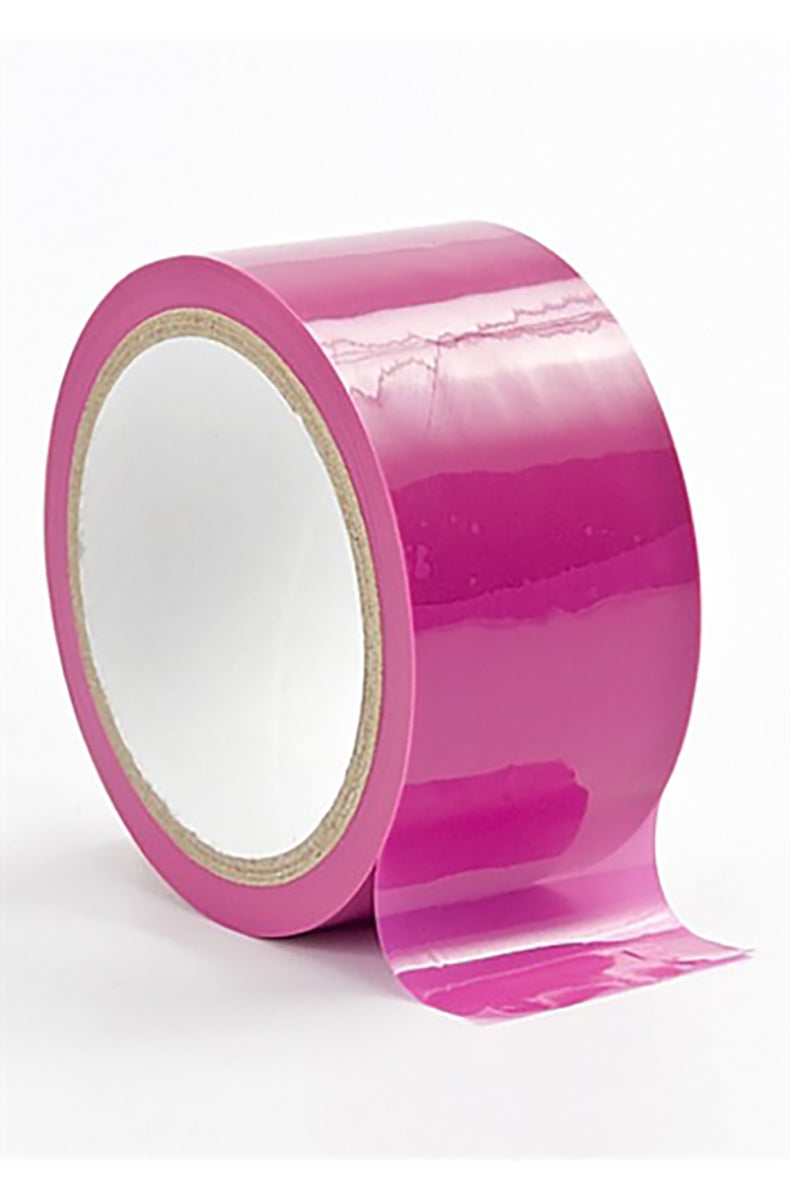
Bondage tape and rope are the two starting points for restraint play. Tape sticks only to itself and comes off in seconds, while rope gives you more control, more structure, and the option of a shibari-inspired tie.
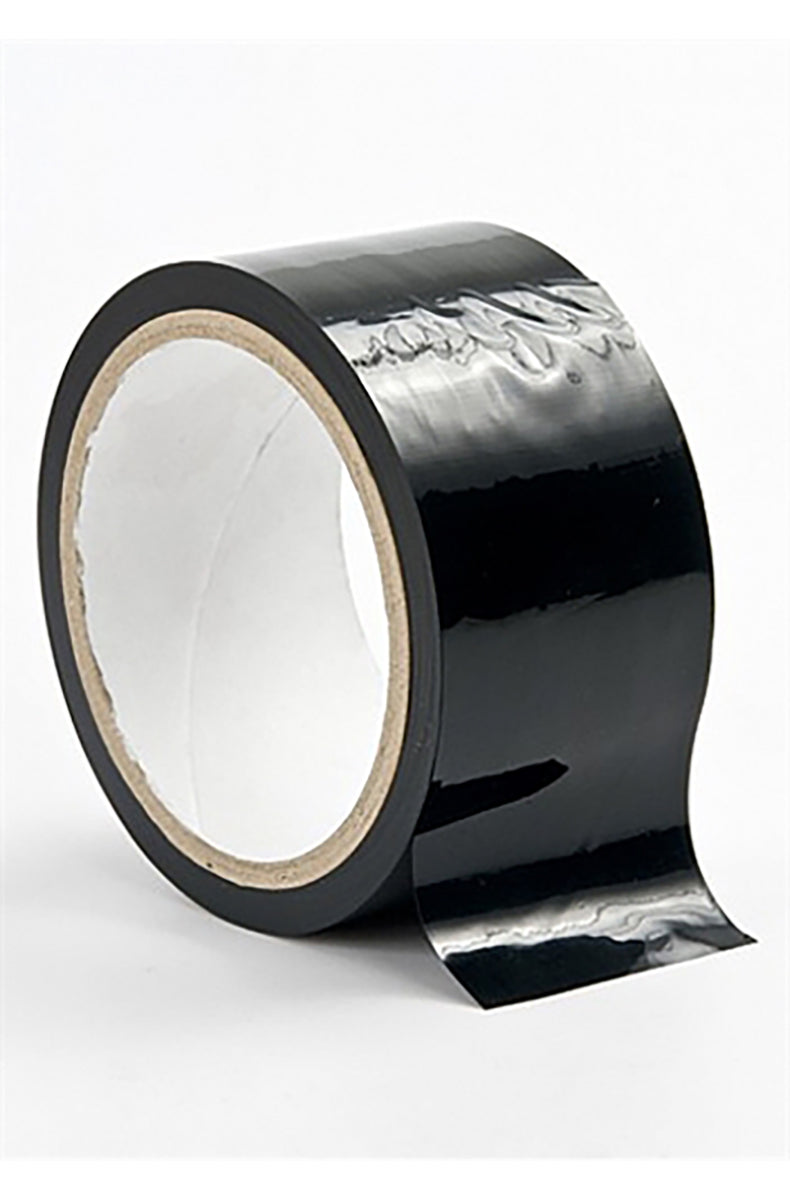
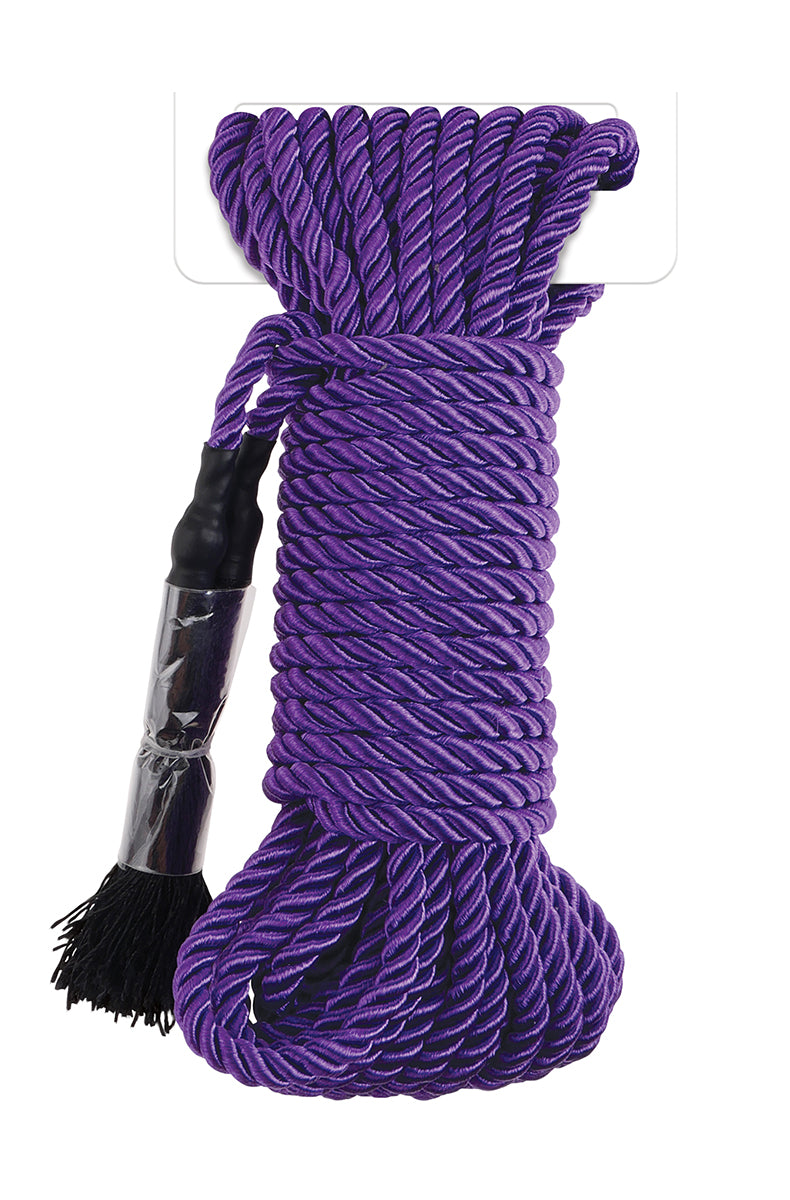
A bondage restraint is anything used to hold someone still by consent, and in this category that means two materials that behave nothing alike. Bondage tape is a PVC wrap that clings to itself and not to skin or hair, so it goes on fast and comes off without scissors. Rope is what you reach for when you want structure, tension, and something that holds a shape.
The short answer to which one to start with is tape. It is close to impossible to get wrong, it needs no knots, and unwrapping is instant if anyone wants out. Rope has a real learning curve, and a badly tied rope is the one that causes injuries.
The part people do not expect is that tape is effectively single use. It loses its grip once it has been stretched and unwrapped, so a roll is a few scenes rather than a permanent purchase. Rope costs more up front and lasts for years.
Four things sit on this page and they are not interchangeable:
If you would rather have the whole kit than one material, start with a bondage beginner set. Rope and tape pair most often with cuffs, blindfolds and a harness, and the full category sits under Bondage.
If you have never restrained anyone before: start with tape, and read the comparison first. Bondage tape vs rope walks through what each one is actually like to use, which is the honest version of this decision.
If you want to learn to tie: rope, and start with a harness. Shibari for beginners takes you through a first rope harness knot by knot, which is a better use of your first hour than pausing a video every ten seconds.
On safety, and this part is not optional: keep safety scissors within reach of the person tied. Avoid the neck entirely. Never cut off circulation, and stop the moment there is numbness, tingling or a color change. Nothing on this page is worth an injury.
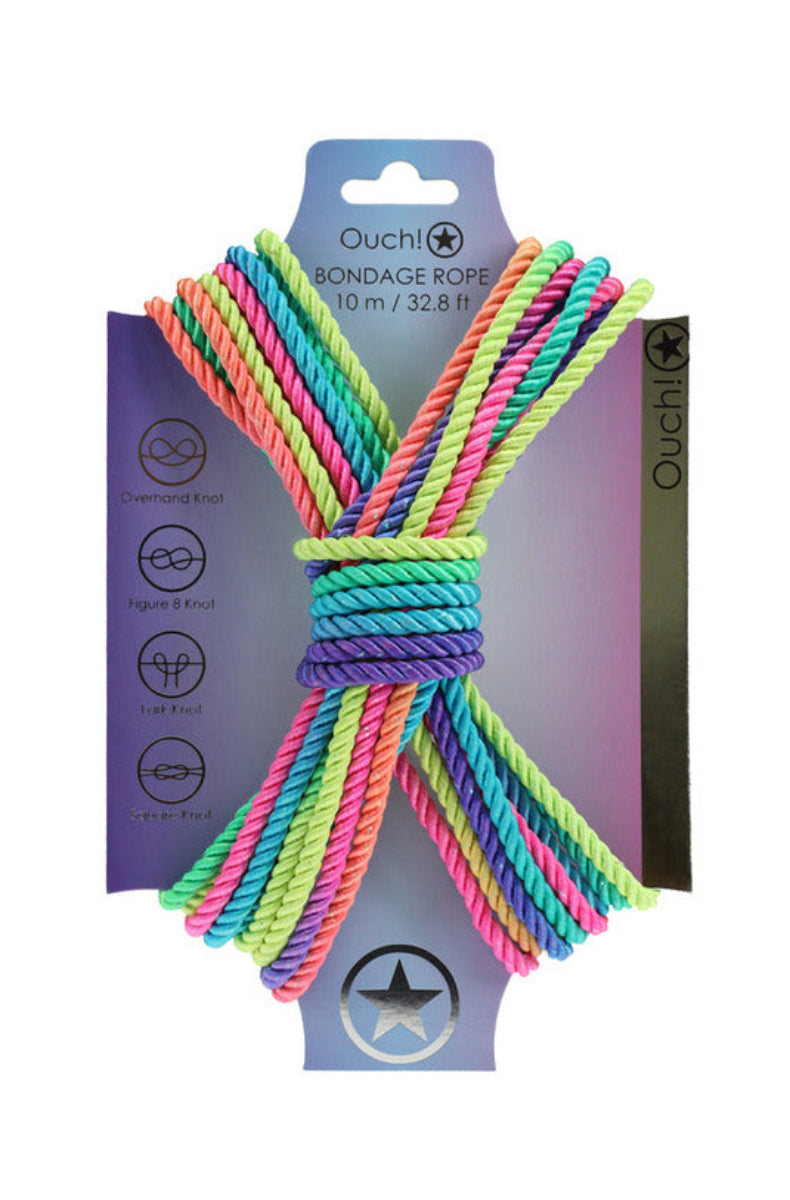
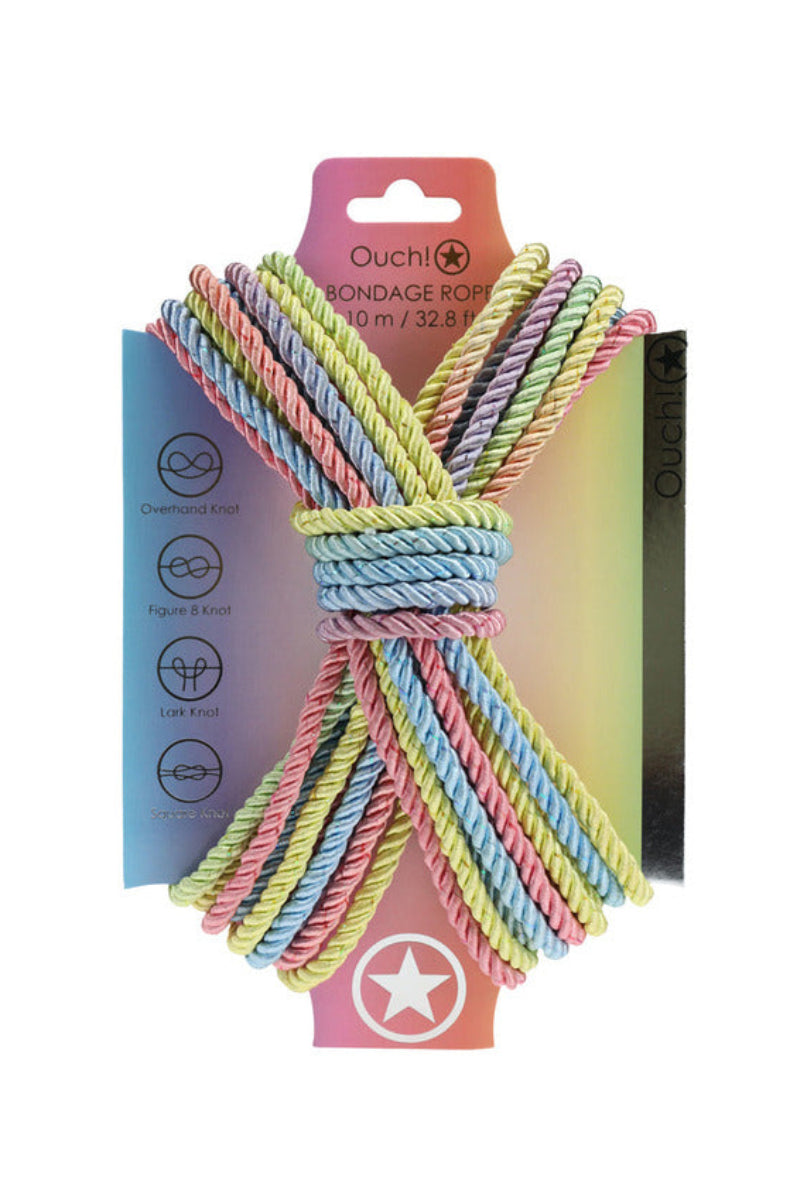
If you are picking a length: the 10 meter ropes are a good place to learn. Long enough for a chest or hip harness, short enough that you are not fighting the tail the whole time.
If it has to be discreet: tape wins and it is not close. A roll reads as electrical tape in a drawer. Rope does not read as anything except rope.