Self Defense

Self defense tools for everyday carry, chosen for women who want something on them that does not look like a weapon. Right now that means hidden blade combs and spring assist pocket knives, all under 3.5 inches and all easy to carry.

Recently viewed

What is a self defense tool?

A self defense tool is something small you carry on purpose, so that if a situation goes wrong you are not relying on whatever happens to be in your hand. That is the whole definition. It is not about being able to fight. It is about not being empty handed.

The category matters because the alternative most people pick is nothing. They mean to buy something, they read about blade steel and stopping power for an hour, and then they keep walking to the car with their keys between their fingers. A tool you actually have on you beats a better tool you left at home, every time.

Here is the part most shoppers do not know: what you are allowed to carry is regulated much more tightly by category than by how dangerous the thing is. In New York, pepper spray can only be sold by licensed firearms dealers and pharmacists and cannot be shipped into the state at all, while a folding pocket knife is ordinary retail. Disguised blades are treated as their own category in a lot of places and are restricted where a plain folder is not. So the legal question is not "how serious is this," it is "what is this classified as where I live." Check that before you buy, not after.

Types of self defense

Everything in this collection right now is a blade, in two formats that solve different problems.

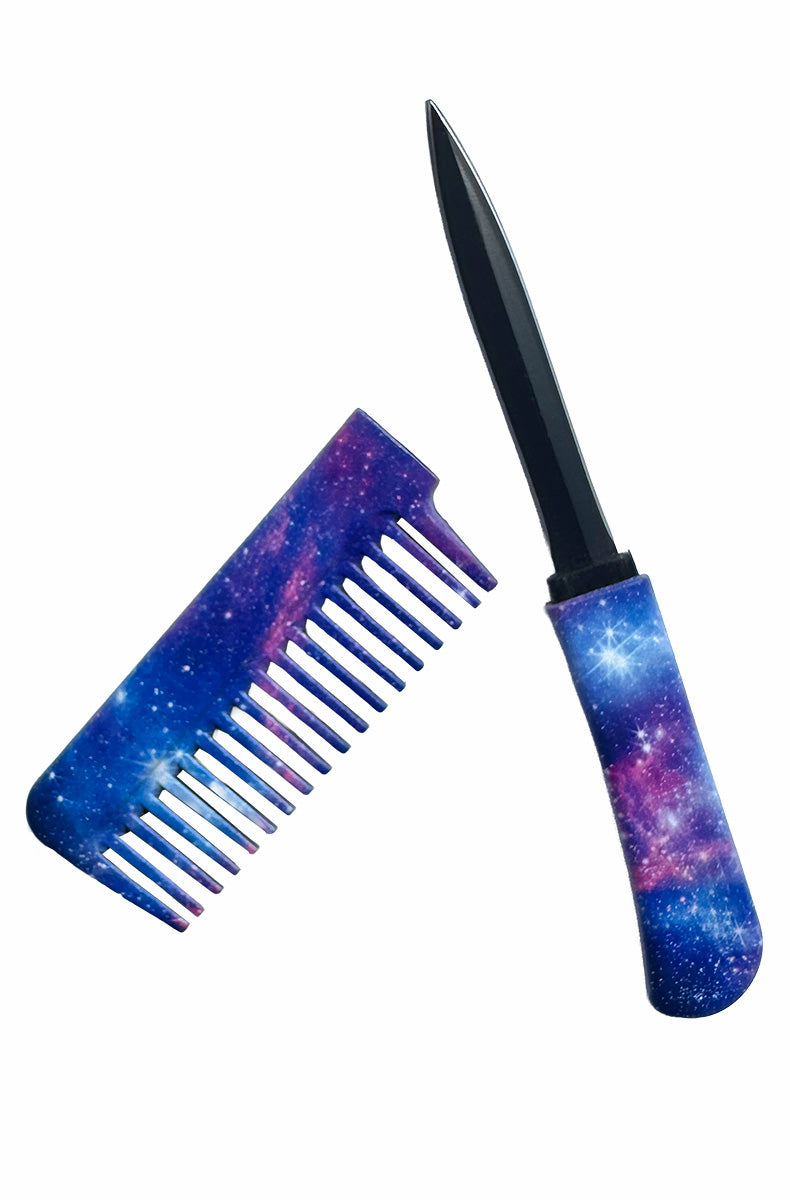
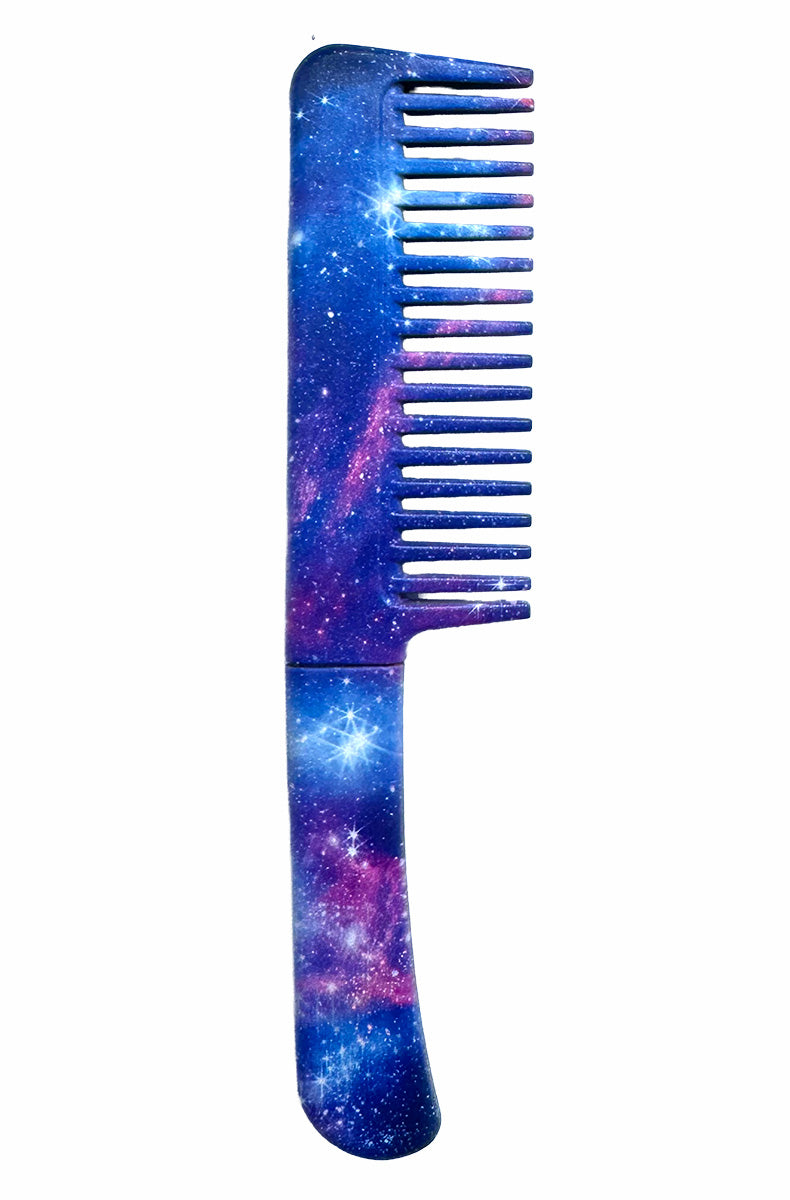
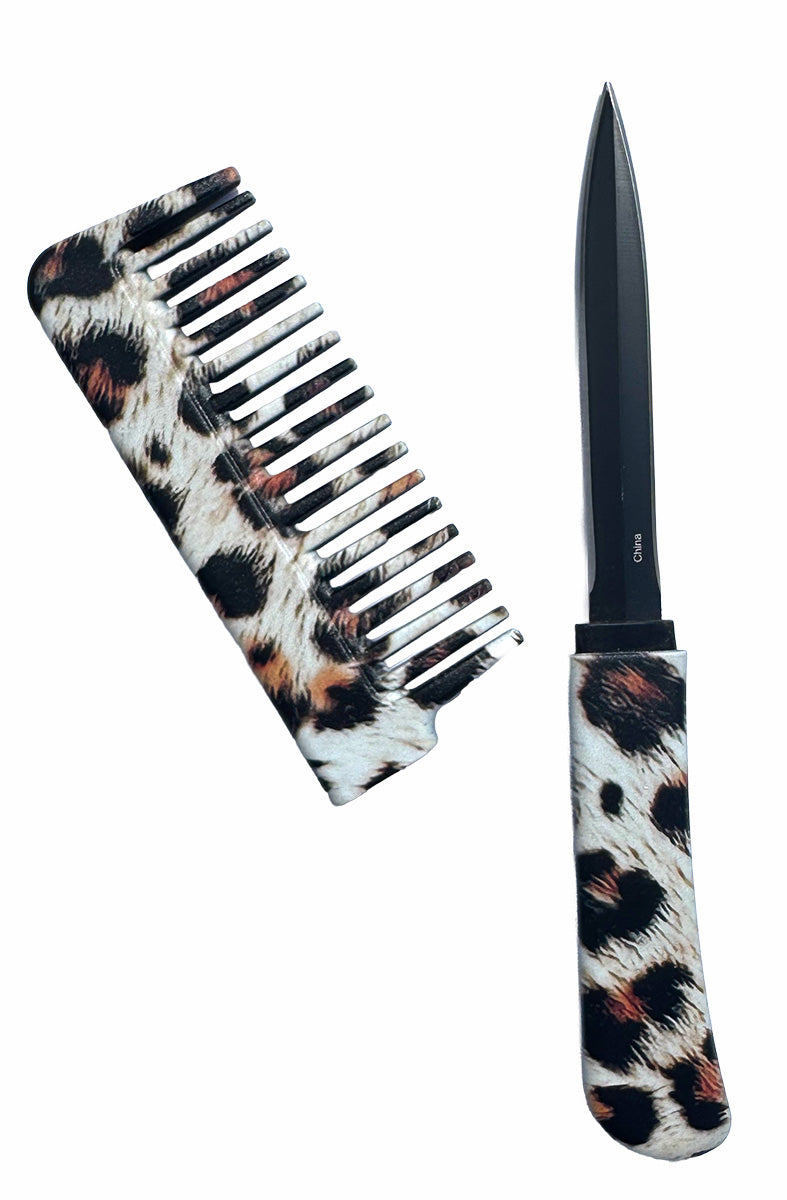
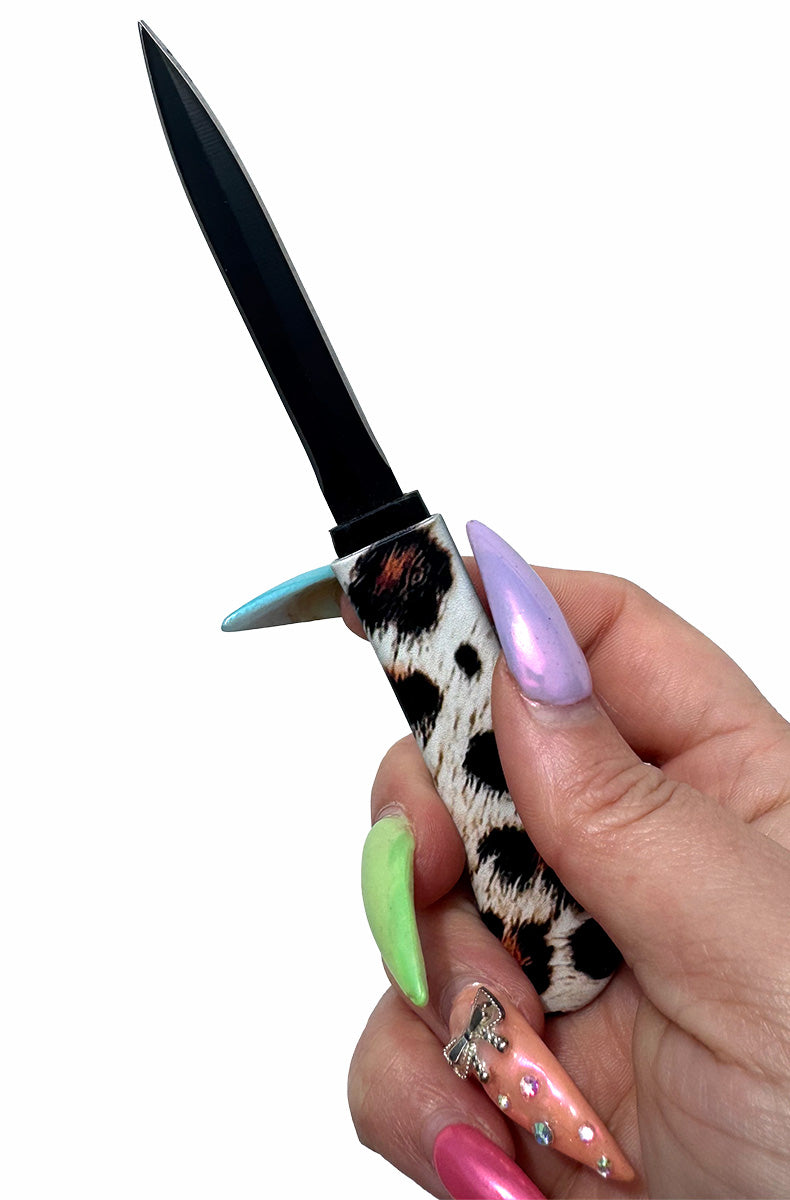
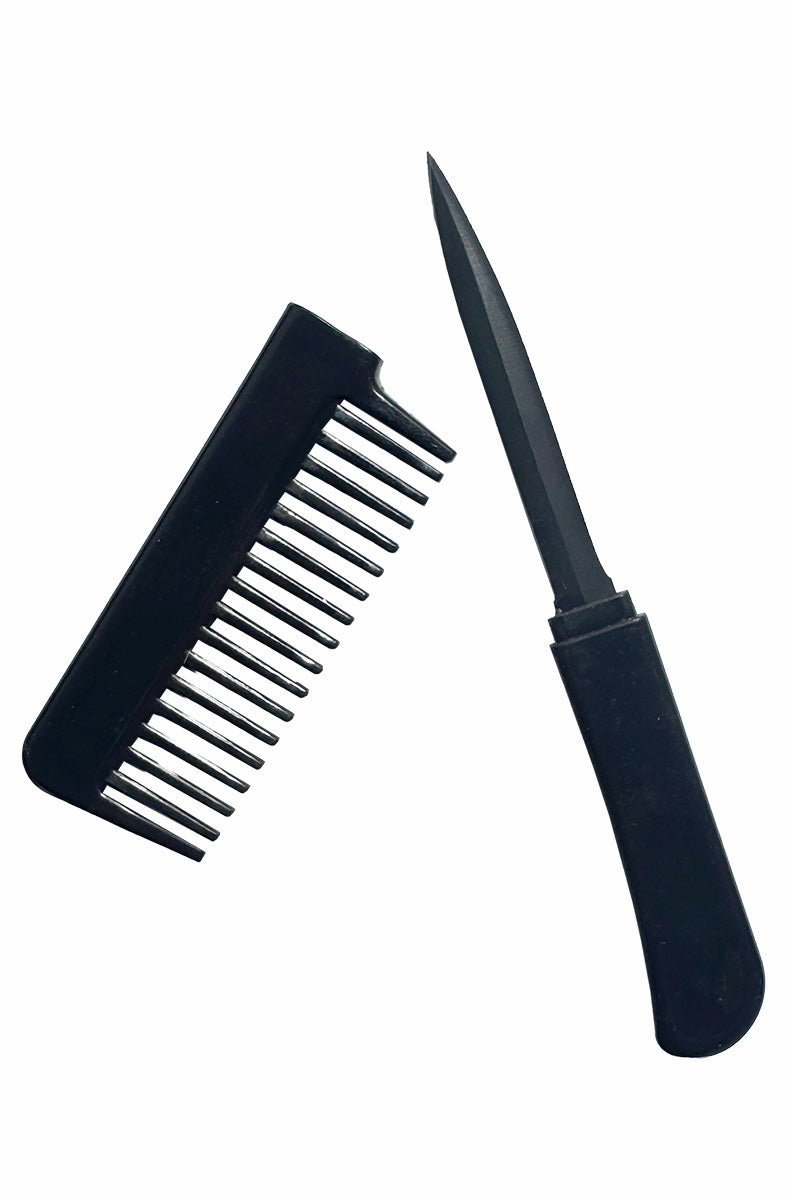
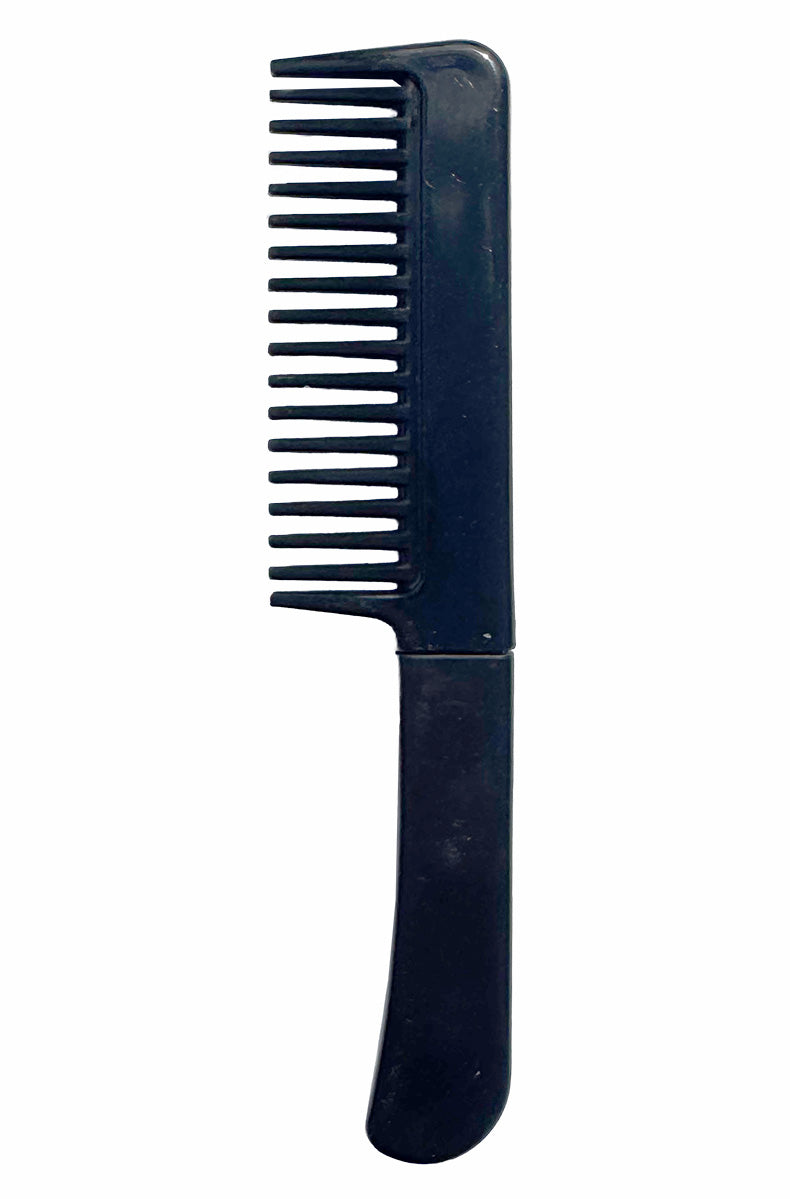
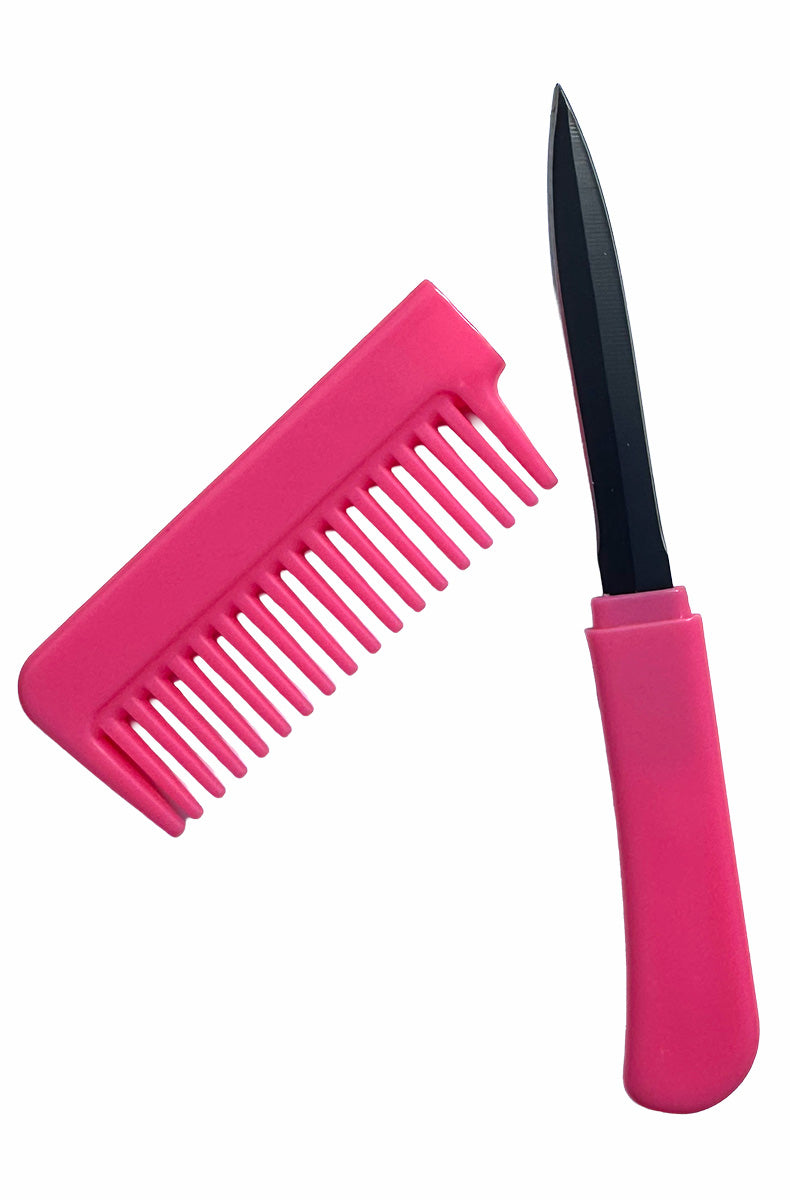
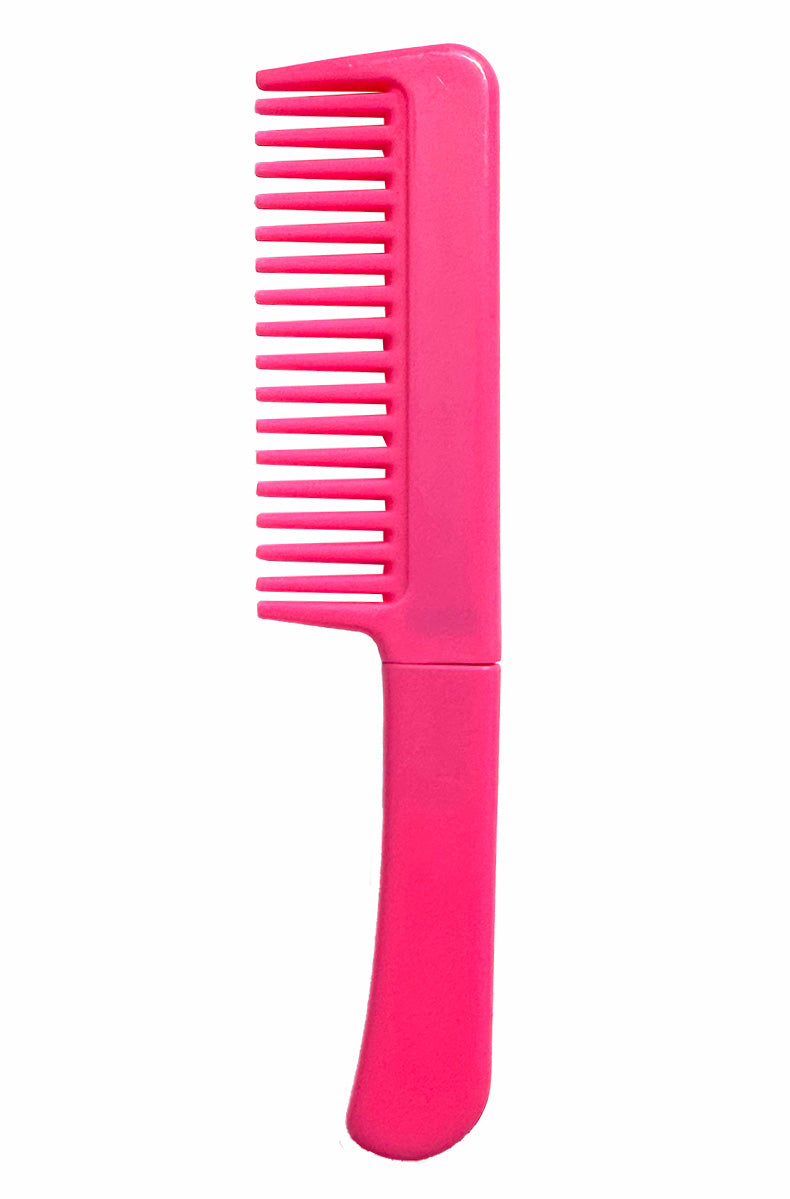
  • Hidden blade combs: a working 6.5 inch comb with a 3 inch single edged blade in the handle. The comb body is the sheath, so there is no button, spring or lock to work under stress. This is the discreet option, the one that sits in a makeup bag or a back pocket and reads as a hair accessory. Available in hot pink, black, leopard print and galaxy print.
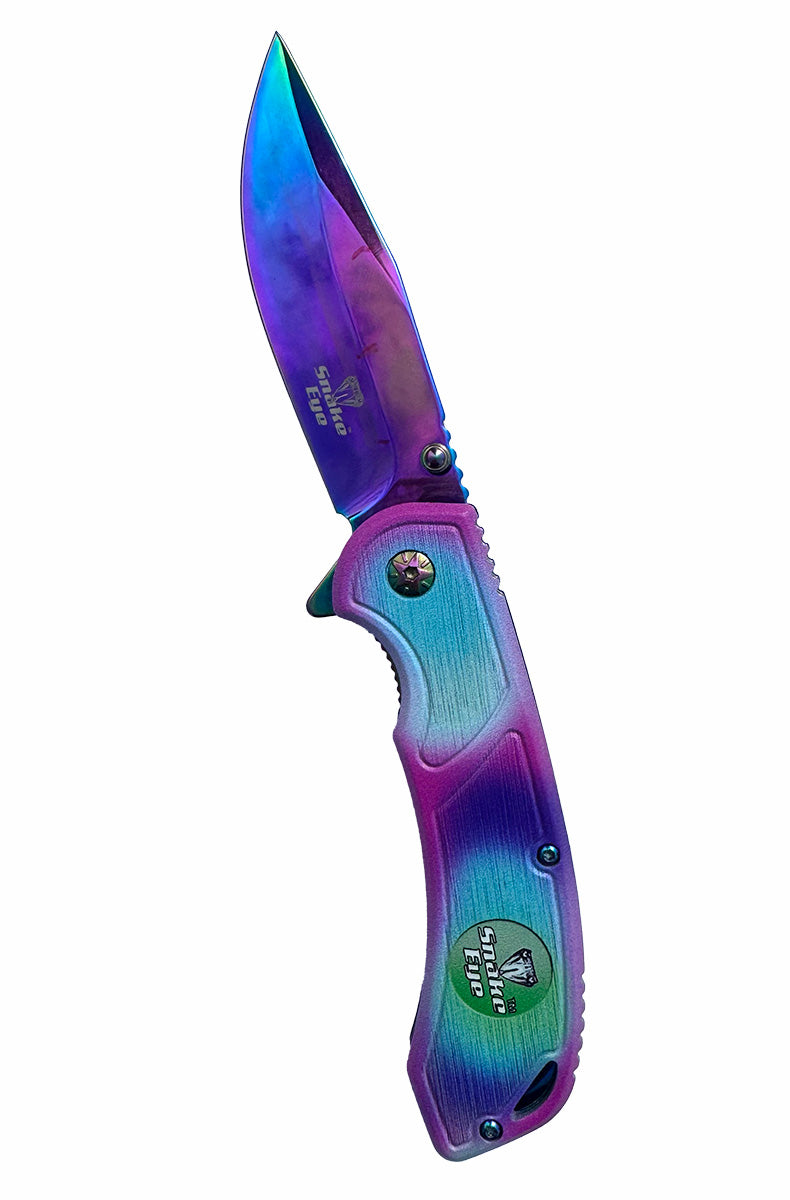
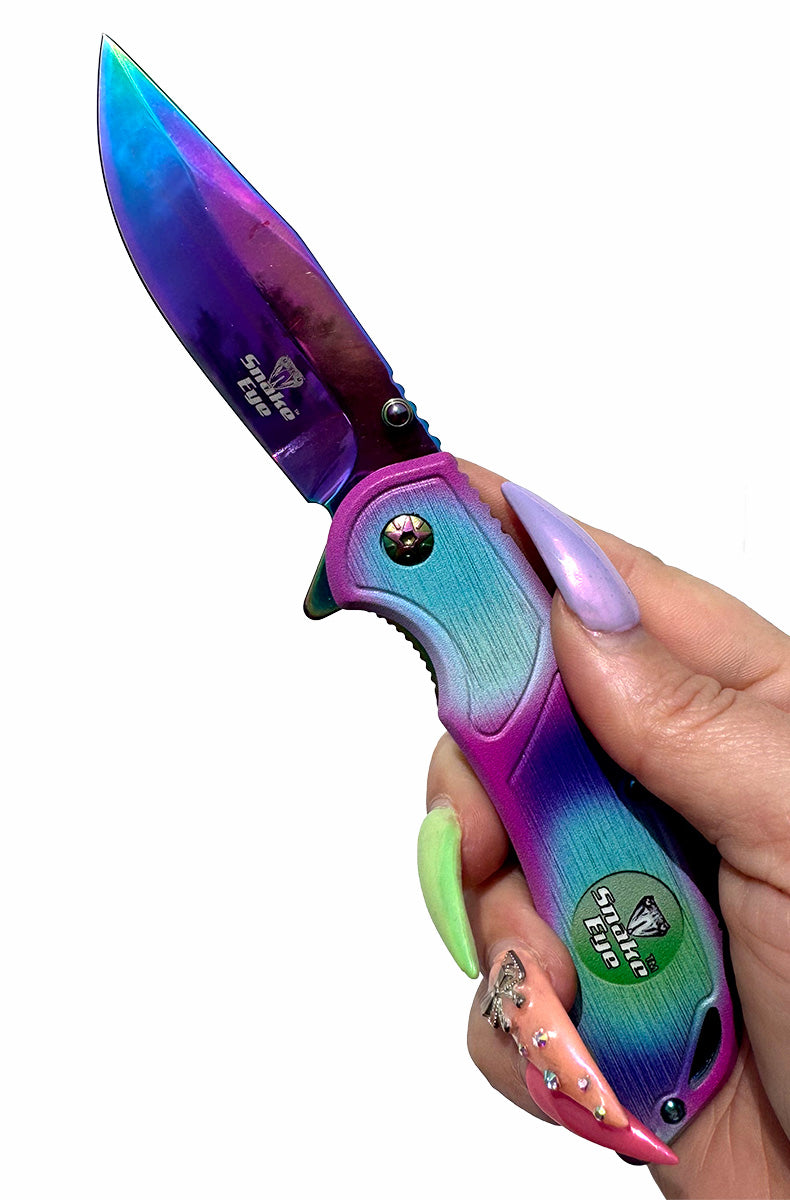
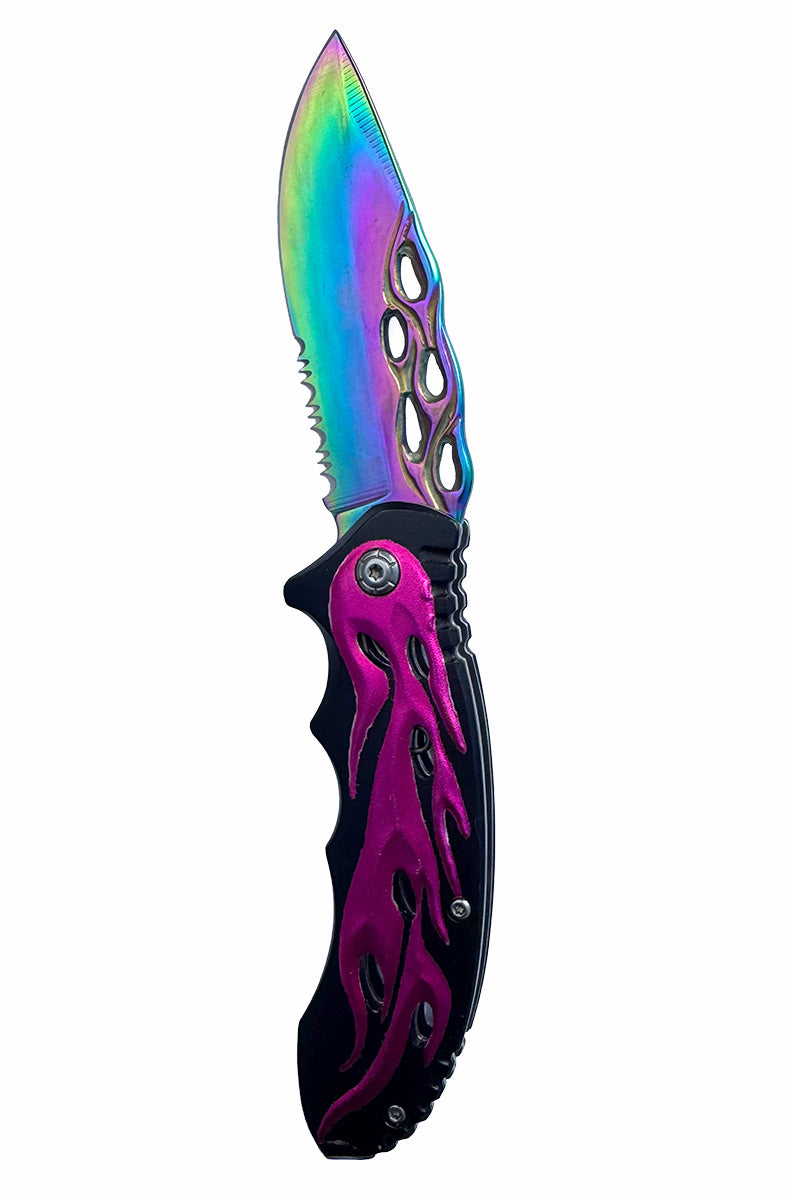
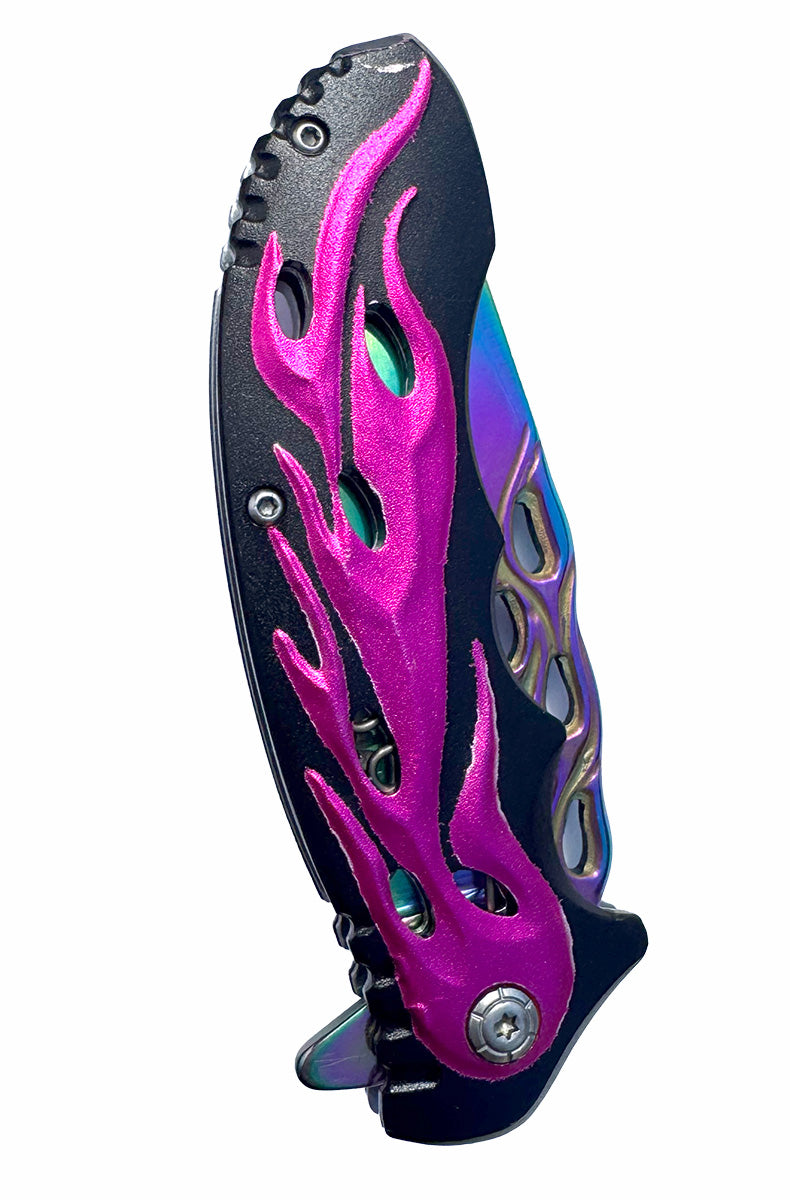
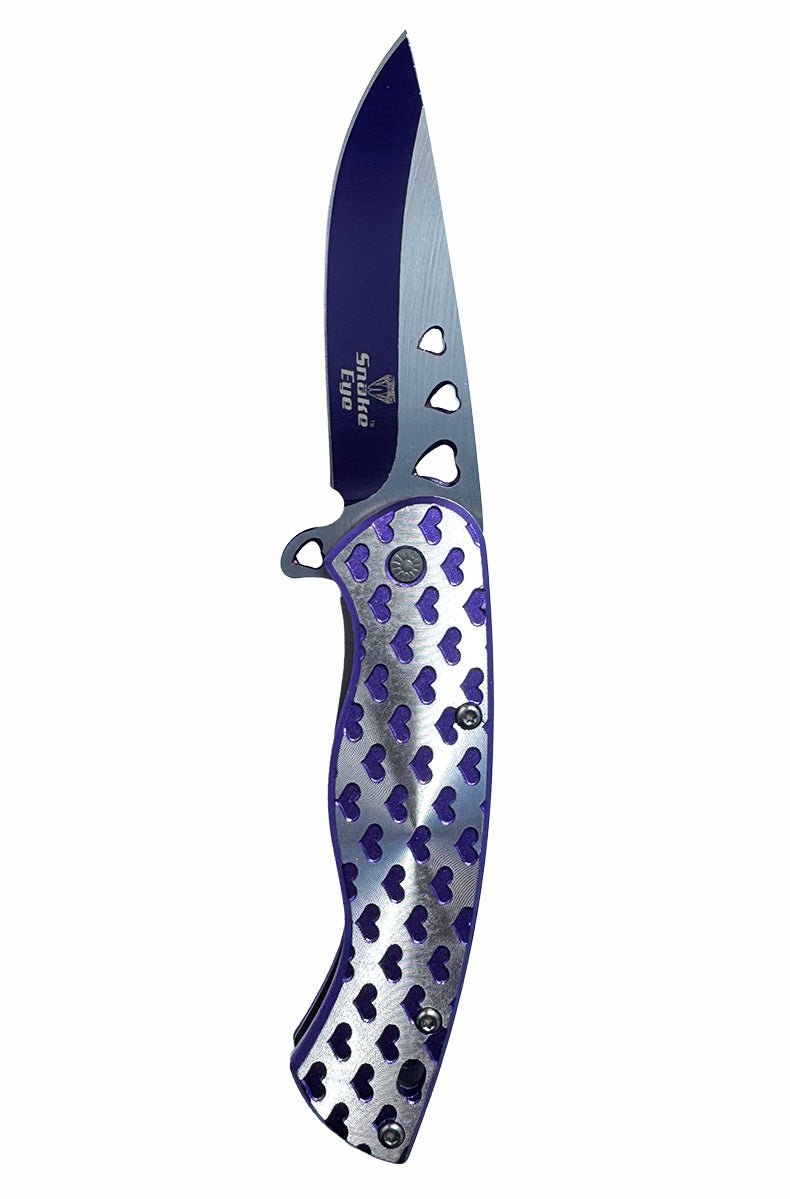
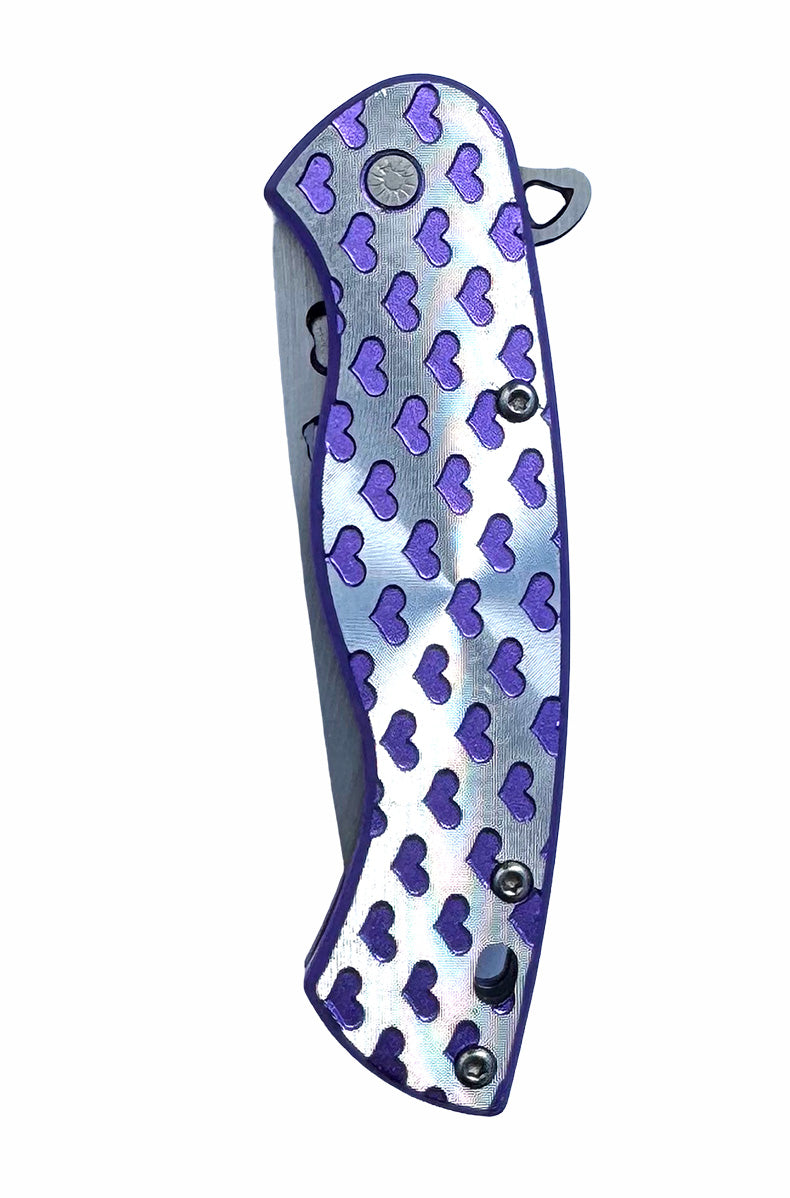
  • Spring assist pocket knives: folding knives with a 3 to 3.5 inch blade that opens one handed off a thumb stud. These do not hide what they are, but they are faster, they lock open, and they double as the knife you actually use for boxes, tags and packaging. All three have pocket clips.

Two things you will not find here, and the reason why. Pepper spray is one of the most restricted self defense categories in New York and cannot be sold at general retail or shipped into the state under current law. Stun guns and tasers sit in an unresolved place: a federal court struck down New York's ban in 2019, but the statute was never repealed and state courts have not treated that ruling as binding. Rather than sell you something you may not be able to legally keep, we stay in the lane that is clear.

How to choose the right one

If you have never carried anything before: start with a comb. The barrier for most people is not the blade, it is the self consciousness of owning a weapon and the worry about what happens if someone sees it in your bag. A comb removes both of those, which means it is the one that actually gets carried.

If you want it to earn its place in your pocket every day: get a spring assist folder. You will use it constantly for ordinary things, and a tool you open twice a week is a tool your hands already know how to open. That familiarity is worth more than any spec on the page.

If your bag is one other people go into, at work or at home: black, and nothing else. The pink and the galaxy print are lovely and they are also memorable. Black looks like a comb that has been in the bottom of your bag for a year, which is exactly the point.

On materials: the blades are stainless steel and the difference between these is the handle, not the edge. Comb bodies are plastic, which is why they are light enough to forget about. The folders are metal, heavier in the hand, and better balanced. Keep any of them dry. Moisture is what dulls and marks a blade over time, not use.

On the law, and this is the one to actually read: blade rules are set state by state and city by city, and disguised knives are frequently singled out. Some places restrict them, some ban them outright, and a length that is fine in one county is not fine in the next one. Check where you live and anywhere you travel, and check the policy of any workplace or venue you bring it into. This is on you, and it is not a formality.

The honest downside: none of this works if it is not reachable. A knife at the bottom of a tote is decoration. Whichever one you pick, decide now where it lives, an outside pocket, a boot, a jacket, and put it in the same place every time. That decision matters more than which model you chose.